

Blog
7 Essential Calf Support Options for Runners

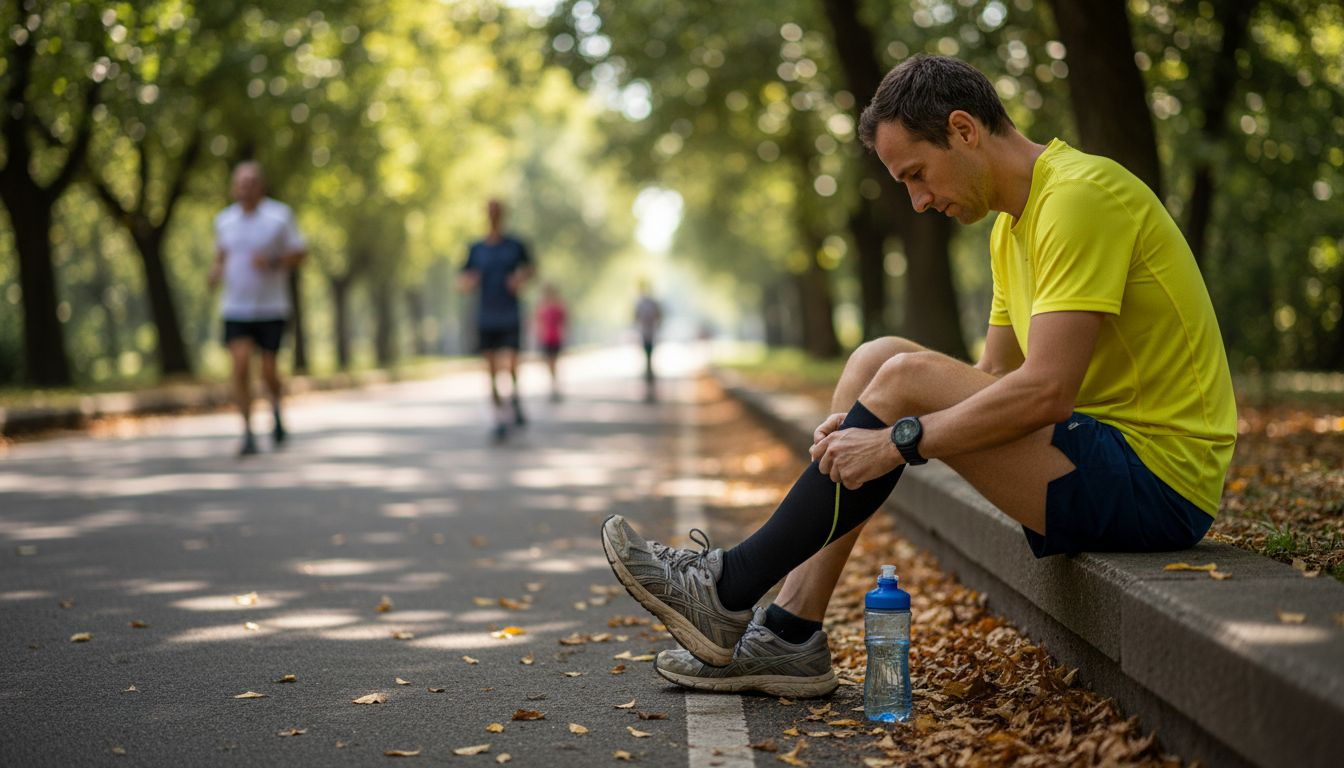
Every step you take during a run puts your calves under intense pressure. If your calf muscles are not properly supported, you risk muscle fatigue, slower performance, and even common injuries like Achilles tendinopathy. Protecting your lower legs is not just about comfort—it directly impacts your stability, energy, and long-term running success.
The right approach to calf support can help you run farther and recover faster. From compression gear that improves blood flow to simple fit adjustments that maximize comfort, there are smart strategies that make a visible difference. Get ready to discover practical tips and key tools that will keep your calves strong and your training on track.
Table of Contents
- Understand The Importance Of Calf Support
- Choose The Right Calf Compression Sleeves
- Benefits Of Calf Compression Bands
- When To Use Calf Braces For Stability
- Padded Calf Sleeves For Enhanced Protection
- Tips For Correct Fit And Sizing Of Supports
- How To Combine Calf Support With Recovery Tools
Quick Summary
| Takeaway | Explanation |
|---|---|
| 1. Calf support prevents injuries | Good calf support reduces injury risks and improves running performance by protecting key muscles like the gastrocnemius and soleus. |
| 2. Choose appropriate compression sleeves | Select sleeves with graduated compression (15-25 mmHg) for optimal muscle support and recovery during runs. |
| 3. Use calf braces in high-risk scenarios | Calf braces are essential for stability during uneven terrain or when recovering from muscle strains to prevent further injuries. |
| 4. Padded calf sleeves enhance comfort | Padded sleeves absorb impact vibrations, allowing for better muscle resilience on hard surfaces, improving overall comfort. |
| 5. Correct fit is crucial for effectiveness | Ensure calf supports fit snugly to maintain range of motion while providing necessary muscle support, which helps prevent injuries. |
1. Understand the Importance of Calf Support
Running places intense demands on your lower legs, making calf support a critical component of injury prevention and performance optimization. Your calf muscles function as powerful shock absorbers and propulsion generators during each stride, which means protecting and supporting them is essential for any serious runner.
The calf muscles (gastrocnemius and soleus) play a pivotal role in running mechanics by generating and absorbing energy through the complex biomechanics of running. These muscles act like a sophisticated spring mechanism, storing and releasing kinetic energy with every footstrike. Without proper support, runners risk muscle fatigue, reduced running economy, and increased susceptibility to injuries like Achilles tendinopathy.
Understanding calf support goes beyond simple muscle protection. It involves maintaining muscle resilience, preventing overuse injuries, and optimizing your body’s natural shock absorption capabilities. Runners who invest in comprehensive calf support can significantly reduce their injury risk while improving overall performance and endurance.
Practically, this means incorporating strategies like compression sleeves, targeted strengthening exercises, and proper recovery techniques to maintain your calves’ health and functionality. By treating your calf muscles as the critical performance drivers they are, you can run longer, faster, and with greater confidence.
Pro tip: Perform a simple heel drop exercise twice weekly to strengthen your calf muscles and improve their resilience against running stress.
2. Choose the Right Calf Compression Sleeves
Calf compression sleeves are more than just a running accessory they are a strategic performance and recovery tool for serious athletes. Understanding how to select the right sleeve can dramatically improve your running experience and muscle health.
Compression technology works by applying targeted pressure to your lower leg muscles, which helps improve blood circulation and muscle support. These specialized sleeves provide graduated compression that enhances oxygenated blood flow, reduces muscle vibration, and supports your calf muscles during intense running sessions.
When choosing compression sleeves, runners should consider several key factors. Compression level is crucial look for sleeves with graduated pressure ranging from 15 to 25 mmHg for optimal performance and recovery. Material composition matters too select breathable, moisture wicking fabrics like nylon and spandex blends that offer flexibility and comfort.
Fit is paramount. Your compression sleeve should feel snug but not restrictive allowing full range of motion while providing targeted muscle support. Measure your calf circumference precisely and consult sizing charts to ensure you select the right dimensions for maximum effectiveness.
Pro tip: Try on compression sleeves before a short training run to confirm comfort and assess how they impact your running mechanics.
3. Benefits of Calf Compression Bands
Calf compression bands represent a strategic tool for runners seeking to optimize muscle performance and recovery. These specialized bands go beyond simple support by actively enhancing your body’s physiological responses during and after running.
Compression bands work by applying targeted pressure to your lower leg muscles, promoting improved blood circulation and reducing metabolic waste buildup. The strategic compression helps prevent muscle vibration, decrease inflammation, and accelerate recovery times for runners experiencing repetitive muscle stress.
The primary benefits of calf compression bands include reduced muscle soreness, faster recovery, and enhanced performance. By applying graduated compression, these bands help prevent venous pooling minimize swelling and support muscle groups during intense running sessions. Runners can experience improved muscle oxygenation reduced risk of fatigue and more efficient metabolic waste removal.
Medical research demonstrates that intermittent compression techniques can significantly impact athletic performance. These bands create a pumping action that stimulates blood flow assists in preventing potential muscle injuries and supports faster muscle recovery after intense training or competition.
Pro tip: Apply compression bands immediately after your run and wear them during recovery to maximize their physiological benefits and reduce muscle soreness.
4. When to Use Calf Braces for Stability
Calf braces are not just another piece of running gear they are strategic support tools designed to protect and stabilize your lower leg muscles during critical moments of athletic performance and recovery.
Runners should consider using calf braces in specific scenarios where joint stability becomes paramount. Braces provide crucial external joint support particularly when dealing with ligament vulnerabilities, chronic instability, or during rehabilitation from previous injuries.
Critical indicators for calf brace usage include recent muscle strains, persistent joint weakness, running on uneven terrain, or returning to training after an injury. These braces work by limiting potentially harmful motion while improving proprioception your body’s ability to sense joint position and movement.
The most effective approach involves using calf braces strategically during high risk activities or transition periods in your training. They can help runners maintain muscle alignment reduce injury risk and provide confidence during recovery phases. Professional athletes and physical therapists recommend targeted brace usage as part of a comprehensive injury prevention strategy.
Pro tip: Consult a sports medicine professional to determine the precise type of calf brace that matches your specific biomechanical needs and injury history.
5. Padded Calf Sleeves for Enhanced Protection
Padded calf sleeves represent a sophisticated approach to running gear that goes far beyond standard compression wear. These specialized garments provide runners with strategic muscle protection and performance enhancement.
Unlike traditional compression sleeves, padded calf protection offers impact absorption through strategically placed cushioning materials. The padding helps reduce muscle vibration during running absorbing micro shocks that can lead to fatigue and potential soft tissue damage.
The primary benefits of padded calf sleeves include reduced muscle oscillation improved shock absorption and enhanced comfort during long distance runs. Runners experience less muscle fatigue as the padding distributes impact forces more evenly across the lower leg muscles. This technology is particularly valuable when running on hard surfaces like concrete or asphalt where repetitive impact can cause significant muscle stress.
Key design features to look for include EVA foam cushioning strategic padding placement moisture wicking fabrics and graduated compression zones. These elements work together to provide targeted protection maintain muscle stability and support optimal running mechanics.
Pro tip: Select padded calf sleeves with targeted cushioning in high impact zones and ensure a snug but not restrictive fit to maximize protection and comfort.
6. Tips for Correct Fit and Sizing of Supports
Finding the right fit for calf supports is not just about comfort its about maximizing performance and preventing potential injury. A poorly fitted support can be more detrimental than wearing no support at all.
Precise measurement techniques are critical for selecting the optimal calf support. Runners should measure their calf circumference at its widest point using a flexible tape measure, ensuring the measurement is taken without pulling the tape too tight or too loose.
Key factors in achieving the perfect fit include understanding compression levels, material stretch, and individual body mechanics. A well fitted calf support should feel snug but not restrictive allowing full range of motion while providing targeted muscle support. Graduated compression supports that are tighter at the ankle and progressively looser toward the knee often provide the most effective support for runners.
When trying on supports, check for several critical indicators. The material should sit smoothly against your skin without bunching or creating uncomfortable pressure points. Your range of motion should remain unrestricted and you should feel immediate muscle stabilization without feeling constricted.
Pro tip: Try on calf supports in the morning when leg swelling is minimal and always follow manufacturer sizing charts for the most accurate fit.
7. How to Combine Calf Support with Recovery Tools
Recovery for runners is not just about rest its about strategic muscle rehabilitation and targeted support. Understanding how to effectively integrate calf support with recovery tools can dramatically accelerate healing and prevent future injuries.
Combining compression supports with a comprehensive recovery strategy allows runners to optimize muscle healing and performance. The synergy between compression technology and targeted rehabilitation exercises creates a powerful approach to muscle care.
A holistic recovery approach involves multiple strategic components. First use compression sleeves during and after running to reduce muscle vibration and enhance blood circulation. Follow up with specific recovery tools like foam rolling gentle stretching and proprioceptive exercises. These methods work together to reduce inflammation restore muscle function and improve overall leg mobility.
Key recovery techniques include active stretching to maintain muscle flexibility targeted strength training to rebuild muscle integrity and periodic rest with elevation. Compression supports play a critical role by providing continuous gentle pressure that supports circulation and reduces swelling during these recovery phases.
Pro tip: Rotate between different recovery tools and compression supports to prevent muscle adaptation and maintain optimal rehabilitation effectiveness.
The following table summarizes the main strategies, benefits, and key considerations presented in the article regarding effective calf support for runners.
| Area of Focus | Description | Benefits |
|---|---|---|
| Understanding Calf Support | The significance of calf muscles in running mechanics and the approaches for maintaining their health, such as compression and exercises. | Reduced injury risk, improved performance, and enhanced endurance. |
| Calf Compression Sleeves | Strategic selection of compression sleeves with proper fit, material, and graduated pressure levels. | Enhanced blood circulation, reduced muscle vibration, and better running efficiency. |
| Compression Bands | Use of bands for targeted pressure, promoting better circulation and reducing muscle inflammation and fatigue. | Faster recovery and reduced soreness. |
| Calf Braces | Strategic gear for joint stability during specific scenarios like injury recovery. | Enhanced stability, reduced risk of re-injury, and improved alignment. |
| Padded Sleeves | Gear with integrated padding for impact absorption and added protection. | Minimized vibrations and improved long-distance running comfort. |
| Fit and Sizing Importance | Ensuring accurate fitting for effective muscle support and injury prevention. | Optimal performance and comfort during use. |
| Integration with Recovery Tools | Combining compression garments with recovery strategies such as foam rolling and stretching. | Boosted recovery and prevention of future muscle injuries. |
Elevate Your Running Experience with Expert-Calf Support from KneeSolution
The article on “7 Essential Calf Support Options for Runners” highlights how vital calf compression sleeves, bands, and braces are for preventing injuries and boosting performance. If you are struggling with calf fatigue, muscle soreness, or joint instability, you need targeted support solutions that provide both protection and enhanced recovery. At KneeSolution, we understand these challenges well and offer professional-grade Leg Protection Accessories designed to stabilize and support your lower limbs so you can run with confidence and durability.
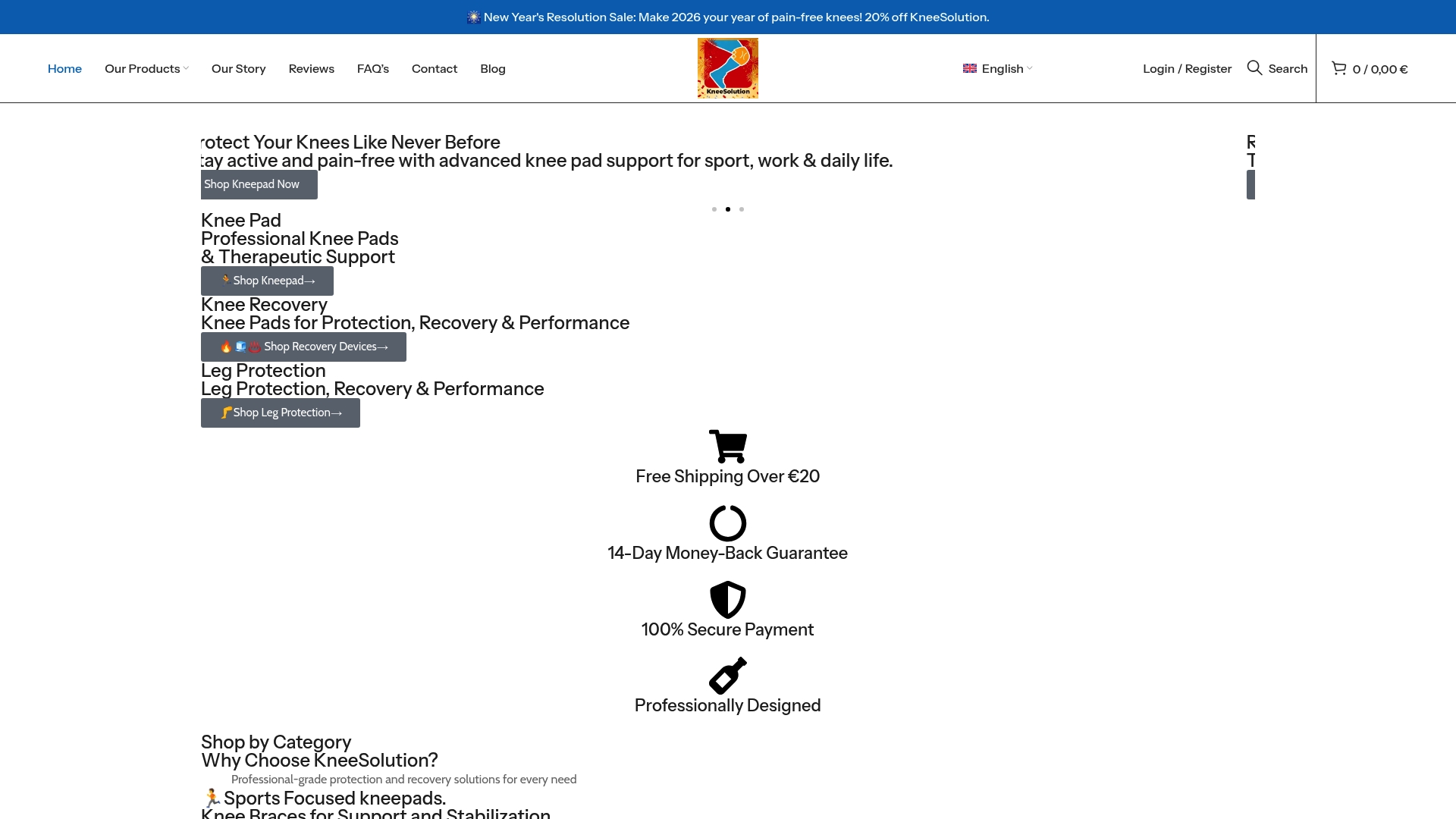
Discover a range of calf compression bands and padded sleeves engineered for optimal compression, impact absorption, and comfort. Our products use breathable fabrics and evidence-based technologies to reduce muscle vibration and improve circulation. When combined with our specialized Knee Pads & Braces and advanced Knee Recovery Devices, you get a holistic solution that supports your entire lower leg during training and recovery phases. Don’t let calf or knee pain slow you down. Visit KneeSolution now and take the first step toward injury prevention and enhanced running performance today.
Frequently Asked Questions
How do calf compression sleeves help runners?
Calf compression sleeves provide targeted pressure that enhances blood circulation and supports muscle stability, helping to reduce fatigue and muscle vibration during runs. Incorporate compression sleeves during your runs and post-run recovery to experience enhanced performance and reduced soreness.
When should I use calf braces for running?
Calf braces are ideal for providing extra support during high-risk activities, such as returning to running after an injury or running on uneven surfaces. Use them strategically when facing joint instability or prior muscle strains for improved protection and confidence.
What are the benefits of padded calf sleeves compared to regular compression sleeves?
Padded calf sleeves offer additional impact absorption, which helps reduce muscle oscillation and fatigue during long runs on hard surfaces. Choose padded sleeves for enhanced comfort and effective shock absorption, especially if you run frequently on concrete or asphalt.
How can I ensure the correct fit for my calf supports?
To achieve the right fit for calf supports, measure your calf circumference at its widest point and refer to sizing charts before purchasing. Aim for a snug but not restrictive fit that allows full range of motion, ensuring maximum support and effectiveness during your runs.
How often should I incorporate calf strengthening exercises into my routine?
A regular routine of calf strengthening exercises, such as heel drops, should be performed at least twice a week to build resilience against running stress. Commit to this frequency to help enhance muscle strength and reduce the risk of injury over time.
How can I combine calf support with recovery techniques effectively?
Integrating calf support with recovery techniques involves using compression sleeves during and after runs while following up with gentle stretching and foam rolling. Aim for a holistic approach to recovery, as this combination can significantly improve healing and reduce muscle soreness.
Recommended
- Calf Compression Band – Adjustable Support and Circulation – For Running, Fitness & Sports – Free of charge return- KneeSolution
- Long Padded Compression Sleeve – Knee to Calf with EVA Cushion – For Basketball, Running & Intense Sports – Free of charge return- KneeSolution
- Thigh Compression Sleeve – Muscle Stabilization and Comfort – For Running, Cycling & Sports – Free of charge return- KneeSolution
- Leg protection accessories for thigh, calf, ankle and achilles heel support Archives – KneeSolution
