

Blog
What Is Knee Compression and Why It Matters


Knee discomfort can turn a promising Paris morning run into an uphill battle, especially for active adults aiming to stay healthy and pain free. For those navigating old injuries or new aches, understanding how knee compression works can make every stride feel more stable and supported. This guide breaks down the science behind compression, explores the best types of supports, and uncovers how targeted pressure can reduce pain, prevent injury, and help you run with confidence across your favorite French city routes.
Table of Contents
- Knee Compression Explained: Mechanism and Definition
- Types of Knee Compression Supports and Devices
- How Knee Compression Reduces Pain and Swelling
- Real-World Uses for Athletes and Everyday Life
- Risks, Limitations, and Choosing Your Solution
Key Takeaways
| Point | Details |
|---|---|
| Knee Compression Mechanism | Strategic application of controlled pressure enhances joint stability, proprioception, and blood circulation, reducing injury risk. |
| Types of Compression Supports | Various designs cater to specific needs, including prophylactic, functional, rehabilitative, and patellofemoral braces. |
| Pain and Swelling Management | Compression helps in reducing pain and swelling through improved circulation and enhanced lymphatic drainage. |
| Risks and Proper Selection | Careful selection of knee compression devices is essential to avoid risks and ensure effectiveness, particularly for individuals with pre-existing conditions. |
Knee Compression Explained: Mechanism and Definition
Knee compression is a specialized therapeutic technique designed to provide targeted support and stability to the knee joint through strategic pressure application. Understanding its mechanism requires examining how external compression influences biomechanical performance and physiological responses.
At its core, knee compression works by applying controlled pressure around the knee area, which creates several critical physiological benefits. Research from clinical biomechanical studies reveals that strategic compression achieves multiple important objectives:
- Enhances proprioceptive feedback to the joint
- Reduces muscular vibration during movement
- Supports ligament stability
- Improves blood circulation
- Minimizes soft tissue oscillation
The primary mechanism involves graduated pressure that supports muscular and connective tissue structures. Compression sleeves work by creating a consistent external force that helps stabilize the joint, reduce unnecessary movement, and provide sensory input to the nervous system. This input allows muscles to respond more efficiently and precisely during physical activities.
Physiological benefits emerge through multiple interconnected processes. By applying gentle, consistent pressure, compression enhances neuromuscular coordination and reduces potential joint stress. Strength assessment research indicates that compression can improve muscle activation patterns and joint position awareness.
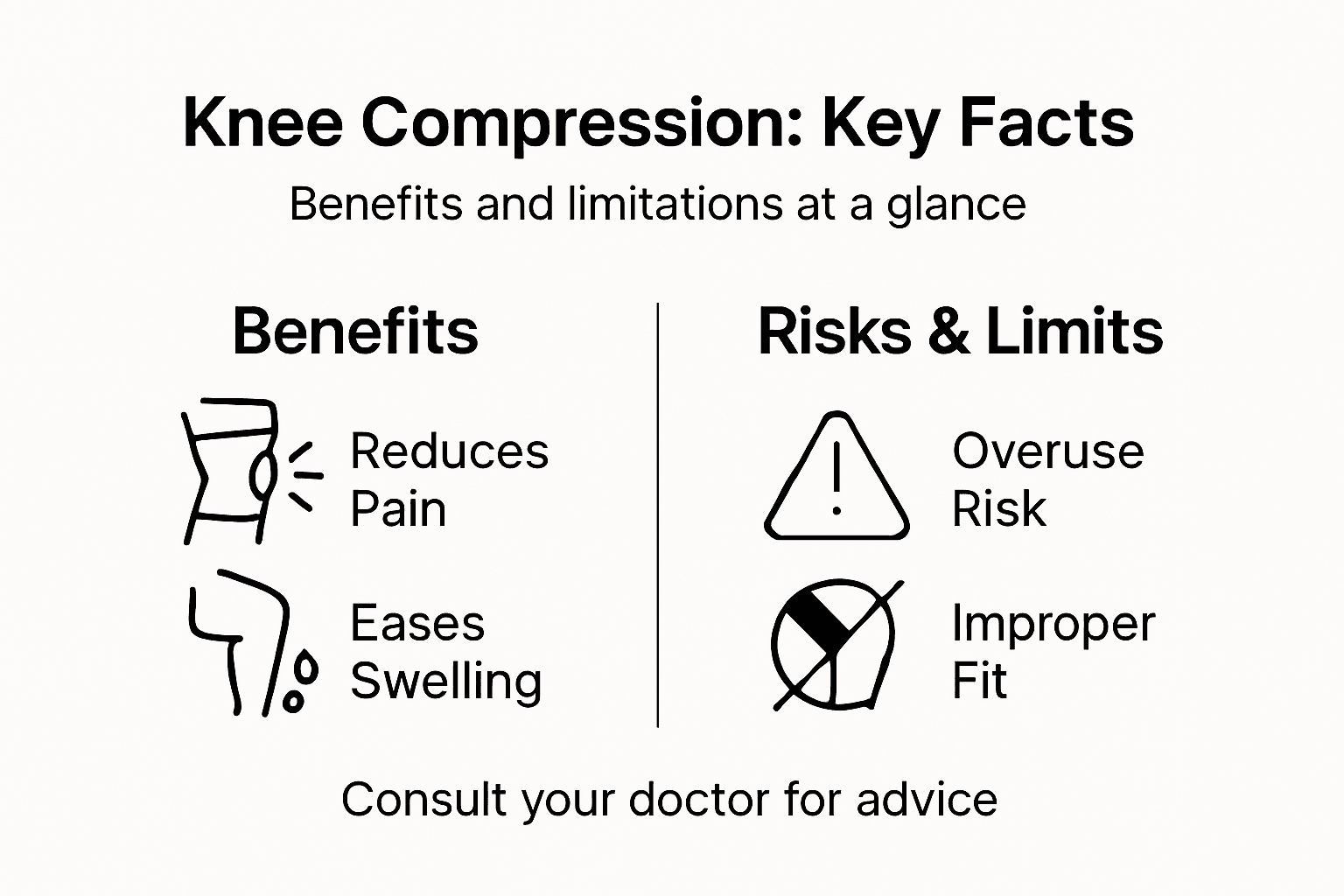
The science behind knee compression is rooted in understanding how external pressure influences muscular and neurological systems. When compression is applied correctly, it creates a supportive environment that promotes more efficient movement, reduces injury risk, and supports overall joint health.
Pro tip: Choose compression sleeves that provide graduated pressure and are specifically designed for your activity level and body type to maximize physiological benefits and joint support.
Types of Knee Compression Supports and Devices
Knee compression supports come in diverse designs, each engineered to address specific physiological needs and movement challenges. Comprehensive medical research reveals multiple categories of knee support devices, each with unique functionalities and targeted benefits.
The primary types of knee compression supports include:
- Prophylactic Braces: Designed for preventative protection during high-impact sports
- Functional Braces: Provide stability for existing knee injuries
- Rehabilitative Braces: Support controlled motion during recovery
- Patellofemoral Braces: Specifically target knee cap alignment and support
- Unloader Braces: Redistribute joint stress for individuals with arthritis
Compression sleeves represent the most versatile form of knee support. These elastic devices provide consistent pressure that enhances proprioception, reduces muscle vibration, and supports joint alignment. Professional medical classifications highlight their importance in both injury prevention and rehabilitation contexts.
Understanding the nuanced differences between knee compression devices is crucial for selecting the most appropriate support. Factors like injury type, activity level, and specific biomechanical requirements determine the ideal compression device. Athletes, rehabilitation patients, and individuals managing chronic knee conditions can benefit significantly from targeted compression technology.
Modern knee compression supports integrate advanced materials like moisture-wicking fabrics, graduated compression zones, and ergonomic designs that adapt to individual body mechanics. These innovations transform knee supports from simple restrictive devices into sophisticated performance and recovery tools.
Here’s a comparison of common knee compression support types and their ideal use cases:
| Support Type | Best For | Key Benefit |
|---|---|---|
| Prophylactic Brace | High-impact sports players | Prevents ligament injuries |
| Functional Brace | Post-injury rehabilitation | Stabilizes unstable knees |
| Rehabilitative Brace | Post-surgery patients | Limits harmful movement |
| Patellofemoral Brace | Patellar misalignment | Corrects kneecap track |
| Unloader Brace | Arthritis sufferers | Reduces joint stress and pain |
| Compression Sleeve | General joint support | Enhances proprioception |
Pro tip: Consult a sports medicine professional to precisely match your knee compression device with your specific activity, injury history, and biomechanical needs.
How Knee Compression Reduces Pain and Swelling
Knee compression represents a sophisticated therapeutic approach to managing joint pain and inflammation, utilizing precise pressure application to address physiological challenges. Medical research demonstrates how strategic compression can dramatically transform recovery and pain management processes.
The primary mechanisms by which knee compression reduces pain and swelling include:
- Improved blood circulation
- Reduced inflammatory response
- Enhanced lymphatic drainage
- Decreased muscle vibration
- Stabilized joint movement
- Reduced localized swelling
Pressure distribution is the cornerstone of compression therapy’s effectiveness. By applying consistent, graduated pressure, compression supports create a dynamic environment that actively manages fluid accumulation and inflammatory responses. The external pressure helps redirect excess fluid, preventing its stagnation in joint tissues and facilitating more efficient metabolic waste removal.
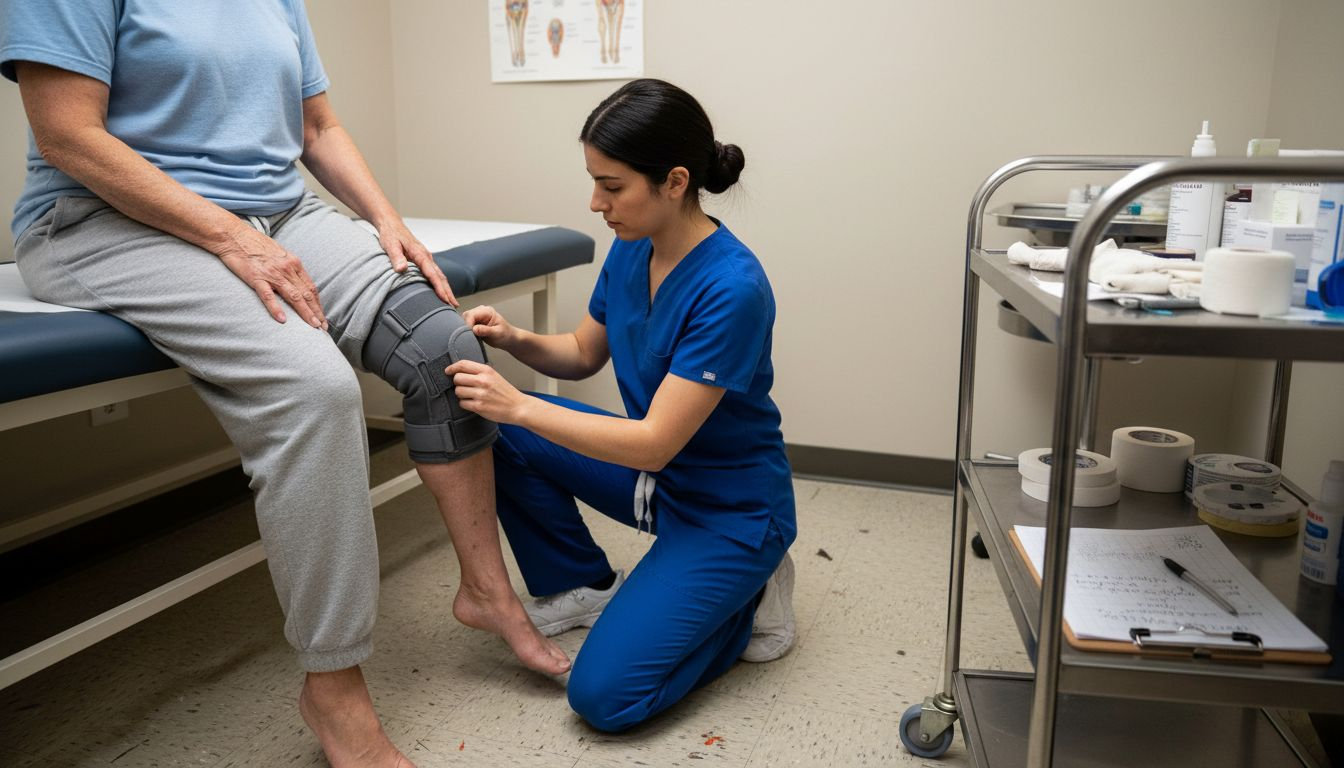
Physiological benefits extend beyond immediate swelling reduction. Compression triggers a cascade of healing responses, including enhanced proprioception, reduced muscle oscillation, and improved sensory feedback. These mechanisms work synergistically to minimize pain perception, support structural stability, and accelerate the body’s natural healing processes.
Modern compression technologies integrate advanced materials that optimize these therapeutic principles. Specialized fabrics with graduated compression zones, breathable designs, and targeted support mechanisms transform knee compression from a simple restrictive approach to a sophisticated rehabilitation tool.
Pro tip: Select compression supports with graduated pressure levels and consult a healthcare professional to ensure proper fit and therapeutic effectiveness.
Real-World Uses for Athletes and Everyday Life
Medical research highlights the versatile applications of knee compression supports across diverse populations, demonstrating their critical role in injury prevention, performance enhancement, and daily mobility management. From professional athletes to individuals managing chronic conditions, knee compression technology offers targeted solutions for multiple scenarios.
Key real-world applications include:
- Sports Performance
- Reducing muscle fatigue during intense training
- Minimizing injury risk in high-impact activities
- Supporting rapid muscle recovery
- Rehabilitation
- Providing structural knee support post-injury
- Managing arthritis-related joint stress
- Enhancing physical therapy outcomes
- Everyday Mobility
- Supporting individuals with joint instability
- Managing chronic pain conditions
- Improving posture and movement efficiency
Biomechanical support extends far beyond traditional athletic contexts. Knee compression supports serve critical functions for diverse user groups, including construction workers, long-distance drivers, retail employees, and individuals with occupational movement challenges. These specialized supports help maintain joint alignment, reduce muscular strain, and provide consistent structural reinforcement during prolonged physical activities.
The adaptability of modern knee compression technology allows for personalized intervention strategies. Advanced materials and ergonomic designs enable users to receive targeted support that adapts to individual movement patterns, body mechanics, and specific physiological requirements. Whether managing a sports injury, mitigating workplace strain, or supporting everyday mobility, compression supports offer a versatile solution for joint health and performance optimization.
For clarity, here’s a summary of how knee compression impacts different user groups:
| User Group | Primary Benefit | Example Applications |
|---|---|---|
| Athletes | Boosts performance | Training, competitions |
| Rehab Patients | Speeds up recovery | Physical therapy, post-injury |
| Chronic Pain Sufferers | Reduces discomfort | Arthritis, daily movement |
| Occupational Users | Lessens joint fatigue | Standing jobs, manual labor |
| Older Adults | Improves stability | Prevents falls, safer walking |
Pro tip: Select knee compression supports that match your specific activity level, ensuring proper fit and targeted support for your unique physiological needs.
Risks, Limitations, and Choosing Your Solution
Medical compression research reveals that knee compression supports, while beneficial, require careful selection and informed usage to maximize their potential and minimize potential risks. Understanding the nuanced landscape of potential limitations is crucial for responsible and effective application.
Potential risks and contraindications include:
- Physiological Risks
- Skin irritation
- Allergic reactions
- Restricted blood circulation
- Potential tissue damage
- Medical Contraindications
- Severe peripheral arterial disease
- Advanced cardiac insufficiency
- Diabetic neuropathy
- Known allergies to compression materials
Proper selection criteria are fundamental to ensuring safe and effective knee compression support. Expert medical guidance emphasizes the importance of individualized assessment. Factors such as body type, specific medical condition, activity level, and precise fit determine the appropriateness and effectiveness of compression technology.
Users must recognize that knee compression supports are therapeutic tools, not miraculous solutions. They provide supplementary support, pain management, and structural reinforcement but cannot replace professional medical treatment. Individuals with pre-existing medical conditions, recent injuries, or complex physiological challenges should always consult healthcare professionals before implementing compression strategies.
Pro tip: Consult a healthcare professional to conduct a comprehensive assessment of your specific knee support needs, ensuring personalized and safe compression intervention.
Discover Effective Knee Compression Solutions for Lasting Support and Pain Relief
If you are seeking professional-grade knee compression gear that truly supports your joint stability and reduces pain as explained in the article, explore our extensive range of Knee Pads & Braces. Our products use advanced compression technology designed to improve proprioception, limit unwanted movement, and enhance blood circulation—key factors that contribute to reduced swelling and faster recovery.

Take control of your knee health today by choosing solutions tailored for your activity level and specific needs. Whether you are an athlete, in rehabilitation, or managing daily joint discomfort, visit KneeSolution to find the perfect knee compression support that combines comfort with scientifically backed benefits. Don’t wait for pain to hold you back. Act now to experience improved stability and performance.
Frequently Asked Questions
What is knee compression and how does it work?
Knee compression is a therapeutic technique that applies controlled pressure around the knee joint to provide support, enhance stability, and improve blood circulation. This compression helps reduce muscle vibration, supports ligament stability, and enhances proprioceptive feedback, which allows for more efficient movement.
What are the benefits of using knee compression supports?
Knee compression supports offer several benefits, including reduced pain and swelling, improved proprioception, enhanced joint stability, and minimized muscle fatigue. They can also aid in recovery from injuries and support individuals with chronic knee conditions.
How do I choose the right type of knee compression support?
To choose the right type of knee compression support, consider factors such as your specific injury type, activity level, and biomechanical needs. Options include prophylactic braces for injury prevention, functional braces for existing injuries, rehabilitative braces for recovery, and compression sleeves for general support.
Can knee compression help with arthritis pain?
Yes, knee compression can help alleviate arthritis pain by redistributing joint stress, enhancing joint stabilization, and improving blood circulation. Compression supports minimize inflammation and discomfort, making them beneficial for those managing arthritis-related symptoms.
