

Blog
Thigh Vs Calf Compression: Performance And Recovery

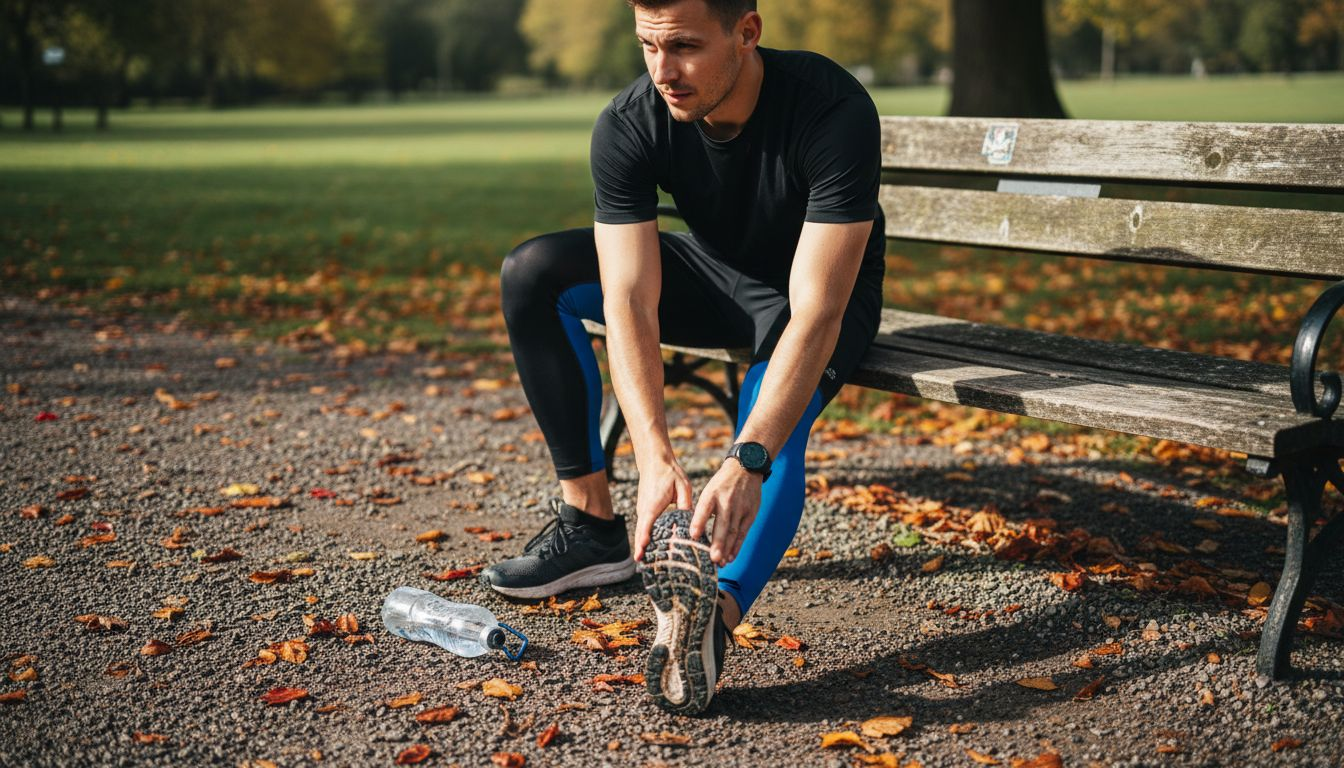
Runners in Paris know the challenge of muscle soreness and fatigue after pounding the pavement through the city’s streets. Finding ways to keep your legs fresh while aiming for personal bests matters whether you train in the heart of Parisian parks or along the banks of the Seine. Thigh and calf compression offer targeted support and could improve blood flow and recovery—research shows intermittent pneumatic compression of the thigh can increase both arterial and venous circulation in your lower limbs. This guide explains how specific compression can help you perform better, recover faster, and stay injury-free.
Table of Contents
- Thigh And Calf Compression Explained
- Distinct Benefits Of Thigh Compression
- Unique Effects Of Calf Compression
- How Compression Enhances Performance
- Safety Risks And When To Avoid
Key Takeaways
| Point | Details |
|---|---|
| Compression Improves Recovery | Thigh and calf compression enhances blood circulation and reduces muscle soreness, crucial for recovery after intense physical activities. |
| Targeted Benefits | Thigh compression focuses on larger muscle groups for overall stability, while calf compression improves venous return and reduces swelling in lower legs. |
| Consultation Is Key | It’s essential to consult a sports physiotherapist to determine the most effective compression strategy tailored to individual needs. |
| Safety Considerations | Compression isn’t suitable for everyone; individuals with certain medical conditions should seek professional advice before use. |
Thigh And Calf Compression Explained
Compression therapy for lower limbs represents a sophisticated approach to muscle support and recovery, targeting specific anatomical regions with precision. Thigh and calf compression techniques offer athletes and active individuals targeted strategies for managing muscle performance and reducing potential injury risks.
The core principle behind compression involves applying graduated pressure to specific muscle groups, which can significantly impact blood circulation and muscular recovery. Intermittent pneumatic compression research demonstrates that targeted compression can improve hemodynamic responses, increasing both arterial and venous blood flow in the lower limb.
Key benefits of thigh and calf compression include:
- Enhanced muscular blood circulation
- Reduced muscle oscillation during physical activity
- Improved recovery time after intense exercise
- Potential reduction in muscle soreness
- Stabilization of muscle groups during dynamic movements
Understanding the nuanced differences between thigh and calf compression is crucial for athletes seeking optimized performance. While thigh compression typically focuses on larger muscle groups and overall leg stability, calf compression targets more specific muscle regions prone to fatigue and strain.
Compression is not a one-size-fits-all solution, but a targeted approach to supporting muscular performance and recovery.
Pro tip: Consult with a sports physiotherapist to determine the most appropriate compression strategy for your specific athletic needs and body mechanics.
Distinct Benefits Of Thigh Compression
Thigh compression represents a targeted approach to muscle support that goes beyond traditional compression techniques. Muscular performance enhancement through strategic thigh compression offers athletes and active individuals a sophisticated method of optimizing lower body biomechanics and reducing potential injury risks.
Thigh compression research demonstrates significant advantages in improving arterial flow and venous velocity within the lower limb. By applying graduated pressure to the thigh region, athletes can experience enhanced circulatory responses that directly impact muscle performance and recovery mechanisms.
Key advantages of targeted thigh compression include:
- Enhanced arterial blood circulation
- Reduced muscle vibration during dynamic movements
- Improved proprioceptive feedback
- Potential mitigation of soft tissue injury risks
- Strategic muscle group stabilization
The physiological benefits extend beyond simple muscle support. Soft tissue injury prevention becomes a critical advantage, as thigh compression can help distribute localized pressure and minimize potential deep tissue complications during intense physical activities.
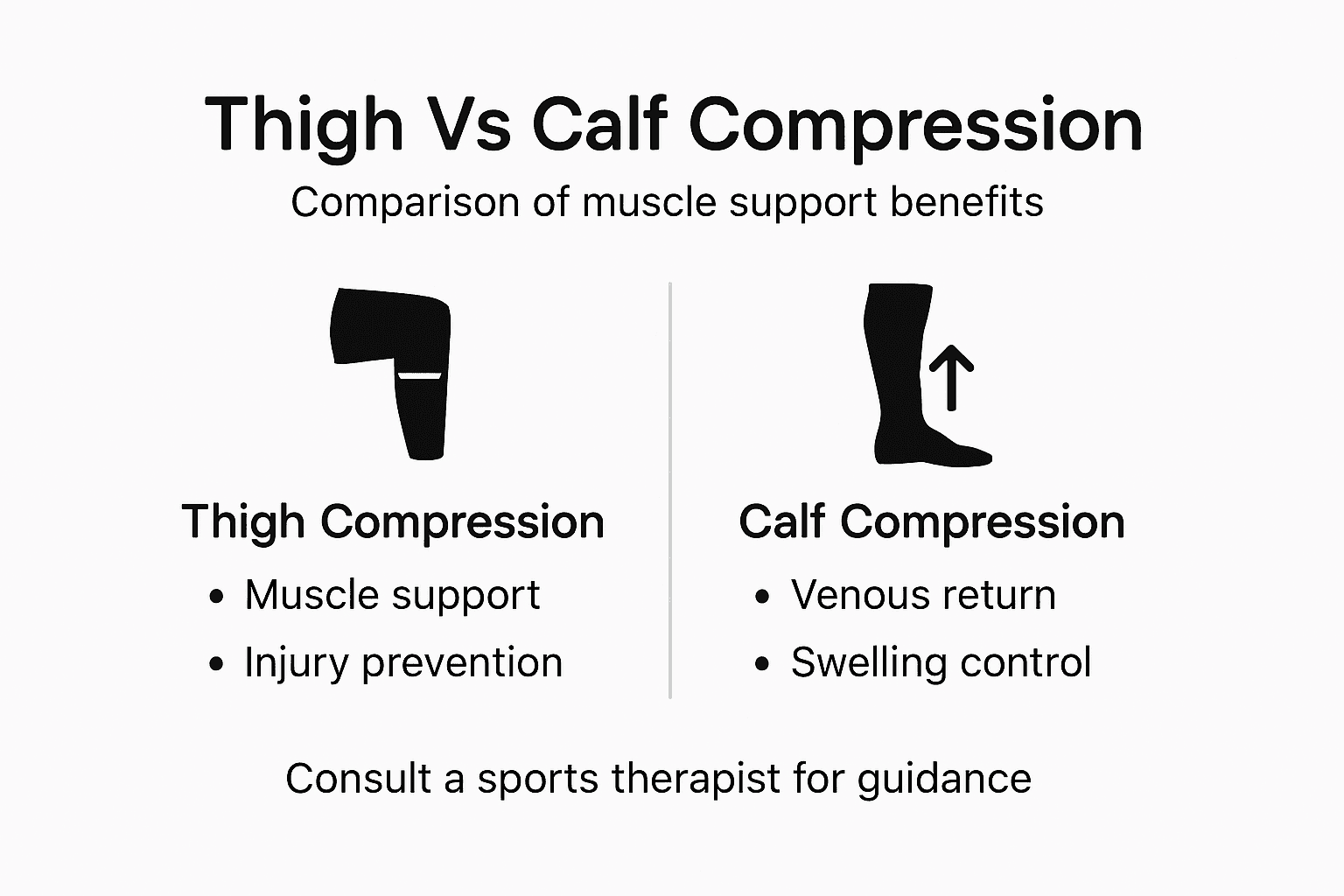
Here is a side-by-side comparison of thigh and calf compression effects for athletes:
| Aspect | Thigh Compression | Calf Compression |
|---|---|---|
| Targeted Muscle Area | Quadriceps and hamstrings | Gastrocnemius and soleus |
| Primary Circulatory Focus | Arterial flow enhancement | Venous return optimization |
| Injury Reduction Role | Minimizes soft tissue damage | Controls swelling and edema |
| Feedback Mechanism | Improves proprioception | Stimulates muscle pump action |
| Typical Use Scenario | High-impact, running, field sports | Endurance sports, prolonged standing |
Targeted thigh compression is not just about support – it’s about creating an optimal environment for muscular performance and recovery.
Pro tip: Select thigh compression sleeves that offer graduated pressure and consider your specific athletic demands when choosing compression levels.
Unique Effects Of Calf Compression
Calf compression emerges as a specialized technique with profound implications for lower leg performance and recovery. Venous circulation management represents a critical advantage of targeted calf compression, offering athletes and active individuals a sophisticated method to enhance physiological responses during and after physical activities.
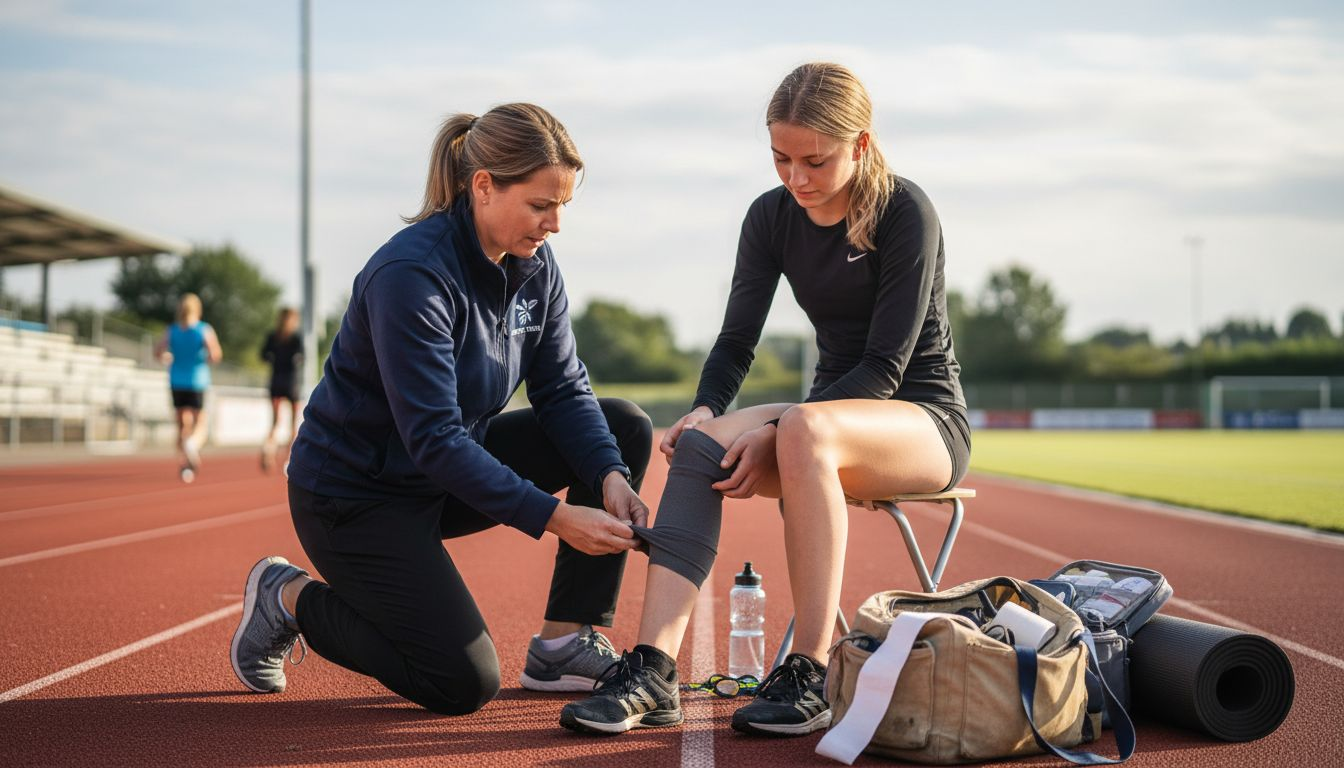
Calf muscle pump activation plays a pivotal role in counteracting venous hypertension, particularly during prolonged standing or intense physical exertion. By strategically applying graduated pressure to the calf region, individuals can experience significant improvements in blood circulation and reduce potential complications associated with venous stasis.
Key benefits of calf compression include:
- Enhanced venous return mechanism
- Reduced leg swelling and edema
- Improved lymphatic drainage
- Decreased muscle vibration during movement
- Accelerated recovery from intense physical activities
Research comparing compression techniques reveals unique physiological advantages. Intermittent pneumatic compression specifically targeting the calf region demonstrates remarkable effectiveness in managing leg volume and mitigating pain associated with edema.
Calf compression is not just a supportive measure – it’s a targeted intervention for optimizing lower leg circulatory dynamics.
Pro tip: Choose calf compression sleeves with graduated pressure gradients and ensure a precise fit to maximize physiological benefits.
How Compression Enhances Performance
Compression garments represent a sophisticated approach to optimizing athletic performance, transforming how athletes prepare, perform, and recover. Physiological performance enhancement goes far beyond simple muscle support, offering a nuanced mechanism for improving overall physical output and recovery efficiency.
Blood flow and muscle oxygenation play crucial roles in athletic performance, with compression therapy providing targeted interventions that can significantly impact an athlete’s capabilities. By strategically applying graduated pressure, compression garments create a dynamic environment that supports muscular function and circulatory responses.
Key performance enhancement mechanisms include:
- Reduced muscle oscillation during movement
- Improved proprioceptive feedback
- Enhanced arterial and venous circulation
- Accelerated metabolic waste removal
- Decreased muscle fatigue and recovery time
Compression garments’ mechanical stimulus directly influences muscle activation and running economy. The precise clothing pressure creates a biomechanical environment that minimizes energy expenditure and optimizes muscular recruitment patterns, ultimately translating to more efficient athletic performance.
Below is an overview of performance benefits linked to consistent compression garment use:
| Benefit | Athletic Preparation | Active Performance | Post-Activity Recovery |
|---|---|---|---|
| Circulation Improvement | Warms up muscles quickly | Sustains blood flow | Speeds waste removal |
| Muscle Oscillation Control | Prevents early fatigue | Reduces energy loss | Limits microtrauma |
| Proprioceptive Support | Enhances joint awareness | Aids movement precision | Supports neuromuscular reset |
Compression is not just equipment – it’s a performance optimization strategy.
Pro tip: Select compression garments with graduated pressure technology and ensure a snug, but not restrictive, fit for maximum physiological benefits.
Safety Risks And When To Avoid
Compression therapy offers significant benefits, but it’s not universally safe for every individual. Medical risk assessment becomes critical when considering compression garments, as certain physiological conditions can transform these supportive tools into potential health hazards.
Compression therapy safety considerations reveal important limitations and contraindications that athletes and active individuals must understand. Some medical conditions can significantly increase risks associated with compression, making professional medical consultation essential before implementing any compression strategy.
Conditions that warrant caution or compression avoidance include:
- Peripheral arterial disease
- Uncontrolled congestive heart failure
- Severe arterial insufficiency
- Active skin infections
- Open wounds or skin breakdown
- Significant circulatory disorders
- Acute inflammatory conditions
Skin and circulatory risks demand careful evaluation before using compression garments. The potential for skin damage, impaired circulation, and exacerbation of underlying conditions requires a nuanced approach to compression therapy.
Compression is a therapeutic tool, not a universal solution – individual medical context determines its safety and effectiveness.
Pro tip: Always consult a healthcare professional and undergo a comprehensive medical assessment before starting any compression therapy regimen.
Enhance Your Thigh and Calf Support for Peak Performance and Recovery
Understanding the unique benefits of thigh and calf compression is crucial for athletes and active individuals striving to improve circulation, reduce muscle vibration, and speed recovery. If you are looking to optimize your lower limb performance while preventing injuries, our specialized Leg Protection Accessories are designed to deliver targeted compression exactly where you need it. Whether you need thigh compression sleeves for muscle stabilization or calf compression bands to boost venous return, KneeSolution offers professional-grade products that align perfectly with the scientific insights shared.
Take control of your recovery and performance now by exploring our expertly crafted solutions that prioritize comfort, precise graduated pressure, and durability. Visit KneeSolution today to find your ideal compression support and step confidently into every activity with enhanced endurance and reduced discomfort.
Frequently Asked Questions
What are the main benefits of thigh compression?
Thigh compression enhances arterial blood circulation, reduces muscle vibration, improves proprioception, mitigates soft tissue injury risks, and stabilizes muscle groups during activities.
How does calf compression specifically aid in recovery?
Calf compression enhances venous return, reduces leg swelling and edema, improves lymphatic drainage, decreases muscle vibration, and accelerates recovery from intense activities.
How can I determine if thigh or calf compression is right for me?
It’s essential to consult with a sports physiotherapist who can evaluate your specific athletic needs and body mechanics to recommend the appropriate compression strategy.
Are there any medical conditions that can make compression therapy unsafe?
Yes, conditions like peripheral arterial disease, uncontrolled congestive heart failure, severe arterial insufficiency, active skin infections, and open wounds should be considered before using compression therapy.
Recommended
- 7 Types of Leg Compression Sleeves for Runners Explained
- 7 Essential Calf Support Options for Runners
- Thigh Compression Sleeve – Muscle Stabilization and Comfort – For Running, Cycling & Sports – Free of charge return- KneeSolution
- Long Padded Compression Sleeve – Knee to Calf with EVA Cushion – For Basketball, Running & Intense Sports – Free of charge return- KneeSolution
