

Blog
Daily Knee Protection Methods for Active Lifestyles

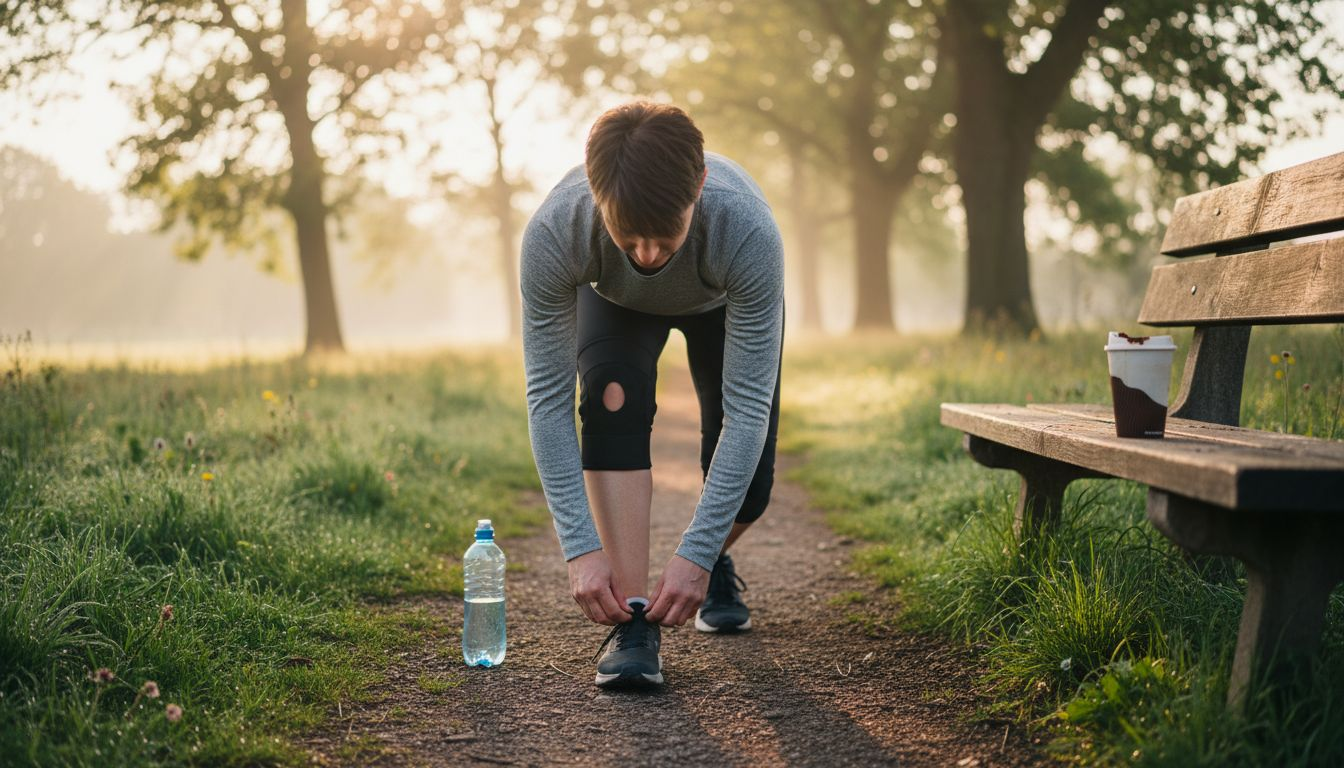
Every step you take on the streets of Paris can put extra pressure on your knees, especially when running becomes a daily routine. For recreational runners and amateur athletes, knee discomfort or lingering pain is a common roadblock that can quickly limit progress. Daily knee protection means more than just wearing a brace. It involves smart training choices, supportive gear, and science-backed routines that help enhance performance while minimizing injury risks.
Table of Contents
- What Daily Knee Protection Involves
- Types of Knee Support and Bracing
- Exercise and Movement Strategies for Knee Health
- Injury Prevention and Recovery Devices
- Common Mistakes and How to Avoid Them
Key Takeaways
| Point | Details |
|---|---|
| Daily Knee Protection | Involves structural support, strength training, motion control, and proactive recovery to maintain joint health. |
| Knee Brace Types | Understanding the purpose of prophylactic, functional, rehabilitative, and unloader braces is essential for injury prevention. |
| Exercise Strategies | A comprehensive approach including aerobic, strength, flexibility, neuromotor, and plyometric exercises is crucial for knee health. |
| Avoid Common Mistakes | Recognizing incorrect techniques, muscle imbalances, and ignoring pain signals can significantly reduce the risk of knee injuries. |
What Daily Knee Protection Involves
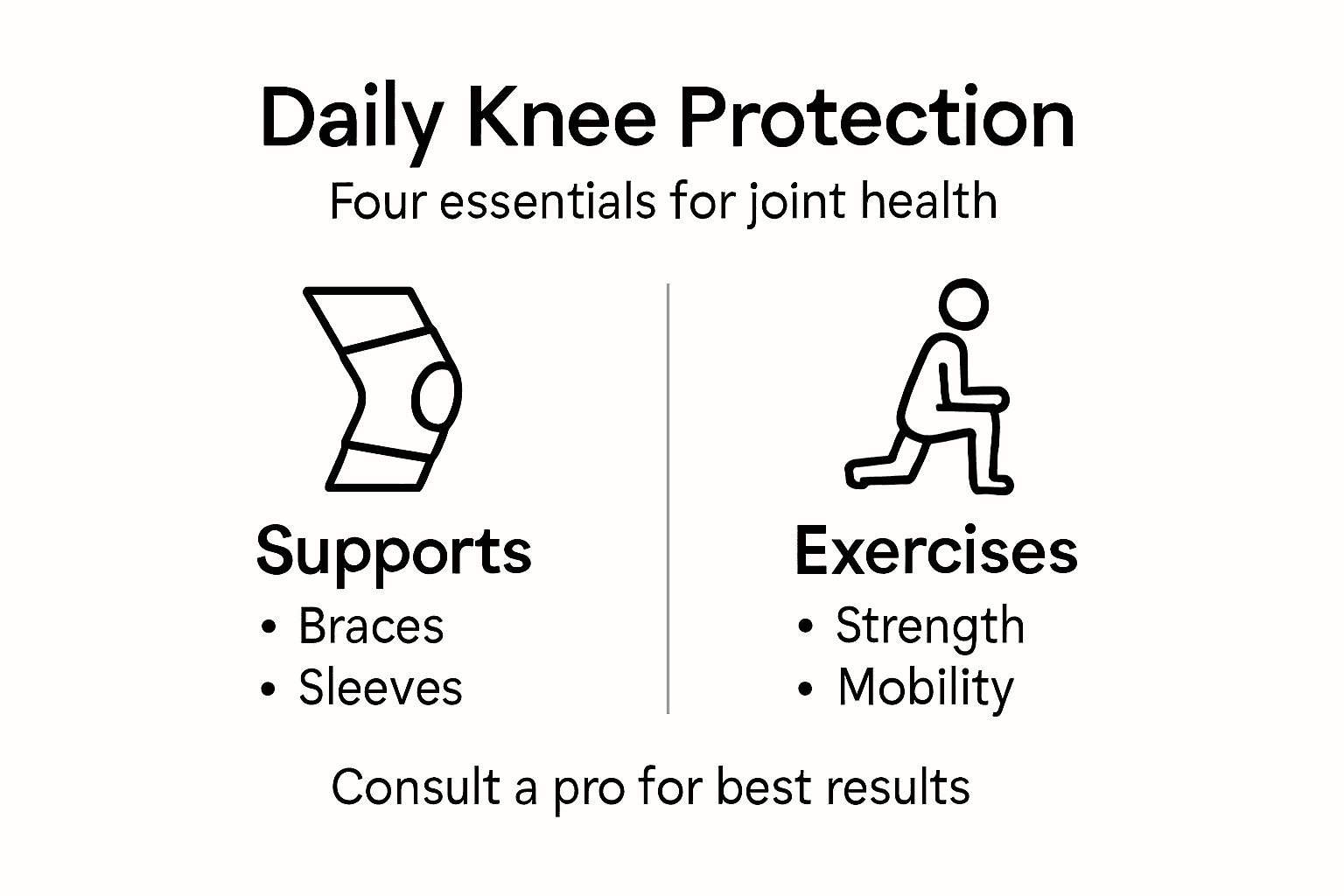
Daily knee protection represents a comprehensive strategy designed to maintain joint health, prevent injury, and support athletic performance for active individuals. Knee protection is not just about wearing supportive gear, but encompasses a holistic approach to maintaining joint stability and reducing potential damage during physical activities.
Effective daily knee protection typically involves several critical components:
- Structural Support: Using appropriate knee braces or compression sleeves that provide external stabilization
- Strength Training: Implementing targeted exercises to build muscle groups surrounding the knee joint
- Motion Control: Understanding and limiting movements that create excessive stress on knee structures
- Proactive Recovery: Utilizing recovery techniques like stretching, massage, and controlled rest periods
Research indicates that targeted neuromuscular training interventions can significantly reduce knee injury risks by improving overall joint stability and muscular control. These interventions focus on developing proprioceptive awareness, enhancing core strength, and creating balanced muscle development around the knee.
Physical activities like running, cycling, and high-intensity training place substantial stress on knee joints. Protective strategies must therefore be personalized and adaptive, considering individual biomechanics, fitness levels, and specific activity demands. This means understanding your body’s unique movement patterns and potential vulnerabilities.
Knee protection is not about limitation, but strategic empowerment of your body’s natural movement capabilities.
Pro tip: Invest 10-15 minutes daily in knee-specific mobility and strength exercises to build long-term joint resilience and prevent potential injuries.
Types of Knee Support and Bracing
Knee braces represent a critical component of injury prevention and management for active individuals, offering targeted support across different physiological conditions and athletic requirements. Knee support systems can be comprehensively categorized into three primary functional types: prophylactic, functional, and rehabilitative orthoses.
The main types of knee support and bracing include:
- Prophylactic Braces: Designed to prevent potential injuries during high-impact sports and activities
- Functional Braces: Providing stability and support for existing knee injuries
- Rehabilitative Braces: Assisting recovery during post-surgical or post-injury healing phases
- Unloader Braces: Specifically engineered to reduce joint stress for individuals with osteoarthritis
Each brace type serves a unique purpose in knee joint protection and performance enhancement. Prophylactic braces are typically used by athletes in contact sports to minimize injury risk, while functional braces offer critical support for individuals recovering from ligament sprains or partial tears. Unloader braces provide specialized relief by redistributing weight and reducing pressure on compromised joint areas.
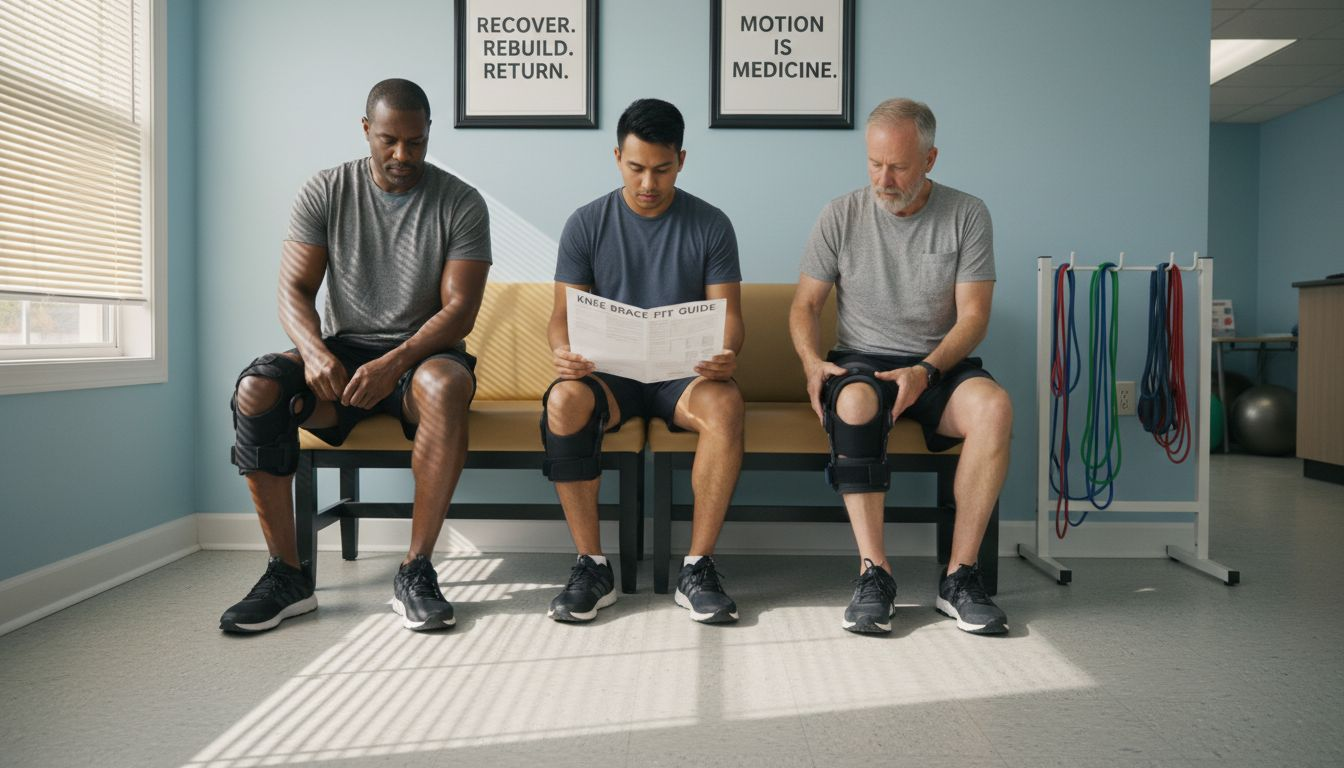
Biomechanical considerations play a crucial role in selecting appropriate knee support. Factors such as individual anatomy, specific athletic demands, existing medical conditions, and injury history all influence the most suitable brace design. Professional athletes and active individuals must consider not just the immediate support, but also long-term joint health and performance optimization.
Here is a comparison of different knee brace types and their typical use cases:
| Brace Type | Main Function | Recommended For | Example Scenario |
|---|---|---|---|
| Prophylactic Brace | Prevents new injuries | Contact sport athletes | Football or rugby games |
| Functional Brace | Supports injured knees | Ligament injury recovery | Post-ACL sprain support |
| Rehabilitative Brace | Controls knee movement post-op | Surgical recovery patients | After knee surgery |
| Unloader Brace | Reduces joint load | Osteoarthritis sufferers | Walking with knee OA |
Knee bracing is not just about protection, but about empowering your body’s natural movement capabilities.
Pro tip: Consult with a sports medicine professional to get a personalized knee brace recommendation tailored to your specific physical activities and joint health needs.
Exercise and Movement Strategies for Knee Health
Knee health requires a comprehensive approach to exercise and movement that goes beyond simple stretching or occasional workouts. Comprehensive exercise modalities are critical for maintaining joint function and preventing potential injuries for active individuals.
Key exercise strategies for optimal knee health include:
- Aerobic Exercises: Low-impact activities like swimming, cycling, and walking
- Strength Training: Focused muscle development around knee joint
- Flexibility Workouts: Stretching and mobility routines
- Neuromotor Exercises: Balance and coordination-based movements
- Plyometric Training: Dynamic movements to enhance joint stability
Multicomponent exercise programs are particularly effective for knee protection. Professional athletes and recreational fitness enthusiasts should incorporate targeted movements that improve muscle strength, enhance proprioception, and correct biomechanical imbalances. These strategies not only reduce injury risk but also support long-term joint health and performance optimization.
Specific movement techniques like controlled lunges, single-leg squats, and targeted leg press exercises can significantly improve knee joint stability. By progressively challenging muscle groups and emphasizing proper form, individuals can develop more resilient knee structures capable of withstanding various physical demands.
This table summarizes effective movement strategies for knee health:
| Strategy Type | Primary Benefit | Frequency Recommendation |
|---|---|---|
| Aerobic | Enhances joint mobility | 3-5 times per week |
| Strength | Increases knee support | 2-3 times per week |
| Flexibility | Improves range of motion | Daily or after exercise sessions |
| Neuromotor | Boosts balance & control | Weekly, integrated with routines |
| Plyometric | Builds dynamic stability | Once weekly with supervision |
Knee health is a dynamic process that requires consistent, strategic movement approaches.
Pro tip: Develop a personalized exercise routine that includes at least three different types of knee-supportive movements, rotating focus to prevent overuse and maintain comprehensive joint health.
Injury Prevention and Recovery Devices
Intelligent wearable systems offer advanced knee protection by providing personalized monitoring and early intervention strategies for active individuals. These sophisticated devices represent a significant leap forward in proactive knee health management, combining cutting-edge technology with biomechanical understanding.
Key injury prevention and recovery devices include:
- Biomechanical Monitoring Wearables: Advanced sensors tracking knee motion and stress
- Dynamic Compression Sleeves: Adaptive support systems with real-time adjustment capabilities
- Thermal Recovery Devices: Heat and cold therapy tools for inflammation management
- Vibration Therapy Equipment: Targeted muscle recovery and circulation enhancement devices
- Electronic Movement Correction Systems: Smart braces that provide real-time biomechanical feedback
Modern knee protection technologies go beyond traditional static support, offering dynamic, intelligent solutions that adapt to individual movement patterns. These devices can detect subtle changes in knee mechanics, providing early warning signs of potential injury risks and enabling proactive intervention before significant damage occurs.
The integration of advanced materials and sensor technologies has revolutionized knee injury prevention. Lightweight, breathable devices now offer unprecedented levels of protection and performance monitoring, allowing athletes and active individuals to understand their body’s mechanics with unprecedented precision.
Technology transforms knee protection from reactive treatment to predictive performance optimization.
Pro tip: Invest in a comprehensive knee monitoring system that provides both preventative insights and recovery support, treating your joints as a critical performance asset.
Common Mistakes and How to Avoid Them
Improper running techniques dramatically increase knee injury risks, making biomechanical awareness crucial for active individuals. Understanding and correcting common movement errors can significantly reduce the likelihood of knee-related injuries during sports and daily activities.
Key common mistakes in knee protection include:
- Incorrect Landing Mechanics: Hard foot strikes that create excessive joint stress
- Muscle Imbalance: Neglecting comprehensive strength training around knee joint
- Overtraining: Pushing beyond recovery limits without proper rest
- Ignoring Pain Signals: Continuing activities despite early warning signs
- Poor Warm-up Routines: Skipping essential mobility and stretching exercises
Professional athletes and fitness enthusiasts often make the critical error of implementing narrow, single-dimensional training approaches. Comprehensive training programs require multiple exercise components, including strength development, plyometric movements, and proximal control techniques that address overall joint stability and muscular support.
Biomechanical experts emphasize that knee protection is not about avoiding movement, but about developing intelligent, controlled motion. This involves understanding individual movement patterns, recognizing personal biomechanical limitations, and progressively building strength and flexibility with targeted, scientific approaches.
Knee health is a holistic journey of awareness, adaptation, and consistent, intelligent training.
Pro tip: Consult a sports physiotherapist annually to assess your unique movement patterns and receive personalized knee protection strategies.
Enhance Your Daily Knee Protection with Professional Solutions
Daily knee protection requires more than just awareness it demands reliable support designed to reduce joint stress and prevent injury while boosting your natural movement capabilities. If you are committed to implementing strength training targeted exercises and motion control routines as described in the article now is the perfect time to complement your efforts with advanced knee care products engineered for durability and comfort. From orthopedic knee braces that stabilize during intense activity to copper fiber compression sleeves that promote circulation KneeSolution offers everything you need to protect your knees every day.
Discover our complete range of Knee Pads & Braces that provide 360° compression and adjustable support ideal for athletes and active individuals aiming to prevent injuries and enhance joint stability. Pair your brace with innovative Knee Recovery Devices using heat cold therapy and vibration technology to accelerate healing and reduce inflammation after workouts or injury. Protect all aspects of your lower limbs with our selection of Leg Protection Accessories that support your thigh calf and Achilles tendon for comprehensive joint care. Visit KneeSolution now to invest in professional-grade products trusted to keep your knees strong resilient and pain free. Act today to start your journey toward smarter movement and lasting knee health.
Frequently Asked Questions
What are the key components of daily knee protection?
Daily knee protection involves structural support through braces or sleeves, strength training to build surrounding muscles, motion control to limit harmful movements, and proactive recovery techniques such as stretching and massage.
How can I improve my knee health through exercise?
To improve knee health, incorporate a mix of aerobic exercises, strength training, flexibility workouts, neuromotor exercises for balance, and plyometric training to enhance joint stability and overall function.
What types of knee braces are available and their uses?
The main types of knee braces include prophylactic braces for injury prevention, functional braces for support during recovery, rehabilitative braces for post-surgery, and unloader braces designed for those with osteoarthritis.
What common mistakes should I avoid for effective knee protection?
Common mistakes include incorrect landing mechanics, muscle imbalances from neglecting strength training, overtraining without rest, ignoring pain signals, and poor warm-up routines that skip important mobility and flexibility exercises.
