

Blog
7 Best Knee Supports 2026 for Runners and Athletes

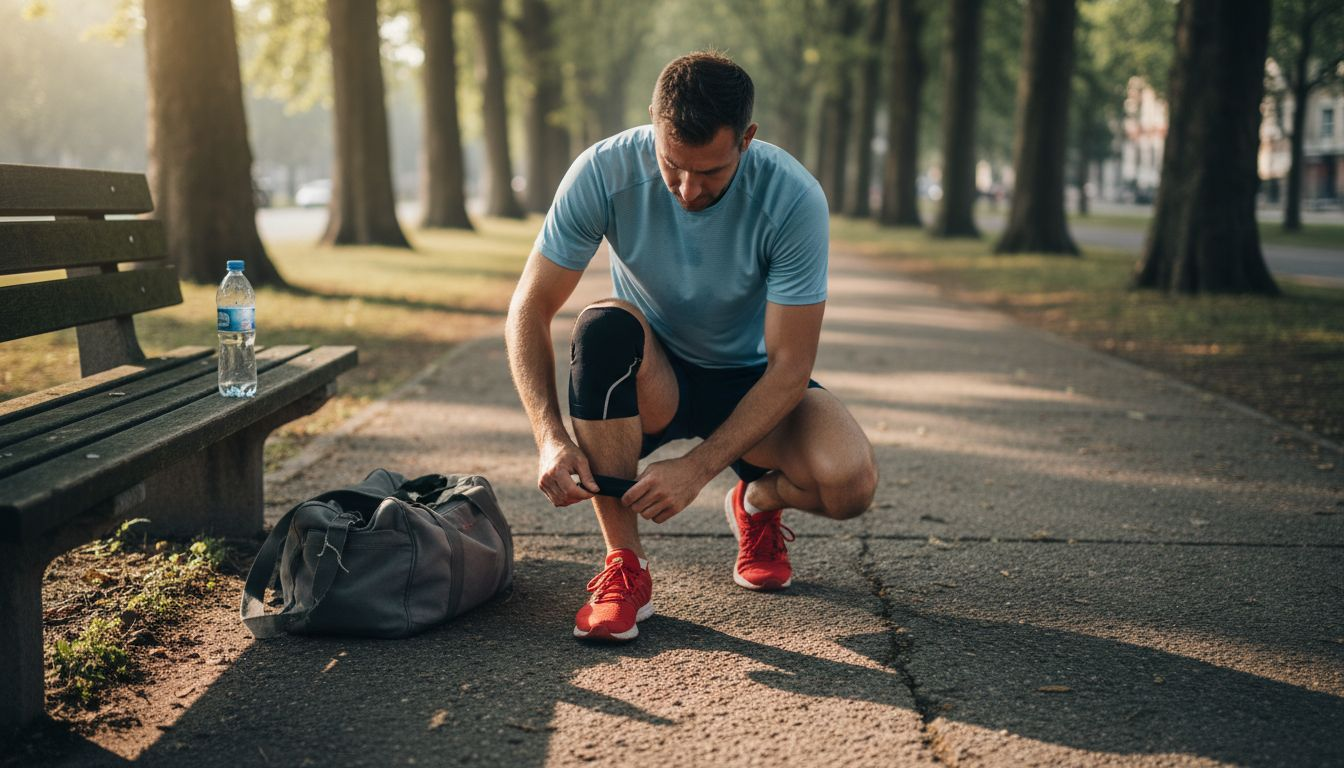
Knee discomfort and joint strain can make every stride feel risky, whether you are training for a marathon or enjoying a weekend jog. Protecting your knees is not just about pain relief but about maintaining your performance and preventing injuries that could keep you sidelined.
From compression knee sleeves that stabilize and warm your joints to advanced braces and non-slip sports knee pads designed for maximum support, there are several practical solutions proven to help athletes and active individuals. You will discover key ways to choose the right protection, recover faster, and keep your knees strong throughout your active life. Get ready to find out which science-backed strategies and products can give your knees the care and support they need.
Table of Contents
- 1. Start With The Right Compression Knee Sleeve
- 2. Choose Stabilizing Knee Braces For Extra Support
- 3. Use Adjustable Gel Pad Braces For Patella Relief
- 4. Try Non-Slip Sports Knee Pads For Secure Fit
- 5. Explore Heated Massager Devices For Recovery
- 6. Add Hot-Cold Gel Packs For Faster Healing
- 7. Consider Full-Leg Protection For Complete Support
Quick Summary
| Takeaway | Explanation |
|---|---|
| 1. Choose the Right Compression Knee Sleeve | Opt for sleeves that fit well and offer breathability for effective joint support and pain management during physical activities. |
| 2. Select Stabilizing Knee Braces for Extra Support | Braces provide targeted reinforcement, improving joint stability and reducing injury risks for different athletic activities. |
| 3. Use Adjustable Gel Pad Braces for Patella Relief | Gel pad braces distribute pressure around the kneecap, aiding in alleviating discomfort and preventing further knee issues. |
| 4. Evaluate Non-Slip Sports Knee Pads for Secure Fit | Non-slip pads enhance stability during dynamic movements, reducing the risk of discomfort while ensuring protective support. |
| 5. Incorporate Hot-Cold Gel Packs for Recovery | Utilize hot-cold therapy to manage pain and inflammation effectively, enhancing muscle recovery and overall performance. |
1. Start with the Right Compression Knee Sleeve
Compression knee sleeves are not just another accessory for athletes – they are a strategic tool for joint health and performance enhancement. These innovative support garments provide targeted stabilization and comfort for runners and active individuals seeking to protect their knees during intense physical activities.
Athletes benefit significantly from compression knee sleeves that offer multiple critical functions:
- Improve joint stability by providing consistent external support
- Reduce muscle vibration during high-impact movements
- Enhance proprioceptive feedback to improve movement precision
- Manage mild pain through consistent warmth and compression
The global knee compression sleeve market demonstrates substantial growth, reflecting their increasing importance in sports performance and injury prevention. These sleeves work by applying graduated pressure that supports circulation and reduces muscle fatigue.
When selecting a compression knee sleeve, runners should prioritize:
- Proper fit and size
- Material breathability
- Level of compression
- Specific design for running movements
A well-designed compression knee sleeve acts like a supportive companion for your knee joint during athletic performance.
Understanding the nuanced differences between various sleeve designs helps athletes make informed choices. Some sleeves offer open patella designs for kneecap mobility, while others provide closed support for maximum compression.
Pro tip: Always measure your knee circumference precisely and consult sizing charts before purchasing a compression sleeve to ensure optimal support and comfort.
2. Choose Stabilizing Knee Braces for Extra Support
Stabilizing knee braces represent a critical tool for athletes and runners seeking comprehensive joint protection and enhanced performance. These specialized support devices go beyond simple compression by offering targeted structural reinforcement for vulnerable knee ligaments.
Athletes can benefit from multiple types of knee braces designed for specific needs:
- Prophylactic braces for injury prevention
- Functional braces for post-injury rehabilitation
- Patellofemoral braces for kneecap alignment
- Unloader braces for managing osteoarthritis symptoms
Prophylactic and functional knee braces provide critical protection against potential injuries while supporting rehabilitation processes. Their biomechanical design helps restrict abnormal joint displacement and augment overall stability.
When selecting a knee brace, consider these key factors:
- Specific athletic activity requirements
- Personal injury history
- Range of motion needed
- Comfort and material flexibility
A well-chosen knee brace acts as your joint’s defensive linebacker protecting against potential athletic setbacks.
Biomechanical research indicates that proper knee bracing can significantly reduce injury risk by providing external joint support and improving neuromuscular control. Different brace designs offer varying levels of rigidity and protection tailored to specific athletic demands.
Pro tip: Consult a sports medicine professional to get personalized recommendations for knee brace selection based on your unique physiological structure and athletic goals.
3. Use Adjustable Gel Pad Braces for Patella Relief
Patella pain can transform a runner’s training routine from exhilarating to excruciating. Adjustable knee braces with gel pad technology offer a targeted solution for runners experiencing kneecap discomfort and biomechanical stress.
Gel pad knee braces provide multiple critical benefits for athletes:
- Targeted pressure distribution around the patella
- Shock absorption during high-impact movements
- Dynamic support for joint alignment
- Customizable compression through adjustable straps
The unique design of these braces focuses on addressing patellofemoral syndrome and related knee tracking issues. By strategically positioning gel cushioning, these supports help redistribute mechanical stress and minimize potential injury risks.
Key considerations when selecting a gel pad knee brace include:
- Precise fit around the knee joint
- Material breathability
- Level of adjustability
- Comfort during extended wear
Intelligent knee support transforms potential pain into performance potential.
Runners experiencing recurring patella discomfort should view these braces as preventative investments in their long-term athletic health. The right support can mean the difference between continuing training and experiencing debilitating knee complications.
Pro tip: Measure your knee circumference precisely and consult sizing charts to ensure optimal gel pad brace performance and comfort.
4. Try Non-Slip Sports Knee Pads for Secure Fit
Runners and athletes know that knee protection is not just about padding – it is about maintaining stability and confidence during intense physical activities. Non-slip sports knee pads represent a critical innovation in athletic support technology.
These advanced knee protection solutions offer multiple performance advantages:
- Secure grip during dynamic movements
- Advanced shock absorption
- Breathable fabric for temperature regulation
- Customizable fit through adjustable straps
Non-slip knee pads are engineered with specialized features that address the unique challenges athletes face during high-intensity training and competitive events. Friction reduction technology ensures the pad stays precisely where you need it most.
Athletes should evaluate knee pads based on these critical factors:
- Material durability
- Comfort and flexibility
- Range of motion support
- Moisture-wicking capabilities
Intelligent knee protection transforms potential vulnerability into performance potential.
The right non-slip knee pad can mean the difference between pushing through a challenging workout and being sidelined by preventable discomfort. Strategic design elements like silicone grips and ergonomic contouring make these supports indispensable for serious athletes.
Pro tip: Select knee pads with multiple size options and adjustable straps to ensure a personalized fit that moves with your body.
5. Explore Heated Massager Devices for Recovery
Recovery is a critical component of any serious athlete’s training regimen and heated massager devices represent a breakthrough in therapeutic technology. Superficial heat therapy offers runners and athletes a powerful tool for accelerating muscle recovery and managing joint discomfort.
Heated massager devices deliver multiple performance and healing advantages:
- Enhanced local blood circulation
- Reduced muscle tension
- Accelerated metabolic healing
- Pain management without medication
These innovative devices leverage advanced technologies to support athlete recovery. Infrared heat penetration helps muscles relax and repair more efficiently than traditional passive recovery methods.
Athletes should consider these factors when selecting a heated massager:
- Adjustable temperature settings
- Vibration intensity options
- Battery life and portability
- Targeted massage zones
A sophisticated heated massager transforms recovery from a passive process into an active healing experience.
The science behind heated massagers demonstrates their potential to restore muscle function and reduce inflammation more effectively than rest alone. Strategic heat application can help athletes return to peak performance faster and with greater comfort.
Pro tip: Use heated massagers immediately after training for maximum muscle recovery benefits, targeting areas of greatest muscular stress and tension.
6. Add Hot-Cold Gel Packs for Faster Healing
Recovery for runners and athletes is not just about rest but strategic intervention. Hot and cold gel packs offer a powerful dual-action approach to managing muscle and joint stress effectively.
These versatile therapeutic tools provide multiple recovery benefits:
- Rapid inflammation reduction
- Pain management without medication
- Improved blood circulation
- Accelerated tissue healing
The science behind hot-cold therapy is straightforward yet sophisticated. Cold therapy initially reduces swelling and numbs pain receptors, while heat therapy subsequently promotes blood flow and muscle relaxation.
Athletes should consider these application strategies:
- Apply cold therapy first after acute injury
- Switch to heat therapy after initial inflammation subsides
- Limit each application to 15-20 minutes
- Use protective barriers between skin and gel pack
Strategic temperature management transforms injury recovery from passive waiting to active healing.
Reusable gel packs with adjustable straps provide targeted relief for specific muscle groups and joint areas. Their medical-grade materials ensure consistent performance across multiple recovery sessions.
Pro tip: Keep your hot-cold gel pack in the refrigerator for immediate cold therapy access and quick injury management.
7. Consider Full-Leg Protection for Complete Support
Runners and athletes often overlook the interconnected nature of leg muscles and joints, focusing solely on knee protection. Comprehensive leg protection provides a holistic approach to injury prevention and performance optimization.
Full-leg protection strategies offer multiple performance advantages:
- Stabilize muscle groups
- Reduce injury transmission
- Improve proprioceptive awareness
- Support entire kinetic chain
The human leg functions as an integrated system where stress in one area can quickly impact another. Muscular interconnectedness means protecting just the knee is insufficient for complete athletic performance.
Athletes should consider protection across multiple leg zones:
- Thigh compression sleeves
- Knee braces with lateral stabilizers
- Calf support bands
- Achilles tendon wraps
- Ankle compression socks
Comprehensive leg protection transforms fragile joints into resilient performance engines.
By addressing multiple muscle groups simultaneously, athletes can create a robust defense against potential injuries and enhance overall biomechanical efficiency.
Pro tip: Layer your leg protection strategically, starting with base compression and adding targeted supports for maximum mobility and injury prevention.
Below is a comprehensive table summarizing the strategies and considerations for knee support and recovery products discussed throughout the article.
| Category | Summary of Benefits | Key Considerations |
|---|---|---|
| Compression Knee Sleeves | Improve stability, reduce vibration, and enhance proprioceptive feedback. | Ensure proper sizing and material breathability for maximum comfort and effectiveness. |
| Stabilizing Knee Braces | Provide structural reinforcement and restrict abnormal displacement. | Match brace type to specific needs such as prophylaxis or rehabilitation requirements. |
| Adjustable Gel Pad Knee Braces | Redistribute stress and offer targeted patella relief through gel cushioning. | Measure knee precisely; opt for models with adjustable straps for a personalized fit. |
| Non-Slip Sports Knee Pads | Offer secure grip and shock absorption during intense physical activities. | Select breathable fabrics with durable materials to ensure stability and comfort. |
| Heated Massager Devices | Enhance blood flow, reduce muscle tension, and accelerate recovery. | Prioritize adjustable temperature and vibration settings, while considering portability. |
| Hot-Cold Gel Packs | Utilize dual-action therapy for inflammation reduction and pain management. | Apply cold first after injury, followed by heat therapy; use protective barriers. |
| Comprehensive Leg Protection | Stabilize various leg zones to prevent injury and optimize performance. | Employ layered protection including sleeves, wraps, and socks for total support. |
Enhance Your Running Performance with Professional Knee Support from KneeSolution
Runners and athletes face unique challenges like patella pain, joint instability, and the need for reliable knee protection during intense activities. This article highlights the importance of using the right compression sleeves, stabilizing braces, adjustable gel pad supports, and recovery tools to prevent injury and boost performance. At KneeSolution, we understand these pain points and offer a targeted range of Knee Pads & Braces designed to provide optimal joint stability and comfort while addressing specific needs such as patellofemoral support and non-slip secure fits.
Discover how our advanced Knee Recovery Devices featuring infrared heat and hot-cold therapy, combined with comprehensive Leg Protection Accessories, can accelerate your recovery and protect your entire lower limb kinetic chain. Don’t let knee discomfort limit your progress. Visit KneeSolution now to find professional-grade solutions crafted for athletes who demand lasting relief and peak performance. Take control of your knee health today and run stronger tomorrow.
Frequently Asked Questions
What are the key benefits of using knee supports for runners and athletes?
Using knee supports can enhance joint stability, reduce muscle vibration, and manage mild pain. To maximize performance and protect your knees during intense activities, consider integrating the appropriate knee support into your training routine.
How do I choose the right knee support for my specific needs?
Select a knee support based on your specific athletic activity, injury history, and comfort level. Measure your knee circumference accurately and refer to sizing charts to ensure you choose a support that fits well and offers the needed level of compression.
What features should I look for in a compression knee sleeve?
When choosing a compression knee sleeve, prioritize proper fit, material breathability, compression level, and design tailored for running movements. A well-fitted sleeve can significantly improve your joint stability and overall performance during runs.
How can adjustable gel pad braces help with knee pain?
Adjustable gel pad braces distribute pressure around the kneecap and provide shock absorption during activities. If you experience patella discomfort, using a gel pad brace can help alleviate stress and allow you to continue your training with less pain.
When should I use hot-cold gel packs for recovery?
Use hot-cold gel packs to manage inflammation after an acute injury by applying cold therapy first, followed by heat therapy once swelling decreases. This targeted approach can speed up recovery and improve your overall training efficiency.
How can I enhance my overall leg protection during running?
Consider using a combination of thigh sleeves, knee braces, calf support bands, and ankle compression socks for comprehensive leg protection. Layer your protection strategically to maintain mobility while reducing the risk of injury.
