

Blog
7 Essential Steps: Knee Support Checklist for Runners

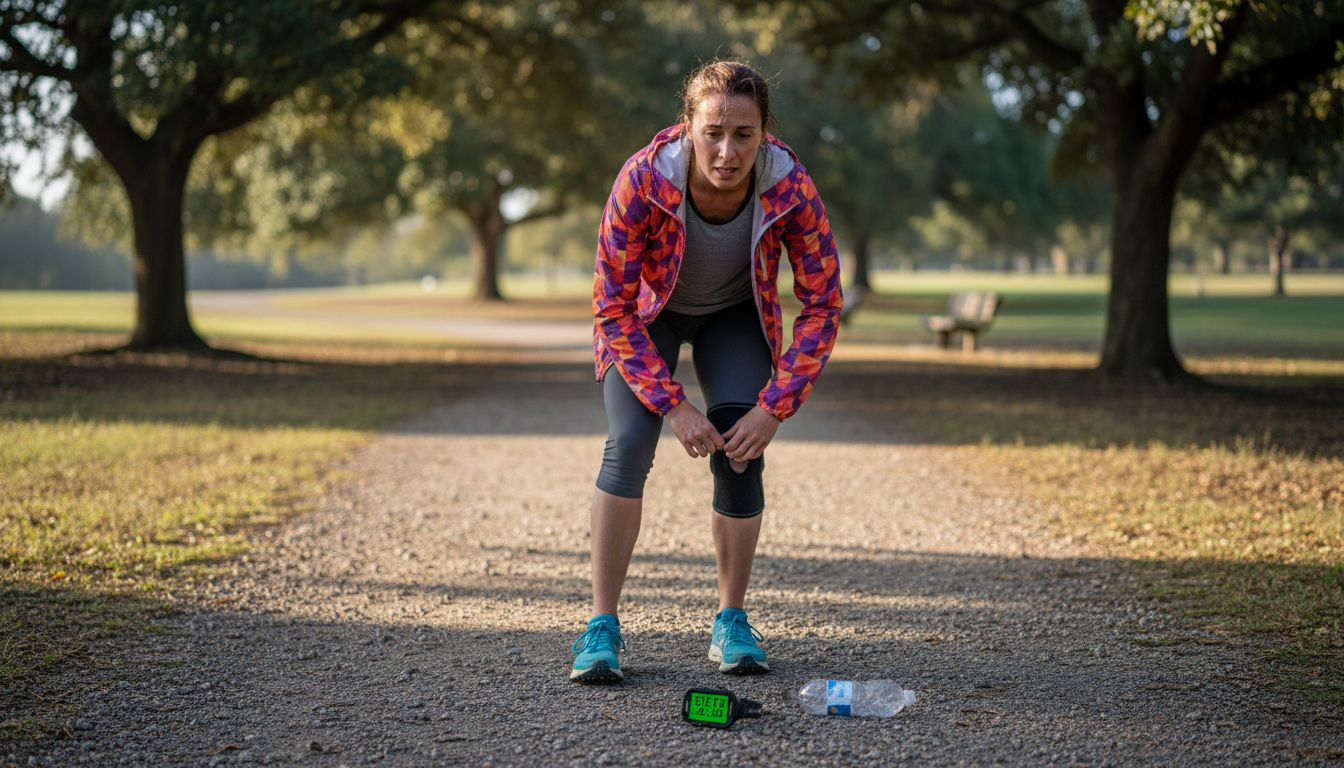
If you run regularly, you know knee discomfort can cut a great workout short or stop your training altogether. Deciding how much support your knees really need is confusing with all the options available and plenty of conflicting advice. The right approach depends on your pain levels, injury history, running technique, and how intense your training sessions are.
This guide will help you zero in on smart, research-backed ways to assess your knee support needs and protect your joints. You’ll discover practical strategies for choosing the right gear, building up supporting muscles, using recovery tools, and knowing when to refresh your equipment. Get ready to find specific tips that can make running feel more comfortable and keep your knees healthy with every mile.
Table of Contents
- 1. Assess Your Knee Support Needs
- 2. Choose the Right Knee Brace or Sleeve
- 3. Prioritize Proper Fit and Comfort
- 4. Incorporate Recovery Devices Post-Run
- 5. Strengthen Surrounding Muscles
- 6. Maintain Regular Knee Health Checks
- 7. Replace Worn-Out Support Gear on Time
Quick Summary
| Takeaway | Explanation |
|---|---|
| 1. Assess Individual Knee Needs | Understand personal knee support requirements based on previous injuries, biomechanics, and running style for optimal protection. |
| 2. Choose the Right Knee Support | Select between compression sleeves or stabilizing braces depending on your specific physical needs and injury history for effective support. |
| 3. Ensure Proper Fit | A well-fitting knee brace prevents discomfort and maximizes protection; incorrect sizing can lead to new issues during running. |
| 4. Incorporate Post-Run Recovery | Use recovery devices like cold therapy and compression to enhance healing, especially within the first 30 minutes after running. |
| 5. Monitor Support Gear Condition | Replace knee support when signs of wear appear, such as loss of elasticity or visible damage, to ensure ongoing protective capabilities. |
1. Assess Your Knee Support Needs
Runners face unique challenges when it comes to knee health and protection. Understanding your individual knee support requirements is the crucial first step in preventing injuries and maintaining peak performance.
Every runner’s body is different which means knee support needs vary dramatically. Factors like running intensity, previous injury history, biomechanics, and current pain levels all play critical roles in determining the right support strategy.
Key aspects to evaluate include:
- Current knee pain or discomfort levels
- History of previous knee injuries
- Running terrain and training intensity
- Personal running technique and biomechanical alignment
- Age and overall joint flexibility
researchers have found that specific knee support interventions can significantly reduce injury risks for runners. By systematically assessing your individual needs, you can select knee support that provides targeted protection and performance enhancement.
A comprehensive knee support assessment involves more than just choosing a brace. It requires understanding your body’s unique biomechanical profile and potential stress points during running. Professional runners and physiotherapists recommend a holistic approach that combines proper equipment selection with targeted strengthening exercises.
Your knee support strategy should be as unique as your running style.
To conduct an accurate self-assessment, consider consulting a sports physiotherapist who can provide detailed biomechanical analysis. They can help identify specific support requirements based on your running technique and joint mechanics.
Pro tip: Create a personal knee health journal tracking your running performance, any discomfort levels, and the effectiveness of different knee support strategies to refine your approach over time.
2. Choose the Right Knee Brace or Sleeve
Navigating the world of knee support requires understanding the nuanced differences between various brace and sleeve options. Not all knee protection is created equal and selecting the right solution can make a significant difference in your running performance and injury prevention.
Runners have multiple knee support options ranging from lightweight compression sleeves to robust hinged braces. Your selection should depend on several critical factors including your specific physical needs, running intensity, and injury history.
Key knee support categories include:
- Compression Sleeves: Provide mild support and improve circulation
- Stabilizing Braces: Offer additional lateral support for weak or recovering knees
- Hinged Braces: Deliver maximum joint protection and restrict harmful movements
- Patella Tracking Braces: Help align kneecap during running motions
When selecting knee protection strategies, runners must consider their unique biomechanical requirements. Different braces control knee movement with varying levels of restriction while maintaining essential mobility.
The right knee support acts like a personalized performance assistant for your joints.
Professional runners recommend consulting a sports physiotherapist to conduct a detailed biomechanical assessment. This helps identify precise support needs based on individual running mechanics and potential stress points.
Consider factors like material breathability, compression level, and design flexibility when making your selection. High quality knee supports should feel like a second skin providing support without restricting natural movement.
Pro tip: Always try on knee braces and sleeves before purchasing and perform dynamic movement tests to ensure optimal comfort and support during running.
3. Prioritize Proper Fit and Comfort
A knee brace or sleeve that doesn’t fit correctly is worse than no support at all. The perfect knee support should feel like a second skin seamlessly integrating with your running mechanics while providing targeted protection.
Runners often overlook the critical importance of precise fit when selecting knee support. An ill fitting brace can actually introduce new problems by causing chafing, restricting blood flow, or creating unnatural pressure points during movement.
Key fit considerations include:
- Precise measurement of knee circumference
- Material stretch and compression characteristics
- Seamless design to prevent skin irritation
- Breathability and moisture management
- Ability to maintain position during dynamic running motions
Unlike generic sizing approaches, runners need custom fit solutions that account for individual body mechanics. Your knee support should move with you not against you.
The right knee brace feels invisible while performing its protective function.
When trying on knee supports, perform dynamic movement tests. Walk lunges, squats, and short running movements to assess how the support performs under actual running conditions. Pay attention to whether the brace shifts during movement or maintains consistent positioning.
Materials matter significantly in comfort and performance. Look for moisture wicking fabrics with four way stretch that provide compression without cutting off circulation. Seamless construction reduces potential irritation points during long distance runs.
Pro tip: Measure your knee circumference in multiple positions (standing straight standing bent standing after light exercise) to ensure the most accurate and adaptive fit.
4. Incorporate Recovery Devices Post-Run
Running places significant stress on your knees and recovery is just as important as the workout itself. Smart runners understand that post-run recovery devices are crucial for maintaining joint health and preventing long term injuries.
Recovery is not optional it is a fundamental component of athletic performance. By implementing strategic recovery techniques runners can reduce inflammation accelerate healing and maintain peak physical condition.
Effective recovery devices include:
- Compression sleeves for inflammation reduction
- Cold therapy wraps and ice packs
- Vibration massage tools targeting knee muscles
- Infrared heat therapy devices
- Pneumatic compression systems
Researchers have demonstrated that post-run recovery interventions can significantly minimize injury risks and accelerate healing processes. These tools work by promoting blood circulation reducing muscle soreness and supporting natural recovery mechanisms.
Recovery is the silent partner in athletic performance.
Compression technology plays a particularly critical role in knee recovery. By applying graduated pressure these devices help reduce swelling minimize muscle oscillation and support lymphatic drainage. This means faster recovery and reduced downtime between training sessions.
Timing matters when using recovery devices. The first 30 minutes after running represent a critical window for implementing recovery strategies. Your body is most receptive to healing interventions during this period.
Pro tip: Create a consistent 15-minute post-run recovery routine that combines different devices like compression sleeves and cold therapy to maximize your body’s natural healing potential.
5. Strengthen Surrounding Muscles
Knee health is not just about the knee itself but the entire muscular ecosystem supporting joint function. Strong muscles around the knee create a protective network that absorbs impact and reduces potential injury risks during running.
Runners often overlook the critical role muscle strength plays in preventing knee problems. By strategically developing muscle groups that support knee mechanics runners can dramatically reduce their injury potential and improve overall performance.
Key muscle groups to target include:
- Quadriceps for front leg stability
- Hamstrings for posterior leg support
- Hip flexors for improved movement dynamics
- Calf muscles for shock absorption
- Glutes for overall lower body alignment
Researchers have documented that muscle stabilization strategies significantly reduce running related knee injuries. Targeted strength training transforms your legs from vulnerable to resilient.
Strong muscles are your body’s natural knee protection system.
Consistent strength training does more than prevent injuries. It enhances running economy making your movements more efficient and reducing unnecessary joint stress. Focus on exercises that mimic running movements like lunges squats and step ups.
Balance is key in muscle development. Avoid overemphasizing one muscle group which can create biomechanical imbalances. Incorporate both concentric and eccentric training techniques to develop comprehensive muscle functionality.
Pro tip: Integrate 20-minute targeted strength training sessions 2-3 times weekly focusing on multi joint exercises that engage multiple muscle groups simultaneously.
6. Maintain Regular Knee Health Checks
Running is a high impact sport that places tremendous stress on your knees. Proactive monitoring of knee health can mean the difference between continuous training and prolonged injury recovery.
Regular knee health assessments are not just for elite athletes but for every runner committed to long term performance and joint preservation. These check ups provide critical insights into your body’s biomechanical condition and potential emerging issues.
Key components of comprehensive knee health checks include:
- Professional biomechanical assessments
- Range of motion evaluations
- Strength and flexibility screenings
- Pain and inflammation tracking
- Running technique analysis
- Early detection of potential stress points
Researchers emphasize that ongoing knee function evaluation is crucial for preventing running related injuries. Early intervention strategies can dramatically reduce long term joint damage.
Prevention is always more effective than rehabilitation.
Consider scheduling quarterly assessments with sports physiotherapists who specialize in running biomechanics. These professionals can provide detailed insights into your unique movement patterns and recommend personalized interventions before minor issues become significant problems.
Technology now offers advanced diagnostic tools like motion capture analysis and comprehensive joint screening that provide unprecedented insights into your knee health. Leverage these resources to stay ahead of potential injuries.
Pro tip: Maintain a digital knee health journal documenting pain levels workout intensities and any discomfort to help healthcare professionals track your progress more effectively.
7. Replace Worn-Out Support Gear on Time
Knee support gear is not a lifetime investment but a critical piece of protective equipment that requires regular assessment and timely replacement. Just like running shoes your knee supports deteriorate with repeated use compromising their protective capabilities.
Runners often underestimate the importance of replacing knee support equipment before complete failure. Material fatigue can occur gradually reducing the effectiveness of compression and structural integrity needed for injury prevention.
Key signs indicating replacement needs include:
- Visible fabric thinning or threadbare areas
- Loss of original elasticity and compression
- Persistent sliding or misalignment during runs
- Reduced cushioning and shock absorption
- Visible material cracking or breakdown
- Decreased comfort during movement
Researchers emphasize that timely gear replacement strategies are crucial for maintaining optimal knee protection. Material degradation compromises performance.
Your knee support is only as good as its current condition.
Most knee supports have a recommended lifespan typically ranging between 6-12 months depending on usage intensity. High mileage runners might need more frequent replacements while casual runners can extend their gear’s functional life.
Consider tracking your knee support usage similar to monitoring running shoe mileage. Take notes on when you purchased each piece of equipment and observe its performance characteristics over time.
Pro tip: Photograph your knee supports quarterly to visually track material degradation and set replacement reminders based on their visible condition and your training intensity.
Below is a comprehensive table summarizing the main knee support strategies discussed in the article.
| Aspect | Strategy | Details |
|---|---|---|
| Assessing Needs | Evaluate Personal Requirements | Consider running intensity, prior injuries, biomechanics, age, and pain levels. |
| Selecting Supports | Choose Suitable Braces/Sleeves | Options include compression sleeves, stabilizing braces, hinged braces, and patella tracking supports. |
| Fitting and Comfort | Ensure Proper Fit | Measure accurately, check material properties, and perform movement tests. |
| Recovery | Utilize Post-Run Devices | Apply compression, cold therapy, or vibration tools and follow a consistent recovery routine. |
| Strength Training | Target Surrounding Muscles | Focus on quadriceps, hamstrings, glutes, hip flexors, and calves for enhanced support. |
| Regular Health Checks | Monitor Knee Condition | Conduct periodic biomechanical assessments and maintain a health journal. |
| Replacing Gear | Update Equipment as Needed | Replace worn-out knee supports and track their condition for optimal performance. |
Protect Your Knees With Professional Support Tailored for Runners
Addressing knee pain and injury prevention is vital for every runner. This article highlights the importance of choosing the right knee brace, ensuring a proper fit, and incorporating recovery devices to maintain peak performance and avoid setbacks. If you want to support your knees with proven solutions like orthopedic braces, compression sleeves, and recovery tools designed to reduce inflammation and enhance healing, KneeSolution offers exactly what you need.
Explore our range of Knee Pads & Braces featuring adjustable straps and non-slip designs that provide stability and comfort during intense runs. Combine them with advanced Knee Recovery Devices such as heated knee massagers and cold gel packs to speed up post-run recovery. Start protecting your joints today and experience the difference yourself. Visit KneeSolution now and take the first step toward stronger, healthier knees.
Frequently Asked Questions
How do I assess my knee support needs as a runner?
To assess your knee support needs, evaluate factors like your current knee pain, injury history, running terrain, and personal biomechanics. Consider conducting a self-assessment or consulting with a sports physiotherapist to gain insights into your specific support requirements.
What types of knee braces or sleeves should I consider?
Consider the type of knee support you need based on your running intensity and injury history. Options include compression sleeves for mild support, stabilizing braces for extra lateral support, and hinged braces for maximum protection. Identify which type aligns best with your personal needs and running style.
Why is proper fit and comfort important in knee supports?
Proper fit and comfort are crucial because an ill-fitting knee brace can cause new problems, such as chafing or restricted blood flow. Ensure you measure your knee correctly and perform dynamic tests to find a brace that feels secure and comfortable while allowing full movement.
How can I utilize recovery devices after running?
Utilize recovery devices, such as compression sleeves or ice packs, within the first 30 minutes after your run to effectively reduce inflammation and promote healing. Develop a consistent post-run recovery routine that incorporates these devices to maximize your body’s recovery potential.
Which muscle groups should I focus on strengthening to support knee health?
Focus on strengthening key muscle groups, including the quadriceps, hamstrings, hip flexors, calf muscles, and glutes, to create a protective network around your knees. Incorporate targeted exercises like lunges and squats into your training regimen two to three times per week to enhance muscle stability and support.
How often should I conduct knee health checks?
Conduct comprehensive knee health checks quarterly to monitor your joint condition and detect any emerging issues early. Include assessments of your range of motion and running technique, as this proactive approach helps maintain long-term joint health.
