

Blog
Adjustable Knee Brace: Support, Relief, and Performance

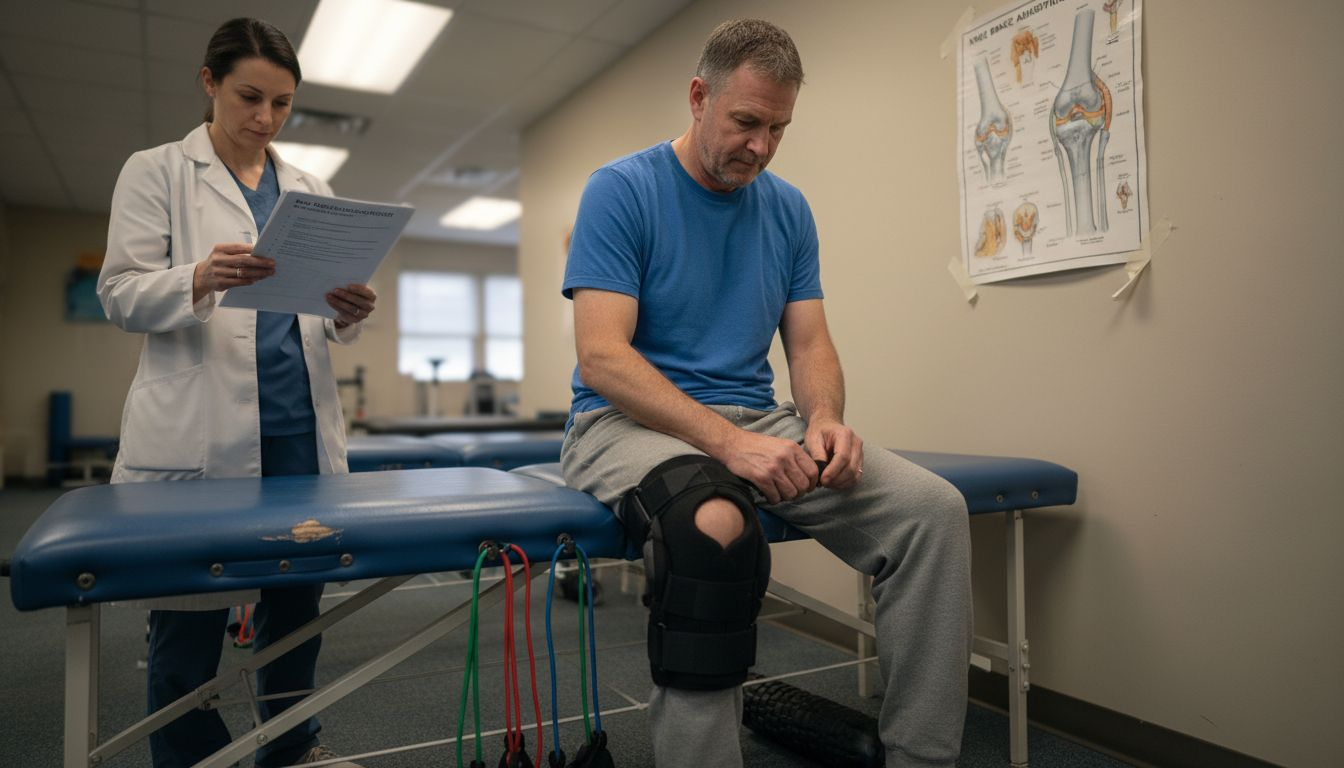
Intense marathon training often leads runners to face unexpected knee pain that can threaten months of preparation. For athletes in France, finding reliable support becomes crucial as race day approaches. Adjustable knee braces offer customizable compression and stability, helping to manage discomfort, prevent injury, and promote joint alignment through innovative strap and hinge features. Discover how these specialized devices adapt to the demands of runners and provide targeted protection during every stride.
Table of Contents
- What Is An Adjustable Knee Brace?
- Types Of Adjustable Knee Braces Explained
- How Adjustable Knee Braces Work
- Essential Features And Proper Fit
- Risks, Limitations, And Best Practices
- Comparing Knee Braces With Other Supports
Key Takeaways
| Point | Details |
|---|---|
| Adjustable Knee Braces Offer Versatility | These braces provide customizable support for a range of knee conditions, from sports injuries to chronic issues, allowing for tailored compression and stability. |
| Types of Braces Address Specific Needs | Various categories of adjustable knee braces exist, including prophylactic, functional, rehabilitative, unloader, and patellofemoral braces, each designed for distinct purposes. |
| Proper Fit is Crucial for Effectiveness | A knee brace must fit snugly without restricting circulation; accurate measurements should be taken, especially when swelling is minimal. |
| Consult Healthcare Professionals | It’s essential to seek professional advice when selecting a knee brace to ensure it meets your individual medical and activity requirements. |
What Is an Adjustable Knee Brace?
An adjustable knee brace is a specialized medical support device designed to stabilize, protect, and enhance knee joint performance. These innovative braces provide targeted compression and customizable support for individuals managing various knee conditions, from athletic injuries to chronic joint challenges.
The primary features of adjustable knee braces include:
- Customizable strap systems for personalized fit
- Adjustable compression levels
- Flexible hinged or rigid support structures
- Targeted pain relief mechanisms
- Improved joint alignment and stability
Modern knee braces are engineered to address multiple functional needs. Medical professionals recommend these devices for conditions ranging from osteoarthritis to sports-related injuries. They work by providing strategic support that helps reduce strain, minimize excessive movement, and promote proper knee mechanics during physical activities.
Unlike traditional static braces, adjustable knee braces offer dynamic support that can be modified based on individual requirements. Athletes, rehabilitation patients, and individuals managing chronic knee conditions can benefit from these adaptable devices that provide targeted compression and stabilization.
Pro tip: Always consult a healthcare professional to determine the most appropriate knee brace design for your specific condition and activity level.
Types of Adjustable Knee Braces Explained
Adjustable knee braces are sophisticated medical devices designed to provide targeted support for various knee conditions and activity levels. Knee brace types vary significantly depending on specific functional requirements and medical needs.
The primary categories of adjustable knee braces include:
- Prophylactic Braces: Designed for injury prevention during high-impact sports
- Functional Braces: Provide support for existing knee injuries
- Rehabilitative Braces: Control movement during post-injury healing
- Unloader Braces: Redistribute weight to reduce pain in arthritic joints
- Patellofemoral Braces: Stabilize and align the kneecap during movement
Each type of knee brace offers unique features and benefits. Functional braces, for instance, are engineered to support unstable knees during athletic activities, featuring adjustable straps and hinges that allow for customized compression and movement control. These braces are particularly beneficial for athletes recovering from ligament injuries or seeking additional joint protection.
The advanced design of modern adjustable knee braces allows for unprecedented levels of personalization. Athletes, rehabilitation patients, and individuals managing chronic knee conditions can now access support systems that adapt to their specific movement patterns, pain levels, and recovery stages.
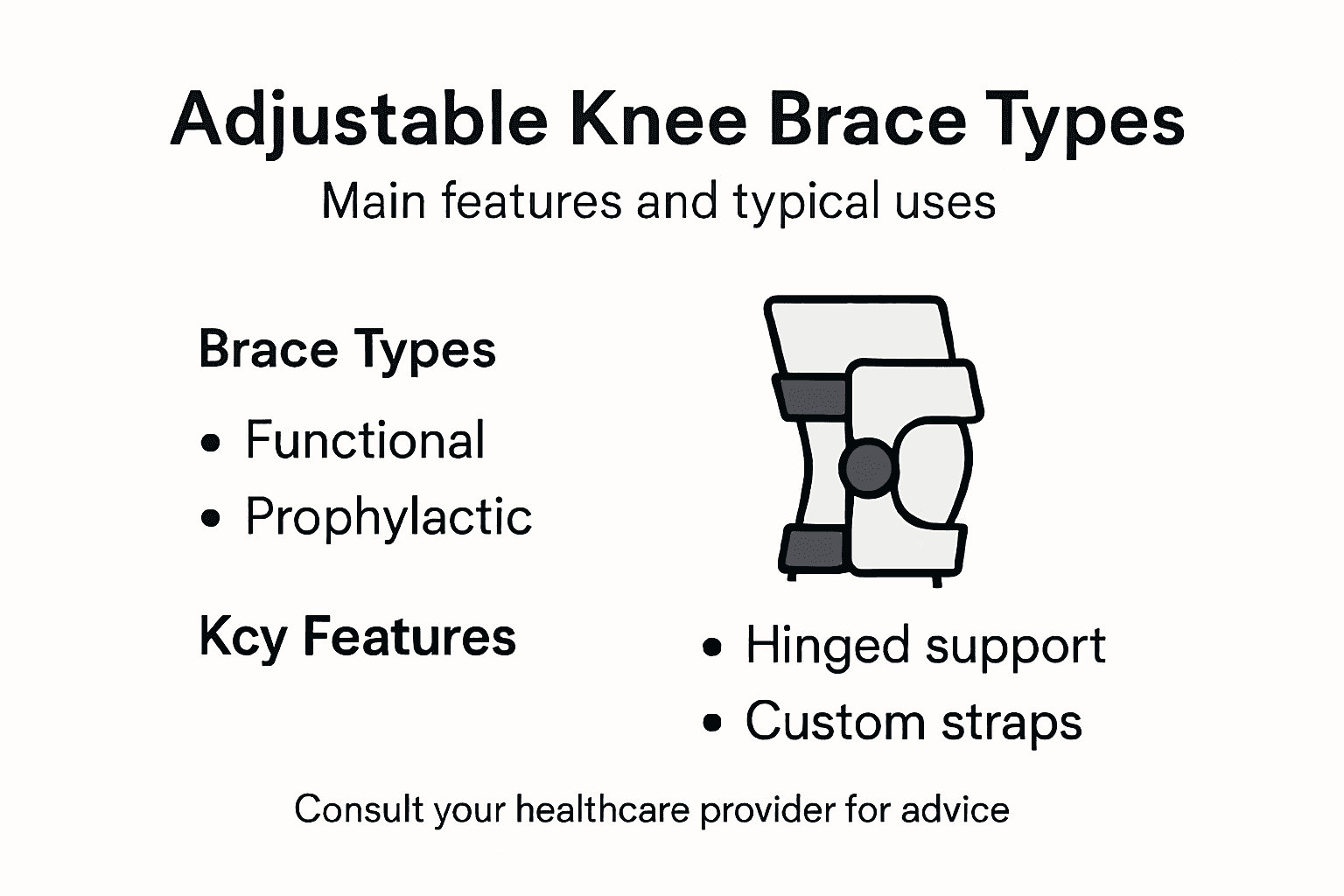
Here’s a comparison of different types of adjustable knee braces and their ideal uses:
| Brace Type | Primary Purpose | Typical Users |
|---|---|---|
| Prophylactic | Prevent sports injuries | Football, basketball players |
| Functional | Support injured knees | Ligament injury patients |
| Rehabilitative | Control post-injury movement | Post-surgery patients |
| Unloader | Relieve arthritis pain | Osteoarthritis sufferers |
| Patellofemoral | Align and stabilize kneecap | Runners with patella issues |
Pro tip: Consult a healthcare professional to determine the most appropriate knee brace type for your specific condition and activity level.
How Adjustable Knee Braces Work
Modern knee brace technologies utilize sophisticated biomechanical principles to provide targeted support and protection for the knee joint. These advanced devices go beyond simple compression, offering dynamic stabilization that adapts to the user’s specific movement patterns and medical needs.
The core mechanisms of adjustable knee braces include:
- Pressure Redistribution: Redirecting weight away from painful or damaged joint areas
- Range of Motion Control: Using adjustable hinges to limit harmful movements
- Compression Stabilization: Providing targeted support to ligaments and soft tissues
- Proprioceptive Enhancement: Improving joint awareness and neuromuscular feedback
- Inflammation Reduction: Minimizing swelling through strategic compression
Adjustable straps and hinged designs are the primary engineering features that make these braces so effective. By allowing users to customize the level of support, these braces can address a wide range of conditions – from minor sports injuries to chronic joint instability. The intricate design helps protect vulnerable knee structures while promoting natural movement and healing.

Athletes and individuals with knee conditions benefit significantly from the personalized support these braces provide. The ability to modify compression, adjust hinge tension, and target specific areas of weakness makes adjustable knee braces a versatile solution for joint protection and recovery.
Pro tip: Regularly check and adjust your knee brace’s straps and tension to maintain optimal support and comfort during activities.
Essential Features and Proper Fit
Knee brace fitting requires careful consideration of multiple factors to ensure optimal support and comfort. The right knee brace can dramatically improve performance and recovery, but only when selected and worn correctly.
Key features to evaluate in an adjustable knee brace include:
- Adjustable Straps: Enables personalized compression and support
- Breathable Materials: Prevents skin irritation during extended wear
- Anatomical Design: Conforms to natural knee movement patterns
- Hinge Mechanisms: Allows controlled range of motion
- Moisture-Wicking Fabric: Manages sweat and prevents chafing
Measurement is critical for finding the perfect knee brace. Most manufacturers recommend taking precise thigh and calf circumference measurements to ensure a proper fit. A well-fitted brace should feel snug but not restrictive, maintaining consistent position during movement without cutting off circulation or causing discomfort.
Different activities and medical conditions require specific brace characteristics. Athletes might need more flexible support, while rehabilitation patients may require more rigid stabilization. Understanding your specific needs helps select a brace with the right balance of compression, movement control, and comfort.
Pro tip: Measure your knee and leg circumference in the morning when swelling is minimal to get the most accurate sizing for your knee brace.
Risks, Limitations, and Best Practices
Knee brace usage requires careful understanding of potential risks and appropriate application strategies. While these supportive devices offer significant benefits, they are not universal solutions and must be used with informed consideration.
Potential risks associated with knee brace usage include:
- Muscle Weakness: Prolonged dependency can reduce natural muscle strength
- Skin Irritation: Improper fit may cause chafing or allergic reactions
- Circulation Restrictions: Overly tight braces can impede blood flow
- False Sense of Security: May lead to overexertion or risky physical activities
- Psychological Dependence: Can create unnecessary anxiety about joint stability
Best practices for knee brace usage emphasize a holistic approach to joint health. Rehabilitation professionals recommend integrating braces with targeted strengthening exercises, maintaining proper fit, and avoiding continuous, long-term use. The goal is to support recovery and performance without creating mechanical dependency or masking underlying joint issues.
Individuals should view knee braces as temporary support tools rather than permanent solutions. Regular consultation with healthcare providers, periodic reassessment of brace effectiveness, and complementary physical therapy can maximize benefits while minimizing potential negative outcomes.
Pro tip: Rotate between using your knee brace and performing targeted strengthening exercises to maintain natural muscle function and joint stability.
Comparing Knee Braces With Other Supports
Knee support technologies differ significantly in their design, functionality, and therapeutic objectives. Understanding these distinctions helps individuals select the most appropriate solution for their specific joint health needs.
Common knee support alternatives include:
- Compression Sleeves: Provide light support and improve circulation
- Elastic Wraps: Offer basic compression and minimal stabilization
- Orthotic Insoles: Redistribute lower body weight and reduce joint stress
- Taping Techniques: Temporary joint support using athletic or kinesiology tape
- Knee Cushions: Provide padding and shock absorption
Unlike simpler supports, adjustable knee braces offer more comprehensive joint protection. They feature advanced structural elements like hinges and adjustable straps that control movement, redistribute weight, and provide targeted support for specific knee conditions. Compression sleeves, in contrast, primarily offer warmth and mild compression without significant mechanical intervention.
The selection of knee support depends on individual factors such as injury severity, activity level, and specific medical requirements. Professional athletes and individuals with chronic knee conditions often require more sophisticated bracing solutions that provide dynamic stability and precise movement control.
This table outlines the key differences between adjustable knee braces and other common knee supports:
| Support Type | Support Level | Recommended Scenario |
|---|---|---|
| Adjustable Knee Brace | Moderate to maximum | Joint instability, post-injury support |
| Compression Sleeve | Light | Mild discomfort, daily activity |
| Elastic Wrap | Basic | Minor swelling, short-term use |
| Orthotic Insole | Indirect load help | Alignment and gait correction |
| Taping Techniques | Temporary & specific | Athletic events, short-term relief |
Pro tip: Consult a sports medicine professional to determine the most appropriate knee support for your specific activity and physical condition.
Discover Customized Knee Support Solutions for Lasting Relief and Enhanced Performance
If you are seeking effective ways to stabilize your knee, reduce pain, or prevent injury, adjustable knee braces offer solutions that adapt to your unique needs. The article highlights challenges such as improper fit, the need for dynamic support, and minimizing risks like muscle weakness or skin irritation. At KneeSolution, we understand these concerns and provide professional-grade Knee Pads & Braces designed with adjustable straps, breathable materials, and ergonomic designs to fit comfortably and support your recovery or athletic goals.
Take control of your knee health today by choosing targeted support that moves with you. Visit KneeSolution to explore advanced knee braces and complementary recovery devices that combine compression, heat therapy, and stabilization tailored to your condition. Experience the confidence and comfort you deserve—shop now and start moving pain-free.
Frequently Asked Questions
What is an adjustable knee brace?
An adjustable knee brace is a medical support device designed to stabilize, protect, and enhance knee joint performance, providing targeted compression and customizable support for various knee conditions.
How do adjustable knee braces work?
Adjustable knee braces utilize biomechanical principles to provide support. They redistribute pressure, control range of motion, offer compression stabilization, enhance proprioception, and reduce inflammation, adapting to the user’s specific needs.
What are the different types of adjustable knee braces?
The main types of adjustable knee braces include prophylactic braces, functional braces, rehabilitative braces, unloader braces, and patellofemoral braces, each designed for specific purposes such as injury prevention, support, movement control, and pain relief.
What should I consider when fitting an adjustable knee brace?
When fitting an adjustable knee brace, consider features like adjustable straps, breathable materials, anatomical design, hinge mechanisms, and moisture-wicking fabric. Proper measurement of thigh and calf circumference is essential for optimal support and comfort.
