

Blog
Adjustable Knee Straps: Injury Prevention for Runners

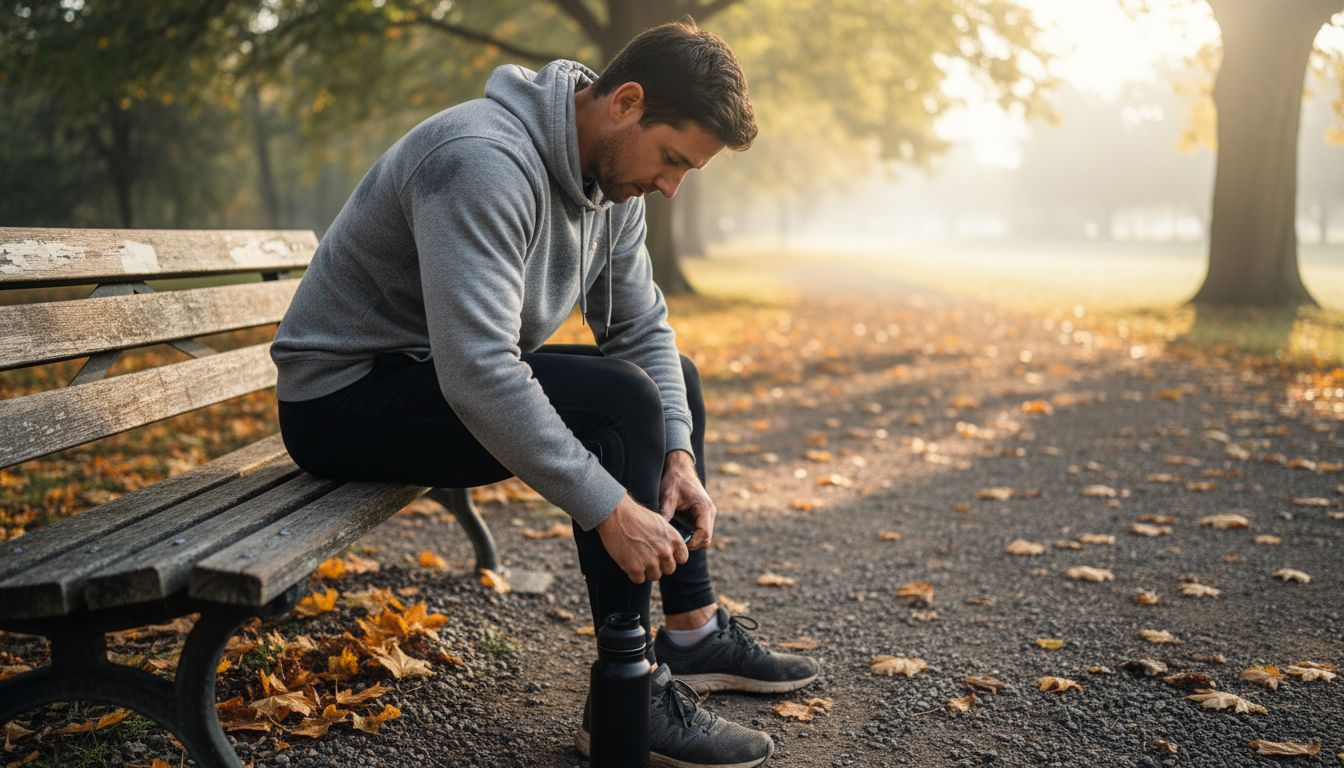
Many European runners know the frustration of knee discomfort slowing down progress on their favorite trails and city streets. Knee pain can turn training for Berlin, Paris, or London marathons into a challenge, making every step feel risky. Adjustable knee straps offer targeted support and customizable fit, helping athletes find relief and injury prevention. In this guide, you’ll discover how strategic joint support and the latest strap designs can make your runs more comfortable and help protect your knees long term.
Table of Contents
- Adjustable Knee Straps Defined and Debunked
- Main Types of Knee Straps Explained
- How Adjustable Straps Prevent Knee Injuries
- Key Features for Athletic Performance and Comfort
- Risks, Drawbacks, and Common Mistakes
- Comparing Alternatives to Knee Straps
Key Takeaways
| Point | Details |
|---|---|
| Understanding Functionality | Adjustable knee straps provide targeted support that focuses on specific knee areas to alleviate discomfort during running. |
| Selecting the Right Strap Type | Different types of knee straps serve unique biomechanical purposes, making it essential to choose one that addresses individual needs and movement patterns. |
| Complementing with Training | Knee straps should be used as supplementary tools alongside proper training and strength conditioning for optimal injury prevention and performance. |
| Avoiding Common Mistakes | Runners must ensure proper fit and avoid over-reliance on straps to prevent complications and maintain effective biomechanical performance. |
Adjustable Knee Straps Defined and Debunked
Adjustable knee straps represent targeted compression devices designed to provide targeted support and stability for runners experiencing knee discomfort or potential injury risks. Unlike traditional knee braces, these specialized straps focus on precise pressure management around specific knee regions, helping athletes manage biomechanical stress during high-impact activities.
The fundamental purpose of adjustable knee straps involves strategic joint support through carefully engineered compression mechanisms. Biomechanical research reveals that these devices can effectively redistribute mechanical loads, reducing strain on vulnerable ligaments and tendons during running movements. Key features typically include:
- Customizable tension settings
- Precision-engineered compression zones
- Lightweight, breathable materials
- Adaptable fit for different body types
- Targeted pressure point management
Runners often misunderstand knee straps, believing they provide universal protection or instant injury resolution. In reality, these tools represent supplementary support mechanisms that work best when combined with proper training techniques, strength conditioning, and individual biomechanical awareness. Effective knee strap usage requires understanding your specific anatomical needs and potential movement limitations.
Pro tip: Consult a sports physiotherapist to determine the most appropriate knee strap configuration for your unique running biomechanics and injury prevention strategy.
Main Types of Knee Straps Explained
Adjustable knee straps are not a one-size-fits-all solution, but rather a diverse category of supportive devices engineered to address specific running-related knee challenges. Comprehensive research categorizes these straps into distinct functional types designed to meet different athletic needs and injury prevention strategies.
The primary types of knee straps for runners include:
- Patellofemoral Straps: Designed to reduce kneecap tracking issues and alleviate pain around the front of the knee
- Patellar Tendon Straps: Specifically target tendon stress and redistribute mechanical loads during high-impact activities
- Iliotibial Band Compression Straps: Help manage lateral knee pain and reduce friction during running
- Multi-Zone Compression Straps: Provide comprehensive support across multiple knee regions
- Prophylactic Support Straps: Focus on preventing potential injuries before they occur
Each knee strap type serves a unique biomechanical purpose, addressing specific movement patterns and potential stress points encountered by runners. The effectiveness of these straps depends not just on their design, but on precise placement, tension adjustment, and individual anatomical considerations. Runners should view these devices as intelligent support mechanisms that work in harmony with their body’s natural movement dynamics.
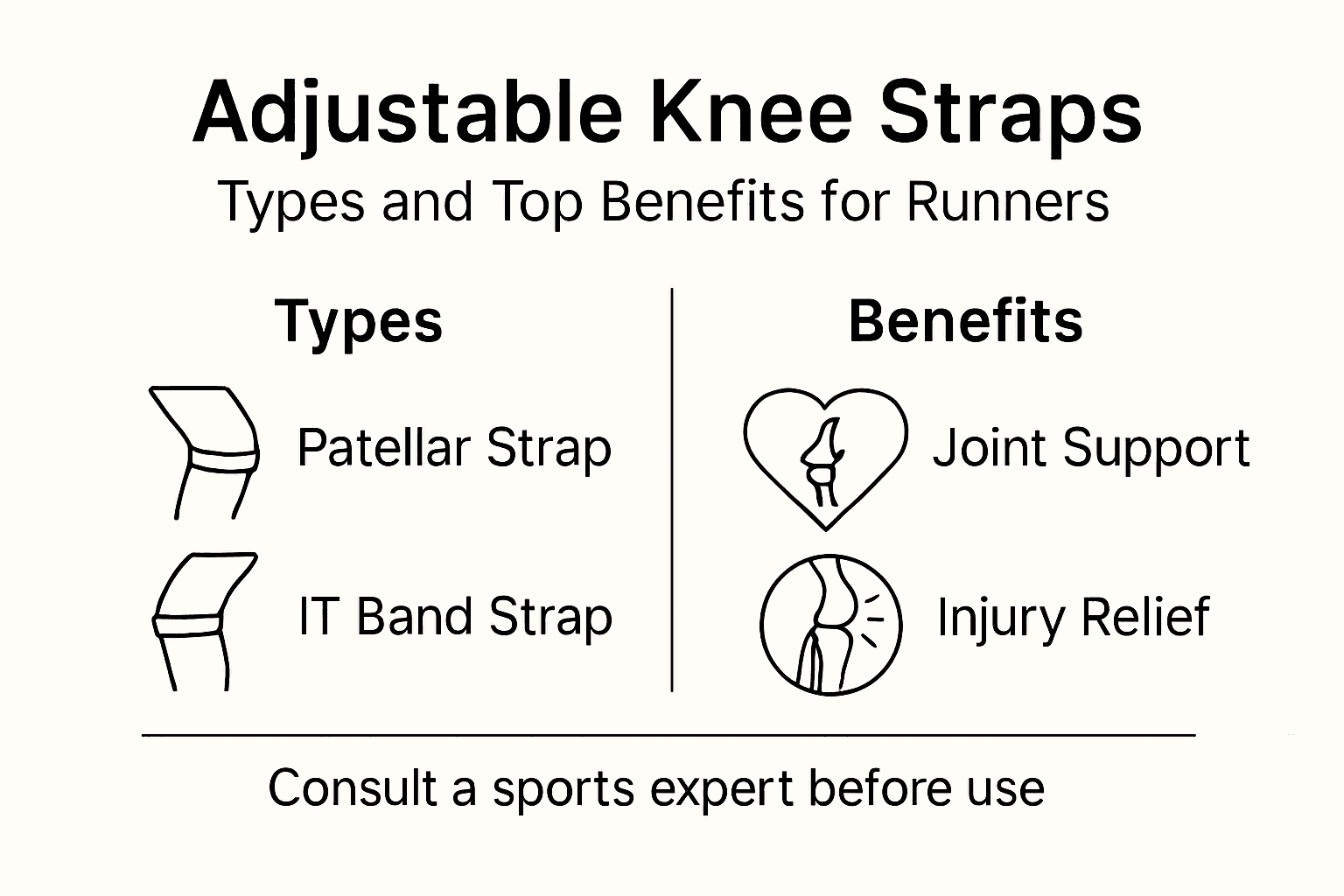
Here’s a summary comparing the main knee strap types and their intended benefits:
| Strap Type | Targeted Area | Primary Purpose | Ideal For |
|---|---|---|---|
| Patellofemoral | Front of knee | Improves patella tracking | Runners with kneecap pain |
| Patellar Tendon | Tendon below kneecap | Reduces tendon overload | High-impact athletics |
| IT Band Compression | Lateral knee | Minimizes friction and pain | Distance runners |
| Multi-Zone Compression | Entire knee region | Broad support and stability | Multi-sport athletes |
| Prophylactic Support | General knee | Prevents injury occurrence | Injury-prone individuals |
Pro tip: Rotate between different knee strap types during training to prevent muscle adaptation and maintain optimal support mechanisms.
How Adjustable Straps Prevent Knee Injuries
Runners face complex biomechanical challenges that can lead to persistent knee injuries, making preventative support crucial for long-term athletic performance. Advanced research demonstrates how adjustable knee straps play a critical role in mitigating injury risks by modifying movement patterns and providing targeted biomechanical intervention.
The primary mechanisms of injury prevention through adjustable knee straps include:
- Mechanical Load Redistribution: Redirecting stress away from vulnerable knee structures
- Joint Alignment Correction: Improving tracking and reducing abnormal motion
- Proprioceptive Feedback: Enhancing neuromuscular awareness during running
- Compression-Induced Stability: Reducing lateral and rotational knee movements
- Tendon Stress Management: Minimizing potential overuse and repetitive strain
By strategically applying pressure and providing external support, these straps create a dynamic stabilization system that works in concert with the runner’s natural biomechanics. The key is not just passive support, but active intervention that guides and optimizes movement patterns. Different strap designs target specific mechanical weaknesses, allowing runners to address individual movement irregularities that could potentially lead to chronic knee issues.
Pro tip: Consult a sports biomechanics specialist to identify your unique movement patterns and select the most appropriate knee strap configuration for your running style.
Key Features for Athletic Performance and Comfort
Athletic knee straps represent more than simple compression devices; they are sophisticated performance enhancement tools designed to optimize runner biomechanics. Advanced textile research reveals critical features that transform these accessories from basic support mechanisms to precision athletic instruments.
Key performance and comfort features include:
- Ergonomic Design: Contoured shapes that follow natural knee movement patterns
- Breathable Materials: Moisture-wicking fabrics preventing skin irritation
- Adjustable Tension Mechanisms: Customizable compression levels for individual comfort
- Lightweight Construction: Minimizing additional weight during running
- Dynamic Flexibility: Allowing natural joint range of motion
- Sweat-Resistant Technology: Maintaining structural integrity during intense workouts
The intersection of comfort and performance emerges through intelligent design principles that balance support with unrestricted movement. Modern knee straps integrate advanced materials and biomechanical insights, creating a symbiotic relationship between the runner’s body and the supportive device. By focusing on personalized fit and responsive design, these straps transform from passive accessories to active performance optimization tools.
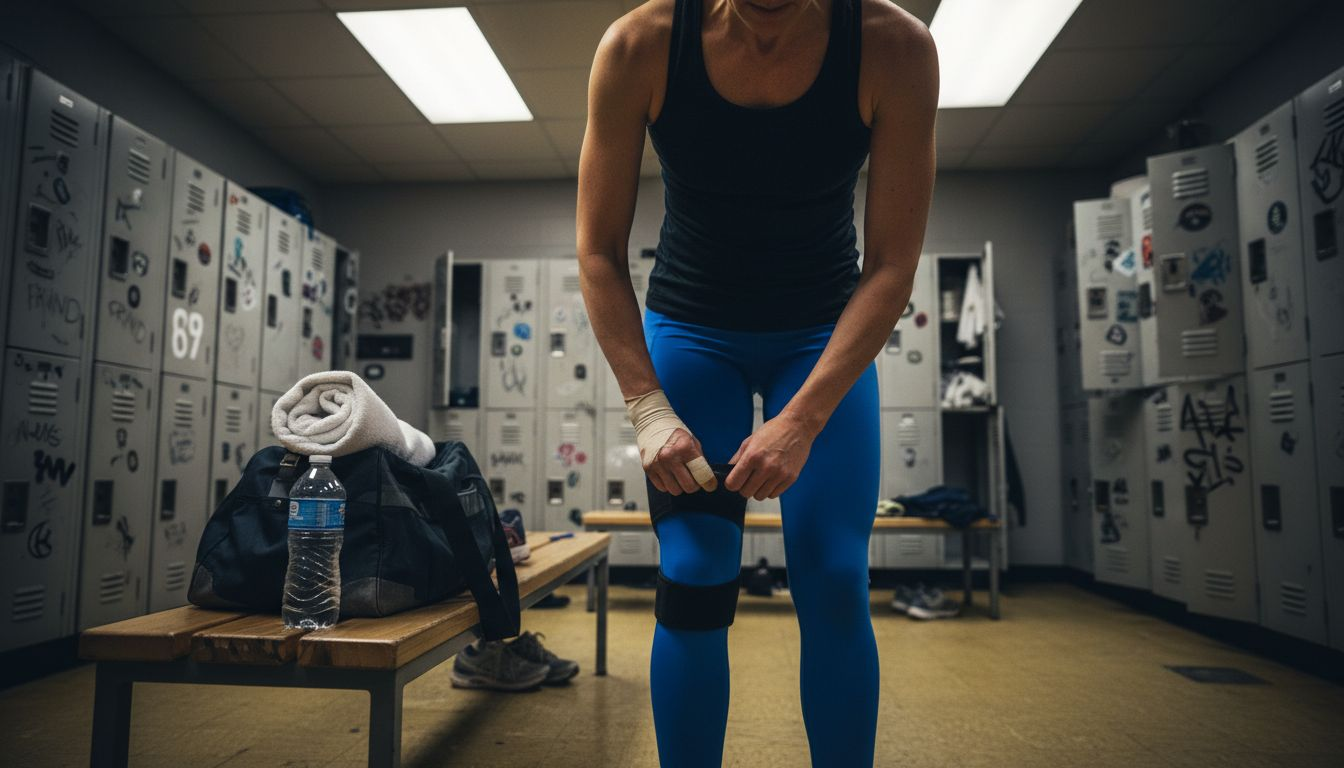
Pro tip: Select knee straps with moisture-wicking properties and test multiple tension settings to find your optimal support configuration.
Risks, Drawbacks, and Common Mistakes
Knee straps, while beneficial, are not infallible solutions for runners seeking injury prevention. Research highlighting potential risks reveals critical considerations that athletes must understand to avoid potential complications and maximize their effectiveness.
Common mistakes runners make with knee straps include:
- Improper Fit: Using straps that are too tight or too loose
- Incorrect Placement: Positioning straps in non-optimal locations
- Over-Reliance: Depending solely on straps instead of addressing underlying muscle weaknesses
- Neglecting Technique: Assuming straps can compensate for poor running mechanics
- Inconsistent Maintenance: Failing to replace worn or stretched straps
- Ignoring Pain Signals: Continuing to use straps when experiencing persistent discomfort
The most significant risk emerges from treating knee straps as a magical solution rather than a complementary support tool. Runners must recognize that these devices are designed to assist, not replace, proper training, strength conditioning, and biomechanical awareness. Overconfidence in knee straps can lead to muscle dependence, reduced proprioception, and potentially increased injury risk if used without a comprehensive approach to athletic performance.
Pro tip: Rotate knee straps regularly and combine their use with targeted strength training to prevent muscle adaptation and maintain comprehensive knee support.
Comparing Alternatives to Knee Straps
Knee injury prevention extends far beyond single-solution approaches, requiring runners to consider comprehensive strategies. Systematic research explores multiple interventions that can complement or potentially replace traditional adjustable knee straps.
Alternative approaches for runners include:
- Running Technique Retraining: Addressing biomechanical inefficiencies that contribute to knee stress
- Targeted Strength Training: Building muscle groups supporting knee stability
- Dynamic Orthoses: Custom-designed support systems matching individual movement patterns
- Proprioceptive Exercise Programs: Enhancing neuromuscular control and joint awareness
- Biomechanical Feedback Technologies: Real-time movement analysis and correction
- Progressive Flexibility Routines: Improving joint mobility and reducing injury potential
Each alternative offers unique benefits, but the most effective approach typically involves integrated strategies rather than relying exclusively on any single method. Runners should view knee protection as a holistic process involving technique, conditioning, and intelligent support mechanisms. The goal is not just preventing injuries, but optimizing overall athletic performance and movement efficiency.
This table contrasts knee straps and alternative prevention methods for runners:
| Approach | How It Works | Performance Impact | Best Use Scenario |
|---|---|---|---|
| Knee Straps | External compression support | Enhances alignment, reduces strain | Acute discomfort during workouts |
| Strength Training | Muscle development around joints | Boosts stability and resilience | Long-term injury prevention |
| Technique Retraining | Gait optimization | Decreases unjust knee stress | Chronic biomechanical issues |
| Dynamic Orthoses | Custom-fitted devices | Tailored movement correction | Severe or unique anatomical needs |
Pro tip: Consult a sports physiotherapist to develop a personalized injury prevention strategy combining multiple approaches tailored to your specific running biomechanics.
Protect Your Knees with Professional-Grade Support and Recovery Solutions
Runners who face knee pain or injury risks know that targeted support like adjustable knee straps can make a crucial difference in relief and prevention. The article highlights key challenges such as mechanical load redistribution and joint alignment correction, which require precise compression and stability. If you want to go beyond basic knee straps and invest in trusted, multi-functional knee protection designed for athletes and active individuals, KneeSolution offers expert-curated products to keep you moving strong.
Discover our range of Knee Pads & Braces designed for customized fit and durable support during intense physical activity. Complement your injury prevention strategy with our advanced Knee Recovery Devices, featuring hot-cold therapy and vibration technology to accelerate healing and relieve inflammation. Combine comfort, performance, and evidence-based protection crafted to suit your unique needs. Don’t wait until pain stops you take control of your knee health today at KneeSolution.
Frequently Asked Questions
What are adjustable knee straps and how do they work?
Adjustable knee straps are compression devices designed to provide targeted support and stability for runners. They work by applying precise pressure around specific areas of the knee, redistributing mechanical loads and reducing strain on ligaments and tendons during high-impact activities.
How can knee straps help in injury prevention for runners?
Knee straps help prevent injuries by redistributing mechanical loads, improving joint alignment, enhancing proprioceptive feedback, and providing stability. By creating a dynamic stabilization system, they guide movement patterns, allowing runners to minimize stress on vulnerable knee structures.
What types of adjustable knee straps are available?
There are several types of adjustable knee straps, including patellofemoral straps for kneecap tracking issues, patellar tendon straps for tendon stress, iliotibial band compression straps for lateral knee pain, multi-zone compression straps for comprehensive support, and prophylactic support straps to prevent injuries before they occur.
What should I consider when using adjustable knee straps?
When using adjustable knee straps, ensure a proper fit to avoid issues of being too tight or loose. Position straps correctly, avoid over-reliance on them, and combine their use with proper training techniques and strength conditioning to maximize their effectiveness and prevent potential injuries.
