

Blog
Gel Patella Pads: Essential Knee Relief for Runners

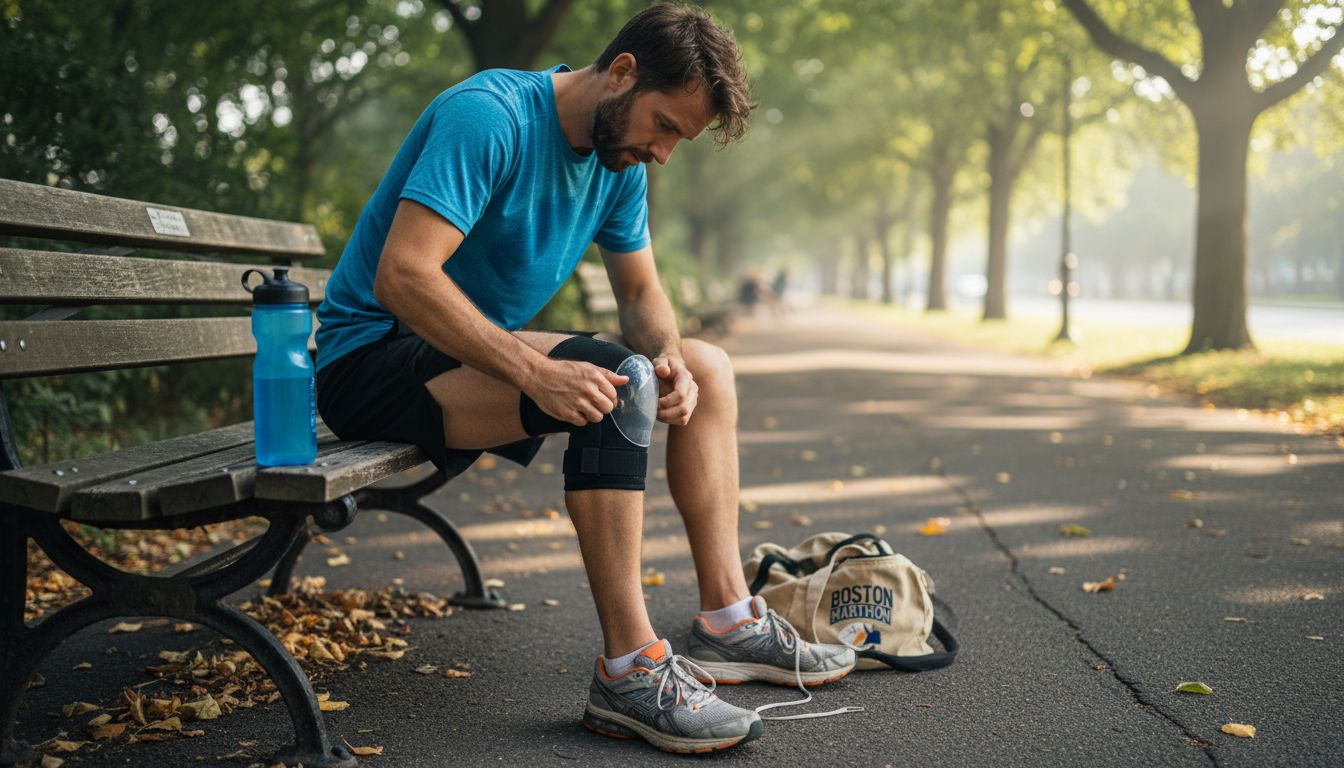
Running through the winding streets of Paris is a thrill, but nagging knee discomfort can quickly steal your momentum. For many recreational runners, chasing personal goals or simply enjoying the city’s iconic parks, finding a solution that actually eases pain and supports your kneecap truly matters. Gel patella pads offer targeted relief by cushioning the kneecap, reducing friction, and absorbing the impact forces of every stride—all while helping you stay active, confident, and on track with your training.
Table of Contents
- What Are Gel Patella Pads And How They Work
- Main Types Of Gel Patella Pads For Knees
- Key Benefits For Runners And Athletes
- Using Gel Pads Safely And Effectively
- Risks, Drawbacks, And Alternative Solutions
Key Takeaways
| Point | Details |
|---|---|
| Targeted Support | Gel patella pads offer localized compression to stabilize the kneecap, focusing on pain relief during athletic activities. |
| Enhanced Performance | The combination of distributed pressure relief, compression support, and vibration dampening improves running comfort and can prevent pain development. |
| Material Matters | High-quality gel compounds and proper padding enhance durability and effectiveness, ensuring longer-lasting performance. |
| Integrated Approach | Gel pads should be part of a broader knee care strategy, including physical therapy and strength training for optimal results. |
What Are Gel Patella Pads and How They Work
Gel patella pads are localized compression support devices designed specifically to protect and stabilize your kneecap during running and athletic activity. Unlike full knee braces that wrap around your entire leg, gel pads focus directly on the patella (kneecap) area, providing targeted relief where you need it most. The gel material conforms to your knee’s natural contours, creating a cushioning layer that absorbs impact forces generated with each stride.
The science behind gel pads centers on lubrication and shock absorption. Your knee joint naturally contains synovial fluid that acts as a biological lubricant, reducing friction between bones and cushioning movement. When you run consistently or experience knee stress, this fluid can become depleted, leading to pain and instability. Viscosupplementation treatments use hyaluronic acid gel to restore that lubrication internally, but external gel pads work similarly by providing external support that reduces compensatory stress on the joint itself.
How Gel Pads Reduce Pain and Improve Performance
When you wear gel patella pads, several mechanisms work together to ease your knee discomfort:
- Distributed pressure relief – The gel spreads impact force across a wider area rather than concentrating stress on the kneecap itself, reducing localized pressure spikes
- Compression support – The pad’s snug fit activates your muscles around the knee, improving proprioception and encouraging better tracking of your patella during movement
- Thermal retention – Quality gel pads retain body heat, which increases blood flow to the area and reduces stiffness before and during your runs
- Vibration dampening – The gel material absorbs shock vibrations that would otherwise travel through your knee joint with each foot strike
For amateur runners training three to five days per week in Paris, this combination of effects translates to noticeably reduced knee soreness after runs and greater confidence in your stride. Many runners report that consistent use prevents pain from developing in the first place.
The key to gel pads’ effectiveness lies in their ability to work passively—you don’t need to adjust them, activate anything, or remember to use them properly. They function the moment you put them on.
The Mechanics Behind Gel Pad Materials
Not all gel pads perform identically. The quality of the gel compound determines how long it maintains its cushioning properties and how effectively it absorbs repeated impacts. Premium gel pads use thermoplastic elastomer or medical-grade silicone compounds that retain their shape and flexibility through hundreds of running sessions.
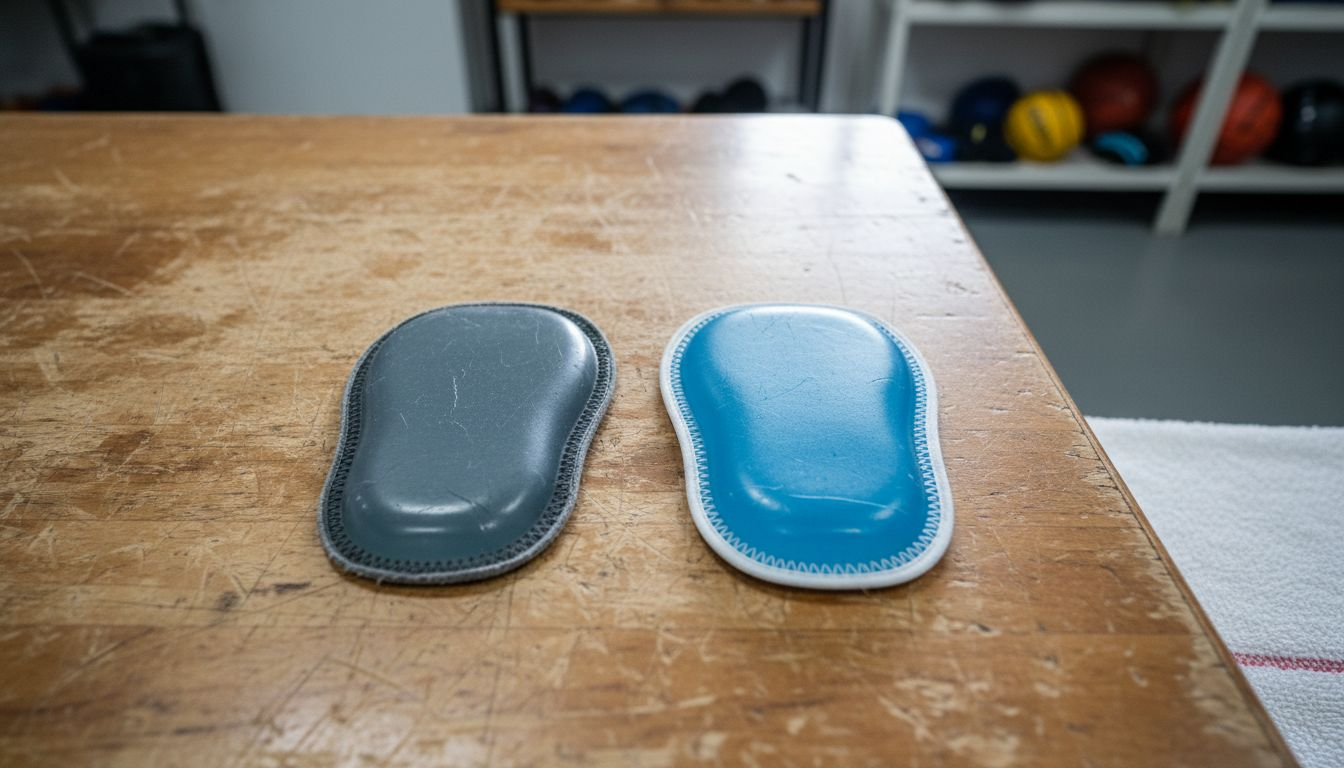
The padding layer beneath the gel also matters significantly. Thicker padding provides more cushioning but can feel bulky under your running clothes. Thinner, more efficient padding materials compress slightly under load while remaining responsive, allowing you to maintain better ground feel while still receiving protection.
When choosing a gel patella pad, look for products that combine proper patella support with durable gel construction, ensuring your investment provides consistent performance across multiple runs. As a recreational runner, you’ll appreciate gear that delivers protection without becoming uncomfortable during longer sessions.
Pro tip: Apply your gel pads immediately before running rather than wearing them all day—this preserves the gel’s cushioning properties and prevents unnecessary thermal stress on the material, extending your pads’ usable lifespan significantly.
Main Types of Gel Patella Pads for Knees
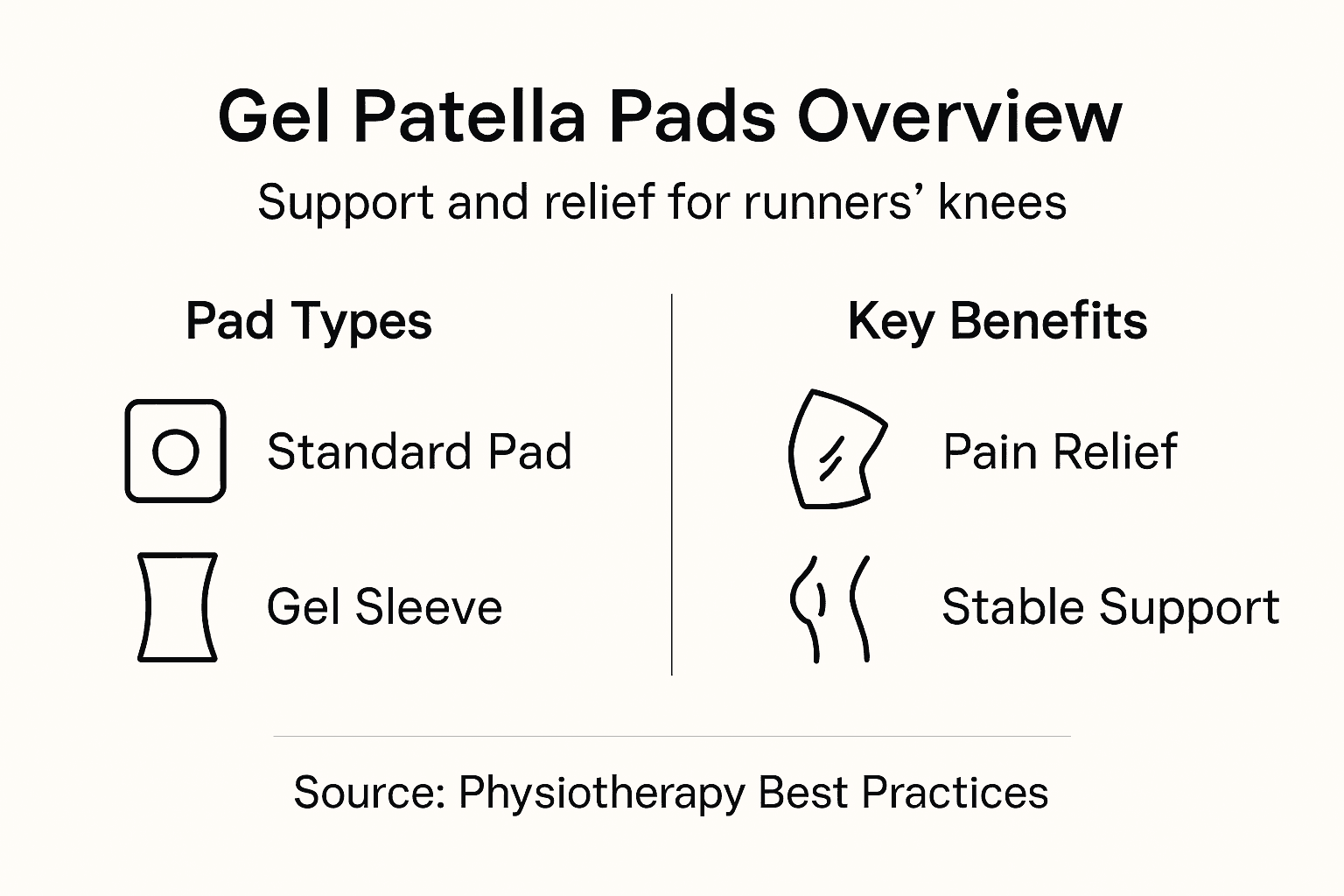
Gel patella pads come in several distinct varieties, each designed to address different knee issues and running styles. Understanding the differences between them helps you select the right solution for your specific needs. The main distinction lies in how the gel is formulated, how the pad is constructed, and what additional support features are included.
The primary types break down into several categories based on their construction and support level:
- Standard gel pads – Thin, flexible pads with gel cushioning concentrated directly over the patella, offering basic shock absorption with minimal bulk
- Compression sleeves with integrated gel – Full sleeve designs that combine compression fabric with localized gel pads, providing muscle support alongside cushioning
- Stabilizer pads with lateral support – Gel pads reinforced with rigid stays or straps on either side of the kneecap, designed to prevent lateral tracking issues
- Wraparound brace pads – Adjustable designs that wrap around your knee with velcro straps and gel inserts, offering customizable compression levels
- Thermal gel pads – Advanced formulations that retain and distribute body heat, improving circulation while providing cushioning
Just as different gel formulations vary in viscosity and duration, external gel pads differ in their material composition and effectiveness. Premium gel compounds maintain their cushioning properties through hundreds of running sessions, while budget options may harden or flatten faster.
Here’s a quick comparison of the main types of gel patella pads for runners:
| Pad Type | Support Level | Ideal User Scenario | Adjustability |
|---|---|---|---|
| Standard Gel Pad | Light | Casual runner, minimal pain | Fixed fit |
| Compression Sleeve Gel | Moderate | Frequent runner, muscle support | Limited by size |
| Stabilizer Pad | High | Runner with tracking problems | Rigid stays/straps |
| Wraparound Brace Pad | Customizable | All-day wear, adjustable support | Velcro, high flexibility |
| Thermal Gel Pad | Moderate + Heat | Cold weather, slow warm-up | Fixed fit |
Choosing Between Types Based on Your Running Profile
For recreational runners in Paris training three to four times weekly, a standard gel pad or compression sleeve with gel typically provides adequate support. These offer excellent protection without the bulk that might feel uncomfortable during longer runs or in warm weather.
If you experience tracking issues where your kneecap pulls toward the inside or outside of your knee, stabilizer pads with lateral supports become more valuable. The rigid stays guide your patella into proper alignment, reducing compensatory stress that can escalate into more serious injuries.
Wraparound designs excel when you need adjustable compression levels throughout your day. You might wear them tighter before a run and looser during recovery periods. This flexibility appeals to runners who also have desk jobs or spend time standing, as you can modify support based on your activity level.
The best gel patella pad is the one you’ll actually wear consistently—comfort and fit matter more than having the most advanced technology if you won’t use it.
Material Quality and Durability Differences
Not all gel pads are created equal. Medical-grade silicone gel outperforms basic petroleum-based gels in durability and heat resistance. Silicone-based pads maintain their cushioning properties even after 50 or more running sessions, while lower-quality gels can lose elasticity and flatten within weeks.
The fabric surrounding the gel also impacts longevity. Neoprene provides warmth and compression but can become uncomfortable in summer. Breathable mesh fabrics keep your skin cooler but offer less insulation. Choosing the right knee pad for your needs involves balancing these factors against your climate and training schedule.
You’ll also notice differences in how pads handle moisture. Some gel compounds break down when saturated with sweat, while quality pads resist moisture absorption. For runners training during humid Parisian summers, moisture resistance becomes a practical consideration affecting pad lifespan.
Look for pads with reinforced stitching around the gel inserts—this prevents separation between the gel and the fabric backing, which extends the pad’s functional lifespan significantly. Pads held together with heat-sealing tend to last longer than those with standard stitching.
Pro tip: Store your gel pads in a cool, dry location away from direct sunlight between runs—UV exposure and heat accelerate gel degradation, reducing the lifespan of even premium pads by half.
To help you choose, here’s a summary of material options and their performance impact:
| Material | Durability | Comfort | Moisture Resistance |
|---|---|---|---|
| Medical-grade silicone | Long lasting (>50 uses) | Soft, flexible | Excellent, resists sweat |
| Petroleum-based gel | Shorter lifespan | Moderate comfort | Poor, absorbs moisture |
| Neoprene fabric | Holds shape | Warm, snug | Moderate, can trap moisture |
| Mesh fabric | Lighter, breathable | Cool, airy | Good, dries quickly |
Key Benefits for Runners and Athletes
Gel patella pads deliver tangible advantages that go beyond simple pain relief. When you wear them consistently, you’re investing in your ability to train harder, recover faster, and stay injury-free longer. For recreational runners in Paris balancing work, family, and fitness goals, these benefits translate directly to more enjoyable running experiences and fewer days sidelined by knee discomfort.
The primary advantages break down into performance, recovery, and injury prevention categories:
- Pain reduction during activity – Gel pads cushion your kneecap, reducing the impact forces transmitted through your joints with each stride, allowing you to run longer without discomfort
- Improved stability and alignment – The compression and support help guide your patella into proper tracking, reducing compensatory movements that lead to secondary injuries
- Enhanced proprioception – The snug fit provides sensory feedback about your knee’s position, improving your body’s awareness during movement
- Faster recovery between sessions – Reduced inflammation and pressure on the patella means less soreness the day after challenging runs
- Prevention of escalation – Early intervention with gel pads stops minor knee irritation from developing into serious overuse injuries requiring months of rest
One of the most valuable aspects involves managing overuse injuries like runner’s knee through consistent support and friction reduction. This preventive approach keeps you training when you might otherwise be forced to take weeks off.
Performance Gains You’ll Actually Notice
Wearing gel patella pads creates immediate psychological benefits alongside physical improvements. Knowing your knee is protected boosts confidence, allowing you to focus on form and effort rather than worrying about pain. This mental shift alone helps many runners improve their pace and endurance.
Over two to three weeks of consistent use, most runners report noticeable improvements in their post-run soreness levels. What previously required two recovery days might now need only one. This extended training capacity accelerates fitness gains because you can maintain higher training volumes without overuse injuries.
Athletes competing in multiple sports or high-intensity activities benefit especially from gel pads. Whether you’re running in the morning and playing recreational soccer in the evening, the sustained support prevents cumulative stress from building up. Your knees get the protection they need across diverse movements rather than just during running.
The best performance benefit of gel pads isn’t speed or strength—it’s consistency. The runner who stays healthy and trains regularly beats the faster runner who gets injured every other month.
Long-Term Injury Prevention and Joint Health
Gel patella pads work as preventive medicine for your knees. By reducing inflammation and distributing impact forces evenly, they slow the degeneration processes that eventually lead to chronic knee problems. For runners in their late twenties or thirties starting to notice occasional knee twinges, early intervention with gel pads can prevent those minor issues from becoming permanent concerns.
Young recreational athletes often make the mistake of waiting until pain becomes severe before seeking support. By then, compensatory movement patterns have developed, creating additional imbalances. Starting with gel pads at the first sign of discomfort prevents these secondary issues from developing.
Consistent use builds a protective baseline that carries benefits beyond running. Walking up stairs, standing for extended periods, or sitting at your desk becomes more comfortable when your knee joint experiences less daily stress. This whole-life improvement matters when you’re trying to stay active as you age.
The cumulative effect appears over months and years. Runners who use gel pads consistently through their thirties and forties report significantly less knee pain compared to peers who pushed through discomfort without support. They maintain the ability to run recreationally well into later life.
Pro tip: Don’t wait for pain to start wearing gel pads—begin using them during high-mileage training weeks or when you’re increasing your running distance, as prevention is significantly more effective than treating established injuries.
Using Gel Pads Safely and Effectively
Gel patella pads are remarkably safe when used correctly, but like any support device, they require proper technique and awareness to maximize benefits and minimize any potential issues. Most runners experience no adverse effects whatsoever, yet understanding the fundamentals of safe use ensures you get the most from your investment while protecting your skin and supporting proper healing. The difference between excellent results and mediocre outcomes often comes down to application method and consistent care.
Proper use starts with understanding your individual needs and any potential contraindications. Before wearing gel pads, consider whether you have allergies to common pad materials like neoprene, silicone, or latex. If you have sensitive skin or a history of contact dermatitis, test the pad on a small area first or consult with a healthcare provider. Safe and effective use involves appropriate patient selection and monitoring for adverse reactions to ensure the device works for your specific situation.
The basic safety considerations include:
- Skin preparation – Ensure your skin is clean and dry before application to prevent moisture buildup and skin irritation
- Proper fit – The pad should sit snugly over your patella without cutting off circulation or causing excessive pressure
- Duration of use – Start with wearing pads for shorter periods, gradually increasing to full running sessions as your skin adapts
- Daily inspection – Check your knee daily for signs of redness, irritation, or pressure marks that indicate improper fit
- Regular cleaning – Wash your pad weekly with mild soap and air dry completely to prevent bacterial growth and odors
- Replacement timing – Replace pads when the gel loses elasticity or the fabric shows signs of wear
Proper Application and Wearing Techniques
Wearing your gel pad correctly makes an enormous difference in comfort and effectiveness. Most pads work best when applied directly to clean, dry skin with your knee in a slightly bent position. This positioning allows the pad to conform naturally to your kneecap’s contours rather than forcing it into an awkward shape.
For best results, apply your pad about 15 to 30 minutes before your run rather than wearing it throughout the day. This timing keeps the gel fresh and responsive during your actual running session. During recovery days, you can wear pads for longer periods, but extended all-day wear may cause skin irritation in some individuals.
When putting on your pad, smooth out any wrinkles or air bubbles by pressing gently from the center outward. Air pockets reduce contact between the gel and your skin, creating uneven pressure distribution that can cause discomfort. If you wear compression sleeves with integrated gel pads, ensure they’re pulled up evenly without twisting.
Adjustable wraps require special attention to tension. The pad should feel snug enough to provide support without creating the sensation of cutting off circulation. If your toes tingle, your foot feels numb, or you see skin discoloration, the pad is too tight and needs to be loosened immediately.
Safety isn’t about using the most expensive pad or the fanciest technology—it’s about using what you have correctly and paying attention to how your body responds.
Integration With Other Treatment Approaches
Gel pads work best as part of a comprehensive knee care strategy rather than as a standalone solution. Clinical guidelines recommend gel pad use alongside activity modification, physical therapy, and strengthening exercises for optimal outcomes. Wearing pads while neglecting strength training and flexibility work limits their effectiveness.
Combine your gel pads with proper running form adjustments. Many runners experience knee issues due to biomechanical problems like overpronation or weak hip muscles. Gel pads provide relief while you address these underlying issues through targeted exercises. This integrated approach prevents problems from recurring once you stop wearing the pads.
Physical therapy exercises specifically designed for runners accelerate healing and build protective muscle capacity around your knee. Focus on strengthening your quadriceps, hip abductors, and hip external rotators—the muscles that stabilize your patella during running. Combined with gel pad support, these exercises create lasting improvements rather than temporary relief.
Monitor your body’s response throughout your training. If you notice increasing pain despite wearing gel pads, reduce your mileage and consider consulting a physical therapist or sports medicine professional. Gel pads help manage pain, but persistent or worsening symptoms indicate you need additional intervention.
Pro tip: Keep a simple training log noting when you wear your gel pads, how your knee feels during and after runs, and any skin irritation—this data helps you identify patterns and optimize your usage schedule for maximum benefit without adverse effects.
Risks, Drawbacks, and Alternative Solutions
Gel patella pads are generally safe, but they’re not without limitations. Understanding potential drawbacks and knowing when alternatives might be better helps you make informed decisions about your knee care. No single solution works for everyone, and honest evaluation of risks ensures you choose the right approach for your situation.
The most common drawbacks involve skin sensitivity and variable effectiveness. Some runners develop contact dermatitis or mild skin irritation from prolonged pad use, particularly in warm weather when sweat accumulates beneath the material. Others find that gel pads provide only modest relief, especially if their knee pain stems from structural issues rather than simple patella tracking problems. Gel pad effectiveness varies significantly, and some patients might not experience substantial improvement, which is why assessing your individual response matters.
Additional considerations include:
- Cost and durability – Quality gel pads require replacement every few months to maintain effectiveness, creating ongoing expenses
- Bulk and comfort – Some pads add noticeable thickness under running clothes, causing chafing or feeling restrictive during long runs
- Dependency concerns – Relying solely on pads without addressing underlying biomechanical issues can mask problems that worsen over time
- Limited scope – Pads work best for patella-related pain but provide minimal relief for pain originating from other knee structures
- Allergic reactions – Rare but possible reactions to silicone, neoprene, or adhesive components can occur in sensitive individuals
When Gel Pads Might Not Be Your Best Option
Gel pads work best for mild to moderate patellofemoral pain caused by tracking issues or general knee stress. They’re less effective when your pain stems from meniscal tears, ligament damage, or advanced arthritis. If you’ve had imaging studies showing significant structural damage, gel pads alone probably won’t resolve your problem.
Younger runners with acute injuries sometimes benefit more from structured physical therapy than from external support devices. Physical therapy addresses root causes by building strength and improving movement patterns, while gel pads only manage symptoms. If your knee pain appeared suddenly after a specific incident rather than developing gradually, that acute injury pattern might require different treatment.
Runners carrying excess weight sometimes find that their knee pain improves more significantly through weight management than through gear changes. Reducing impact forces by carrying less body mass addresses the fundamental problem, whereas gel pads simply cushion the existing load. Combining weight management with pads accelerates improvement, but focusing primarily on pads while ignoring weight might disappoint you.
The truth about knee pain solutions: there’s rarely a perfect answer. The best approach usually combines multiple strategies tailored to your specific situation.
Effective Alternatives and Complementary Approaches
Alternative solutions include physical therapy, weight management, and more advanced interventions when conservative treatments prove insufficient. These options address different aspects of knee health and often work better in combination than any single approach alone.
Structured physical therapy ranks among the most effective knee pain treatments. A physical therapist evaluates your movement patterns, identifies weaknesses or imbalances, and prescribes targeted exercises. For recreational runners, six to eight weeks of consistent therapy often produces noticeable improvements that persist long after treatment ends. This addresses problems at their source rather than simply managing symptoms.
Non-invasive alternatives include:
- Gait analysis and running form correction – Video analysis identifies biomechanical issues causing excessive patella stress, allowing targeted form improvements
- Strength and flexibility training – Targeted exercises addressing hip, glute, and quadriceps weakness prevent compensation patterns
- Activity modification – Strategic reduction in high-impact activities while maintaining fitness through cross-training
- Heat and cold therapy – Thermal modalities reduce inflammation and improve mobility without ongoing expense
- Compression sleeves without gel – Basic compression provides support and proprioceptive feedback at lower cost
When conservative approaches fail, more invasive options exist. Cortisone injections provide temporary inflammation relief, though they’re not suitable for frequent use. Platelet-rich plasma (PRP) therapy harnesses your body’s healing mechanisms but costs significantly more. Surgical interventions like arthroscopy or knee arthroplasty address severe structural damage but represent last-resort options after conservative treatments prove inadequate.
Most runners benefit from a layered approach combining gel pads, physical therapy, strategic training modifications, and addressing biomechanical issues. This comprehensive strategy prevents pain from returning once you stop wearing pads, creating lasting improvement rather than temporary relief.
Pro tip: If gel pads provide less than 30 percent pain improvement after consistent use for three weeks, don’t assume more expensive or advanced pads will help—instead, consult a physical therapist or sports medicine professional to identify whether alternative treatments address your underlying issue more effectively.
Discover Targeted Knee Relief with Professional Gel Patella Pads
If running or daily activities leave you battling knee pain or instability targeting your kneecap, specialized gel patella pads can be your essential support. These pads provide localized compression and cushioning that reduce impact and improve patella tracking, helping you run longer with less soreness. At KneeSolution, we understand the challenge of balancing activity with knee comfort which is why we offer Knee Pads & Braces designed with durable gel inserts and adjustable compression to meet the needs of runners and active individuals in Paris.
Don’t settle for discomfort or risk escalating injuries. Protect your knees now with professional-grade gel patella pads built for real-world performance and lasting relief. Explore our top-rated gel pads and complementary support gear at KneeSolution to experience improved stability and faster recovery. Act today to move pain-free tomorrow.
Frequently Asked Questions
What are gel patella pads and how do they work?
Gel patella pads are compression support devices designed to protect and stabilize the kneecap during athletic activities. They provide targeted relief by conforming to the knee’s contours and reducing impact forces.
How do gel pads help reduce knee pain for runners?
Gel pads reduce knee pain by distributing pressure, offering compression support, retaining heat to enhance blood flow, and dampening vibrations during running, which collectively alleviate discomfort and improve performance.
What are the different types of gel patella pads available?
There are several types, including standard gel pads, compression sleeves with integrated gel, stabilizer pads with lateral support, wraparound brace pads, and thermal gel pads. Each type offers varying levels of support and features to cater to different needs.
How should I care for my gel patella pads to ensure they last?
To ensure durability, clean your gel pads weekly with mild soap and air dry. Store them in a cool, dry place away from direct sunlight, and replace them when the gel shows signs of wear or the fabric deteriorates.
