

Blog
Step by Step Knee Support Guide for Runners

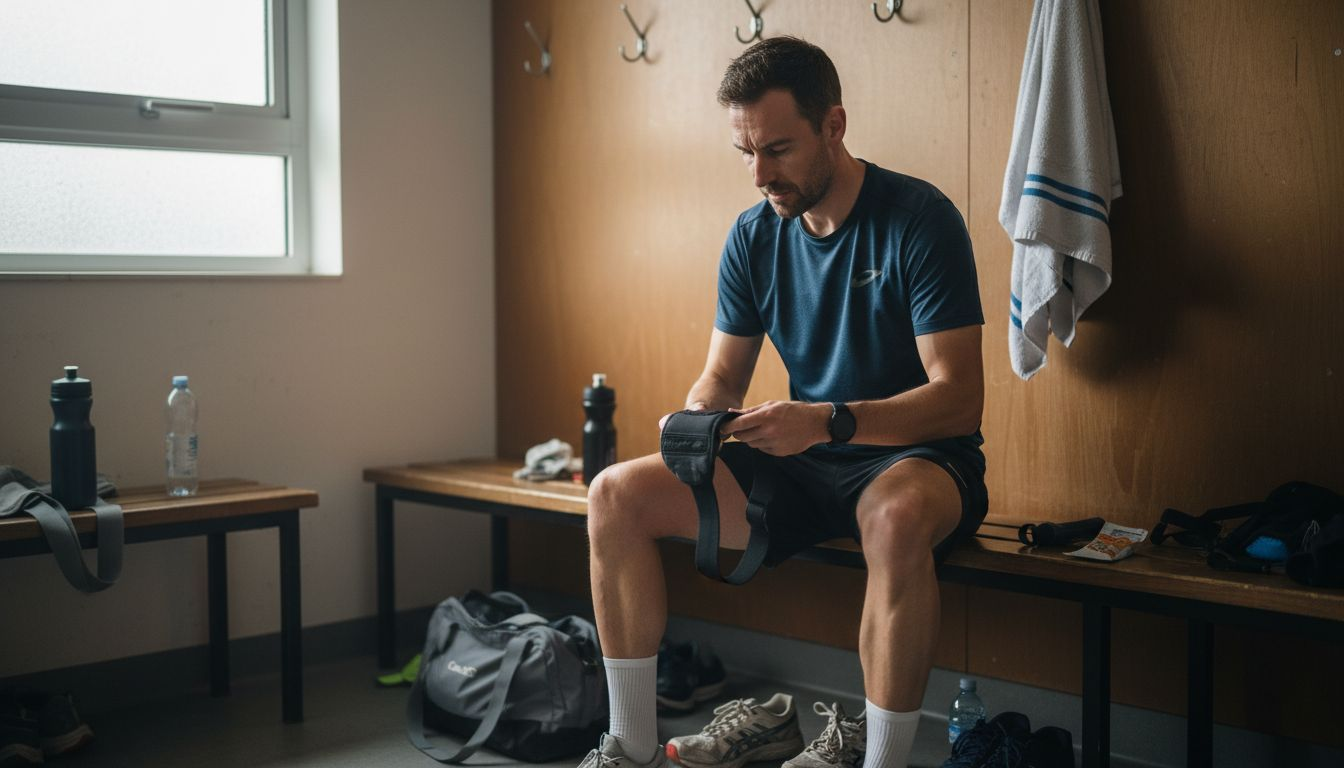
Long runs along the streets of Paris can take a toll on your knees, especially when marathon training pushes your limits week after week. For runners determined to reduce injury risk and stay consistent, finding the right knee support solutions becomes essential to staying swift and pain free. Here you will discover how tailored strategies can protect your knees, address discomfort, and keep you running strong on every Paris course.
Table of Contents
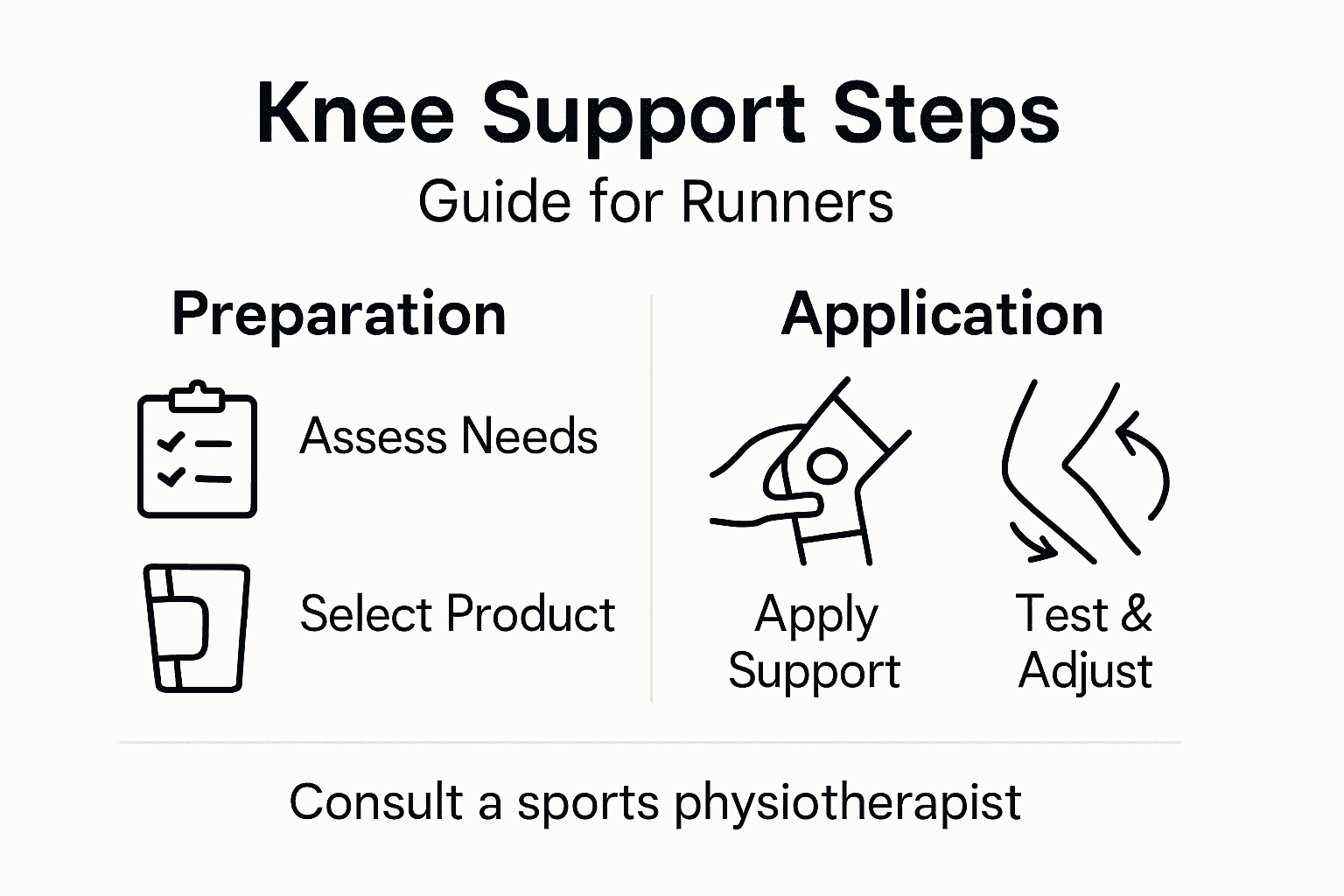
- Step 1: Assess Your Knee Support Needs
- Step 2: Select The Optimal Knee Support Product
- Step 3: Prepare Your Knee And Device For Application
- Step 4: Apply Knee Support Correctly
- Step 5: Test And Adjust For Comfort And Security
Quick Summary
| Key Insight | Explanation |
|---|---|
| 1. Assess your unique needs | Evaluate your biomechanics, injury history, and pain characteristics for tailored support. |
| 2. Choose the right support type | Select from prophylactic, functional, compression, or unloader braces based on your profile. |
| 3. Prepare knee and support well | Clean the knee and ensure proper fitting for maximum comfort and effectiveness. |
| 4. Apply support accurately | Align knee support correctly and secure it for optimal stability and comfort during activity. |
| 5. Test and adjust as needed | Validate support with dynamic movements and make adjustments for comfort and security. |
Step 1: Assess your knee support needs
Your knee support journey begins with a comprehensive understanding of your unique running biomechanics and potential vulnerabilities. Runners require a personalized approach to knee protection that goes beyond generic recommendations.
To effectively assess your knee support needs, start by examining several critical factors. Evaluate muscle function and movement patterns that could predispose you to potential knee injuries. This diagnostic process involves multiple key components:
- Assess your current running biomechanical alignment
- Identify historical injury patterns
- Measure muscle strength and flexibility
- Analyze your typical running distances and terrain
Pain location and severity play a crucial role in determining appropriate knee support. Runners experiencing patellofemoral symptoms should pay special attention to the specific characteristics of their discomfort. Is the pain sharp or dull? Does it intensify during or after running? Understanding these nuances helps select the most appropriate knee support solution.
Pro tip: Consider consulting a sports physiotherapist for a professional biomechanical assessment to get the most accurate knee support recommendations.
Step 2: Select the optimal knee support product
Choosing the right knee support is a critical decision that can significantly impact your running performance and injury prevention. Understanding the nuanced differences between various knee support options will help you make an informed selection tailored to your specific needs.
Knee braces and supports serve multiple functional purposes depending on your individual requirements. Runners should consider several key types of knee support:
- Prophylactic braces for general injury prevention
- Functional braces for joint stabilization
- Compression sleeves for muscle support and circulation
- Unloader braces for reducing joint stress
When evaluating knee support products, focus on critical factors such as:
- Comfort and fit
- Level of compression
- Material breathability
- Specific running terrain and activity intensity
The right knee support should enhance your performance while providing targeted protection.
Consult with a sports healthcare professional to ensure personalized knee support recommendations that match your unique biomechanical needs and running style.
Here’s a quick comparison of common knee support types and their best use cases:
| Type of Knee Support | Main Benefit | Ideal Runner Profile |
|---|---|---|
| Prophylactic Brace | Prevents new injuries | Runners with no current knee issues |
| Functional Brace | Stabilizes weakened joints | Runners with previous knee injuries |
| Compression Sleeve | Improves circulation and support | Distance runners or those with mild discomfort |
| Unloader Brace | Reduces joint stress | Runners with knee alignment or arthritis concerns |
Pro tip: Always try on knee support products and perform a few dynamic movements to assess their comfort and range of motion before making a final purchase.
Step 3: Prepare your knee and device for application
Successful knee support application begins with meticulous preparation, ensuring maximum comfort, effectiveness, and injury prevention during your running activities. This critical step sets the foundation for optimal knee protection and performance.
Proper knee preparation involves several essential steps to guarantee a secure and comfortable fit:
- Clean the knee surface thoroughly
- Inspect skin for any cuts or irritations
- Remove lotions or oils from the skin
- Check knee support device for defects
- Ensure correct sizing of the support
Running requires specialized attention to knee preparation. Warm-up exercises can enhance blood flow and reduce potential stiffness before applying your knee support. Key warm-up techniques include:
- Gentle knee rotations
- Light stretching
- Walking in place
- Gradual dynamic movements
Thorough preparation prevents discomfort and maximizes your knee support’s effectiveness during physical activity.
Pay special attention to the tension and positioning of your knee support, ensuring it provides optimal biomechanical function without restricting natural movement.

Pro tip: Always perform a few test movements after applying your knee support to confirm proper fit and comfort level.
Review these key factors when evaluating comfort and fit for a knee support:
| Factor | Why It Matters | Potential Issues if Ignored |
|---|---|---|
| Fit and Sizing | Ensures secure support, prevents slipping | Inadequate protection, device movement |
| Material Quality | Affects durability and skin health | Skin irritation, premature wear |
| Breathability | Prevents overheating and moisture buildup | Excessive sweating, chafing |
| Compression Level | Balances support with comfort | Restricted movement or loose fit |
Step 4: Apply knee support correctly
Precise knee support application is crucial for runners seeking optimal performance and injury prevention. Your goal is to create a secure, comfortable fit that provides targeted support without restricting natural movement.
Correct knee brace alignment requires careful positioning of anatomical landmarks and strategic securing techniques:
- Position the support centered over the knee joint
- Align key openings with patella
- Ensure even tension across the entire brace
- Check for wrinkle-free placement
- Verify no excessive compression
Application steps for most knee supports include:
- Sit or stand in a comfortable position
- Slide support up leg smoothly
- Adjust for precise knee alignment
- Fasten any straps evenly
- Perform mobility test
A properly applied knee support should feel snug but not restrictive, allowing full range of motion.
Clinicians recommend frequent fit checks during initial use and throughout your activity to maintain optimal support and comfort.
Pro tip: Move around and perform several test movements immediately after application to confirm the knee support feels comfortable and stays securely in place.
Step 5: Test and adjust for comfort and security
Validating your knee support’s performance is a critical step that ensures maximum protection and comfort during your running routine. Your objective is to confirm the support provides stable, unrestricted movement without causing discomfort.
Proper knee support testing involves dynamic movement assessments to verify optimal functionality:
- Walk and jog in place to simulate running
- Check for slipping or shifting
- Assess range of motion
- Monitor skin irritation or pressure points
- Evaluate overall comfort level
Key adjustment techniques include:
- Loosen or tighten straps incrementally
- Reposition support if sliding occurs
- Adjust tension for improved stability
- Redistribute compression evenly
- Perform quick mobility checks
Your knee support should feel like a second skin – supportive yet unrestrictive.
Regular reassessment during activity remains crucial for maintaining optimal knee protection and preventing potential discomfort.
Pro tip: Keep a small adjustment tool or extra fastener with you during initial runs to make quick modifications if needed.
Discover Professional Knee Support Solutions Tailored for Runners
If you are following the detailed “Step by Step Knee Support Guide for Runners,” you already know how vital personalized knee assessment and proper brace application are to prevent injury and improve performance. Many runners struggle with finding the right fit that offers stability without restricting movement or causing discomfort — problems that our expertly designed Knee Pads & Braces address perfectly. Our orthopedic braces with adjustable straps and gel patella pads provide targeted support for joint stability and pain relief so you can run stronger and longer.
Don’t let knee pain or improper support slow you down. At KneeSolution, we combine professional-grade compression technology with breathable, durable materials engineered for intense athletic use. Explore our range of knee protection and recovery devices now to experience a secure, comfortable fit that moves with you. Take your next run with confidence and comfort by visiting https://kneesolution.com today.
Frequently Asked Questions
How do I assess my knee support needs for running?
To assess your knee support needs, evaluate your running biomechanics, historical injuries, and muscle strength. Consider consulting a sports physiotherapist for an accurate assessment and tailored recommendations.
What types of knee support should I consider as a runner?
As a runner, consider using prophylactic braces for injury prevention, functional braces for stabilization, compression sleeves for muscle support, or unloader braces for joint stress reduction. Choose the type based on your specific needs and any past injuries.
What steps should I follow to prepare my knee and support device for application?
Begin by cleaning the knee surface and checking for skin irritations. Warm up your knee through gentle movements and stretches to ensure optimal comfort before applying the support.
How do I apply knee support correctly for the best results?
To apply knee support correctly, position it centered over your knee joint, aligning it with the patella. Ensure even tension and check for a snug fit without restricting movement to maximize support.
What should I do to test and adjust my knee support during a run?
Test your knee support by walking or jogging in place to check for slipping or shifting. Make adjustments as needed, such as loosening or tightening straps, to ensure comfort and stability while running.
