
Blog
Why Use Calf Sleeves: Performance, Recovery, and Relief

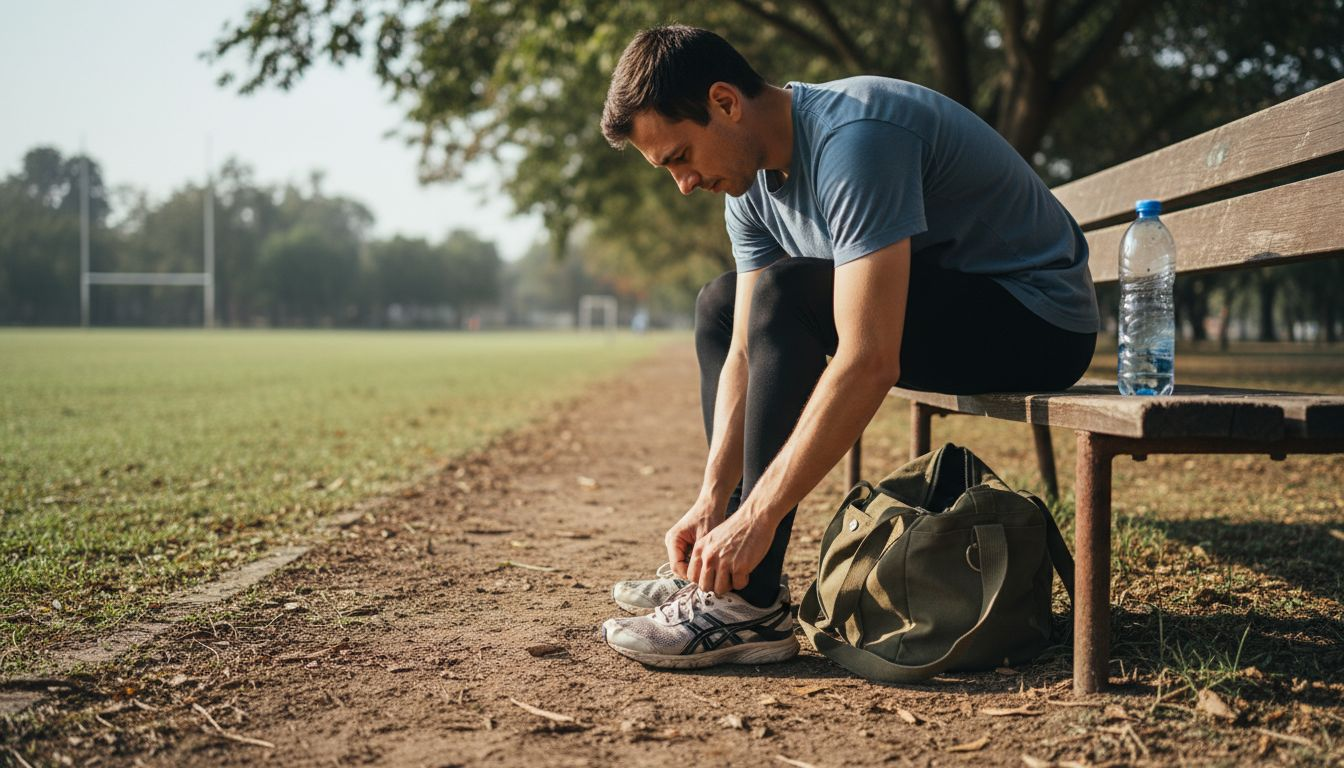
Struggling with persistent calf soreness after your runs or noticing slower recovery between workouts can leave even the most determined athletes frustrated. Active runners across Europe are discovering that finding effective ways to support tired muscles is key to unlocking their full potential and staying injury free. By understanding how compression technology improves blood flow, reduces fatigue, and supports muscle recovery, you can give your calves the targeted care they deserve for stronger performance and a lower risk of injury.
Table of Contents
- Understanding Calf Sleeves And Their Purpose
- Types Of Calf Sleeves And Compression Levels
- How Calf Sleeves Enhance Performance And Recovery
- Common Mistakes When Using Calf Sleeves
- Comparing Calf Sleeves With Other Support Solutions
Key Takeaways
| Point | Details |
|---|---|
| Calf Sleeves Enhance Performance | Calf sleeves improve muscle support, blood circulation, and recovery while minimizing the risk of injuries. |
| Choose the Right Compression Level | Select calf sleeves with graduated compression of 15-25 mmHg for optimal athletic performance and recovery benefits. |
| Common Usage Mistakes | Avoid errors like incorrect sizing and orientation, which can reduce their effectiveness and cause discomfort. |
| Compare Support Solutions | Consider various support types, such as compression socks and knee braces, based on specific athletic needs and injury history. |
Understanding Calf Sleeves and Their Purpose
Calf sleeves are specialized compression garments designed to support and enhance athletic performance in runners and endurance athletes. These innovative accessories provide targeted muscle support by applying strategic pressure around the calf region, creating multiple physiological benefits that extend far beyond simple fabric coverage.
Compression technology works through a precise mechanism of applying graduated pressure to muscle groups. Scientific studies support benefits including:
- Improved blood circulation
- Reduced muscle vibration during activity
- Enhanced oxygen delivery to muscle tissues
- Faster post-exercise recovery
- Potential injury prevention
The primary function of calf sleeves centers on managing muscle performance and reducing strain. Targeted pressure helps minimize fatigue by controlling muscle oscillation and supporting the complex network of soft tissues in the lower leg. This means athletes can potentially maintain higher performance levels with reduced risk of microtears and excessive muscle stress.
Biomechanical Support is another critical aspect of calf sleeves. By providing consistent compression, these garments help stabilize muscles, reduce unnecessary movement, and potentially decrease the likelihood of strains or overextension during intense physical activities.
Pro tip: Choose calf sleeves with graduated compression between 15-25 mmHg for optimal performance and recovery benefits.
Types of Calf Sleeves and Compression Levels
Calf compression sleeves come in various designs and compression levels, each tailored to specific athletic needs and physiological requirements. Graduated compression technologies provide strategic support for runners, cyclists, and endurance athletes seeking performance enhancement and recovery optimization.
Compression Level Categories typically range across different pressure intensities:
- Light Compression (8-15 mmHg): Ideal for daily wear and mild muscle support
- Moderate Compression (15-20 mmHg): Recommended for athletic training and mild recovery
- Firm Compression (20-30 mmHg): Professional-grade support for serious athletes
- Medical-Grade Compression (30-40 mmHg): Therapeutic levels for significant injury rehabilitation
The design of these sleeves is not arbitrary. Each compression level serves a distinct purpose, with tighter compression at the ankle gradually reducing pressure as it moves up the calf. This graduated compression approach ensures optimal blood circulation and muscle stabilization.
Athletes and active individuals should choose compression levels based on their specific activity, fitness goals, and current physical condition. Factors like training intensity, recovery needs, and individual muscle physiology play crucial roles in selecting the most appropriate calf sleeve.
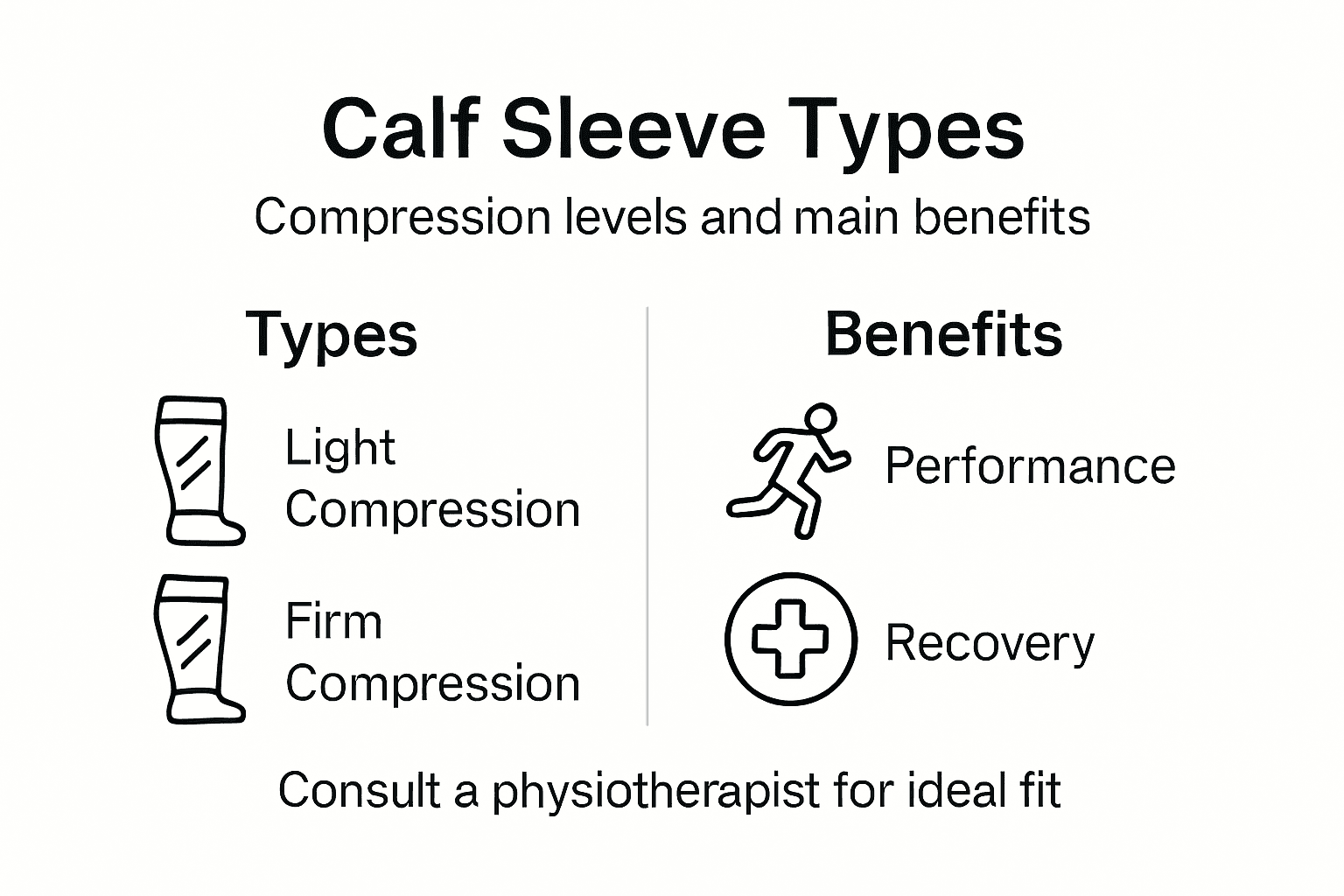
Refer to this table for selecting the ideal compression level based on use:
| Compression Level | Pressure (mmHg) | Best For | Expected Effect |
|---|---|---|---|
| Light | 8-15 | Daily wear, mild sports | Gentle support, comfort |
| Moderate | 15-20 | Training, recovery | Enhanced performance, recovery |
| Firm | 20-30 | Serious athletes | Maximum support, injury prevention |
| Medical-Grade | 30-40 | Rehabilitation | Reduces swelling, medical conditions |
Pro tip: Consult with a sports physiotherapist to determine the most appropriate compression level for your specific athletic goals and physical requirements.
How Calf Sleeves Enhance Performance and Recovery
Muscle Performance takes center stage when understanding the biomechanical advantages of calf sleeves. Compression sportswear significantly improves speed and endurance by creating a complex network of physiological benefits that extend far beyond simple fabric coverage.
The key performance enhancement mechanisms include:
- Reduced muscle oscillation during high-intensity activities
- Enhanced blood circulation and oxygen delivery
- Decreased muscle fatigue and recovery time
- Improved proprioception and muscle stabilization
- Minimized risk of micro-tears and soft tissue damage
Professional athletes and weekend warriors alike benefit from the strategic compression technology. Blood flow optimization supports muscle recovery by facilitating efficient nutrient delivery and removing metabolic waste products more rapidly than traditional recovery methods.
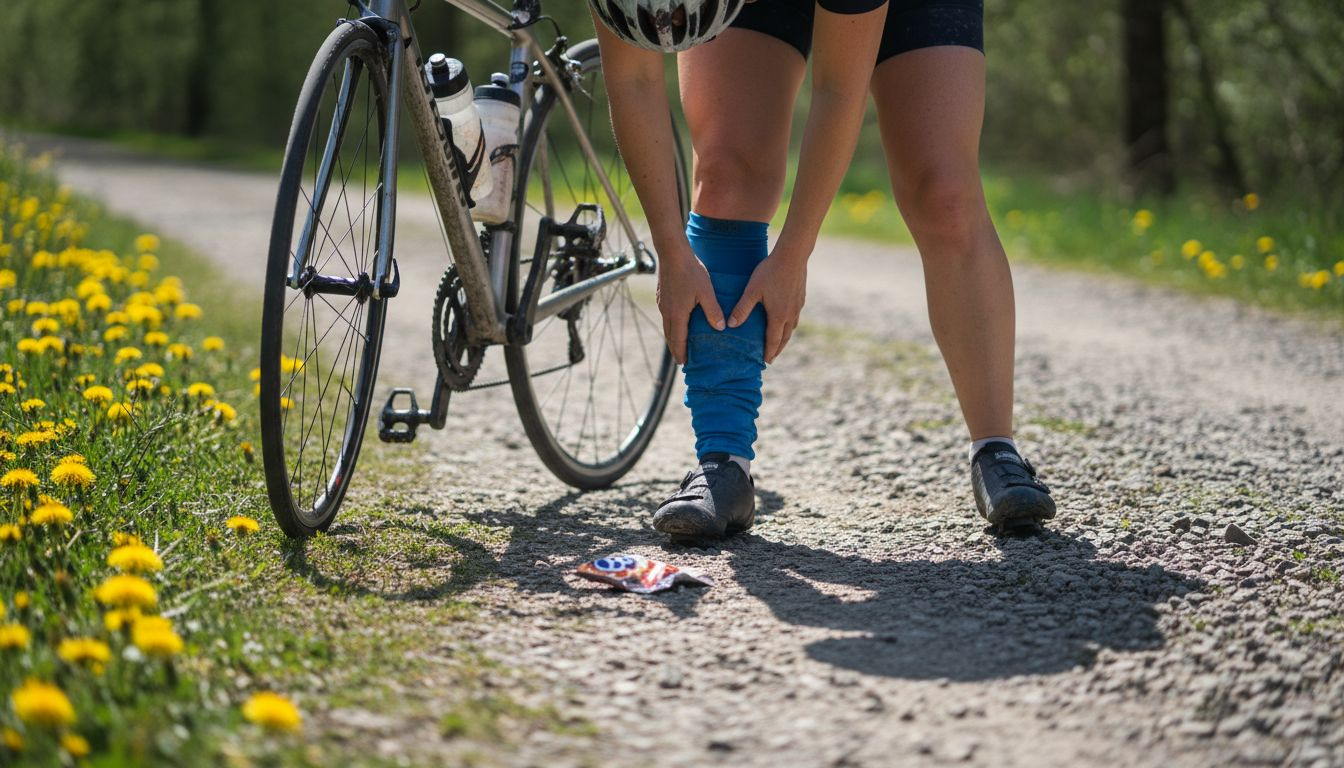
Beyond immediate performance gains, calf sleeves provide long-term physiological advantages. The consistent compression helps reduce inflammation, supports muscle alignment, and potentially decreases the likelihood of repetitive strain injuries. By maintaining muscle temperature and reducing unnecessary muscle vibration, these specialized garments create an environment conducive to peak athletic performance.
Pro tip: Wear your calf sleeves during both training and recovery periods to maximize their physiological benefits and performance potential.
Common Mistakes When Using Calf Sleeves
Performance compression requires precision, and athletes often make critical errors that compromise the effectiveness of their calf sleeves. Incorrect usage can significantly reduce potential benefits, turning what should be a supportive garment into a potential source of discomfort or even injury.
The most common mistakes runners and athletes make include:
- Wearing sleeves in the wrong orientation
- Selecting incorrect sizing
- Using damaged or stretched-out sleeves
- Wearing wet or damp compression gear
- Ignoring manufacturer’s specific care instructions
- Wearing sleeves for inappropriate durations
Proper fit is absolutely crucial when using calf sleeves. Many athletes mistakenly choose sleeves that are either too tight or too loose, which can restrict blood circulation or provide inadequate muscle support. A well-fitted sleeve should feel snug but not constrictive, with graduated compression that provides consistent support from ankle to calf.
Maintaining your calf sleeves is just as important as selecting the right pair. Exposure to harsh washing conditions, direct heat, or prolonged sunlight can degrade the fabric’s compression properties, reducing their effectiveness over time. Regular inspection for signs of wear, stretching, or material breakdown is essential to ensure continued performance and support.
Pro tip: Replace your calf sleeves every 6-12 months, or immediately if you notice significant elasticity loss or fabric deterioration.
Comparing Calf Sleeves With Other Support Solutions
Support technologies for athletes and active individuals have evolved significantly, offering multiple options beyond traditional calf sleeves. Calf supports demonstrate remarkable versatility across different performance and recovery needs.
Key comparison points between support solutions include:
- Compression Socks: Full leg and foot coverage
- Calf Sleeves: Targeted calf muscle support
- Knee Braces: Joint-specific stabilization
- Elastic Bandages: Temporary, adjustable support
- Kinesiology Tape: Flexible, adhesive muscle support
Compression technology varies significantly between different support solutions. Compression socks provide comprehensive lower leg coverage, including the foot, which can be beneficial for circulation and swelling reduction. Calf sleeves, in contrast, offer more targeted muscle support and greater movement flexibility, making them preferable for athletes seeking specific calf muscle stabilization.
The table below summarizes the main differences between popular leg support solutions for athletes:
| Support Type | Target Area | Primary Benefit | Typical User |
|---|---|---|---|
| Calf Sleeves | Calf muscles | Targeted muscle support | Runners, endurance athletes |
| Compression Socks | Lower leg & foot | Improved circulation | Travelers, athletes |
| Knee Braces | Knee joint | Joint stabilization | Injury-prone individuals |
| Elastic Bandages | Varies | Temporary support | First aid users |
| Kinesiology Tape | Muscle groups | Flexible support | Sports injury prevention |
The selection of support solutions depends on individual requirements, including injury history, athletic goals, and specific performance needs. Factors like material composition, compression gradient, and intended use play crucial roles in determining the most appropriate support technology for each athlete.
Pro tip: Consult with a sports physiotherapist to determine the most appropriate support solution tailored to your specific athletic profile and performance goals.
Enhance Your Lower Limb Performance with Professional Support from KneeSolution
If you are seeking effective relief from calf muscle strain and want to maximize your performance and recovery, the article’s insights on compression technology align perfectly with our mission at KneeSolution. The challenges of muscle fatigue, reduced circulation, and potential injury can be addressed with targeted support solutions that go beyond simple coverage. From calf compression bands to comprehensive leg protection accessories, our professional-grade products incorporate graduated compression designed for active individuals and serious athletes alike.
Take control of your athletic performance and recovery by exploring our range of Leg Protection Accessories. Designed to provide optimal muscle stabilization and enhanced circulation, these supports deliver comfort and durability backed by evidence-based technology. Start your journey toward pain-free movement today by visiting KneeSolution to find the right support that complements your unique training needs. Don’t wait to experience lasting relief and improved performance.
Frequently Asked Questions
What are calf sleeves and how do they work?
Calf sleeves are compression garments designed to support and enhance athletic performance by applying graduated pressure around the calf muscles. This helps improve blood circulation, reduce muscle vibration, and enhance oxygen delivery to muscle tissues.
How do I choose the right compression level for calf sleeves?
Compression levels range from light (8-15 mmHg) for daily wear to medical-grade (30-40 mmHg) for rehabilitation. Athletes should pick a level based on their specific activity, training intensity, and recovery needs.
Can wearing calf sleeves prevent injuries during exercise?
Yes, calf sleeves can help stabilize muscles, reduce unnecessary movement, and minimize the risk of strains or overextension during intense physical activities, offering potential injury prevention benefits.
How should I care for my calf sleeves to maintain their effectiveness?
To maintain calf sleeves, avoid harsh washing conditions, direct heat, and prolonged sunlight exposure. Regularly inspect for signs of wear or stretching, and replace them every 6-12 months or if you notice significant elasticity loss.
