

Blog
Why Use Knee Pads: Injury Prevention and Recovery

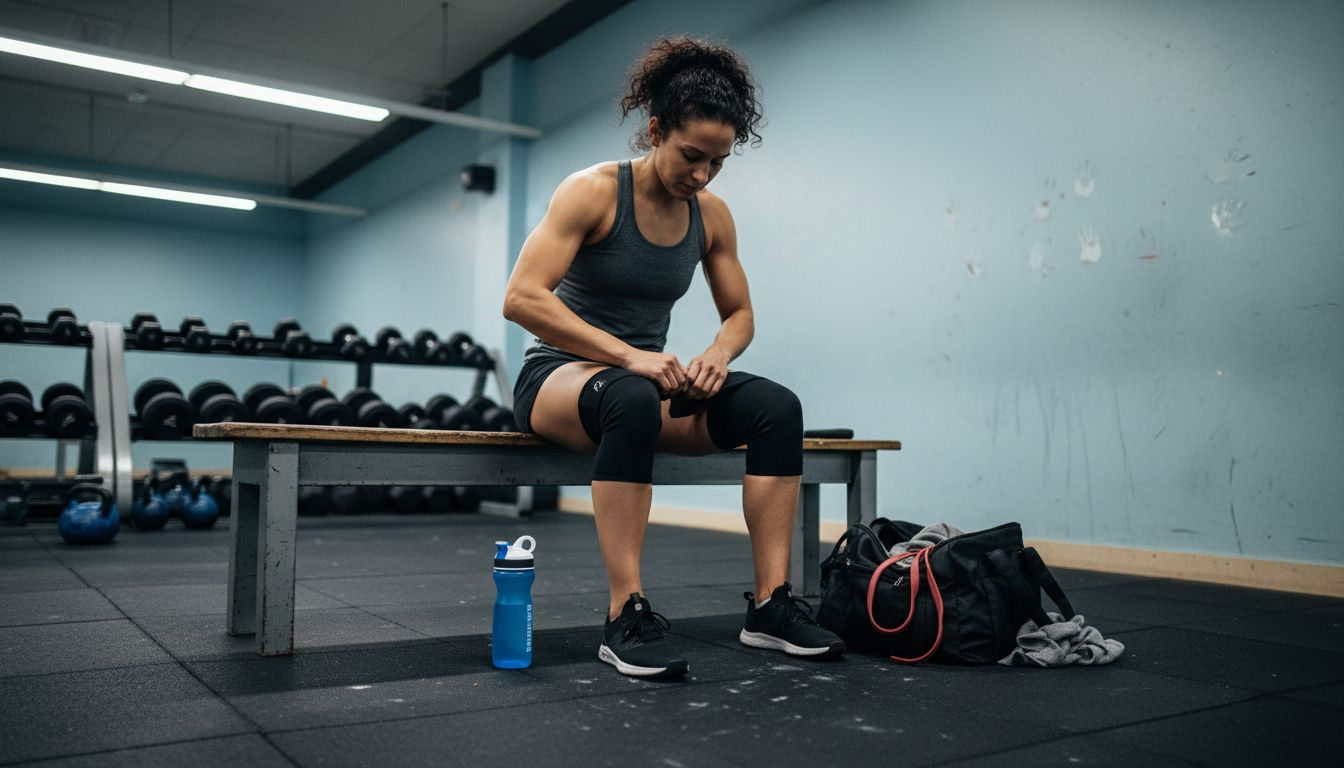
Every European runner knows how quickly knee pain can sideline even the most dedicated training routine. Knee injuries aren’t just a challenge for professionals, but for anyone enjoying an active lifestyle. Modern knee pads offer more than basic cushioning, providing advanced joint protection through impact absorption and stabilization. This overview helps you understand common myths, the best types for sports, and how knee pads support recovery and pain relief, so you can confidently choose the right solution for your needs.
Table of Contents
- What Knee Pads Do and Common Myths
- Types of Knee Pads for Active Lifestyles
- How Knee Pads Prevent Sports Injuries
- Knee Pads’ Role in Pain Relief and Recovery
- Selecting and Using Knee Pads Effectively
- Pitfalls and Mistakes to Avoid When Choosing
Key Takeaways
| Point | Details |
|---|---|
| Knee Pads Provide Comprehensive Protection | They absorb impact forces, stabilize muscles, and maintain joint alignment during activities. |
| Diverse Types for Specific Needs | Different knee pad types cater to various sports, from compression sleeves for running to hard-shell pads for extreme sports. |
| Focusing on Fit and Comfort is Crucial | Proper sizing and adjustment ensure knee pads provide optimal protection without restricting movement. |
| Avoid Common Selection Mistakes | Choosing the correct type, size, and material prevents discomfort and enhances performance. |
What Knee Pads Do and Common Myths
Knee pads are sophisticated protective devices designed to safeguard joints during high-impact activities. Unlike basic assumptions, these specialized supports do much more than simply cushion the knee. Advanced protective technologies enable comprehensive joint protection through strategic design and materials engineering.
The primary functions of knee pads extend far beyond simple padding. They provide critical protection by:
- Absorbing direct impact forces
- Distributing mechanical stress across the joint
- Stabilizing surrounding muscle groups
- Preventing sudden lateral movements that cause injuries
- Maintaining proper knee alignment during intense activities
Contrary to popular misconceptions, knee pads are not exclusively for older adults or workers in physically demanding jobs. Athletes, recreational sports enthusiasts, and active individuals across multiple disciplines rely on these essential protective devices. Scientific research on knee protection demonstrates that proactive joint support can significantly reduce injury risks.
Many people mistakenly believe knee pads restrict movement or are uncomfortable. Modern knee pad designs challenge these myths by incorporating lightweight, breathable materials and ergonomic construction that allows full range of motion. Advanced models utilize compression technologies and flexible fabrics that move with the body, providing protection without compromising performance.
Pro tip: Select knee pads that match your specific activity level and provide a snug but not restrictive fit to maximize protection and comfort.
Types of Knee Pads for Active Lifestyles
Knee pads are not a one-size-fits-all solution but a diverse range of protective gear designed to meet specific athletic and lifestyle needs. Selecting knee pads for different activities requires understanding the unique protective requirements of various sports and physical pursuits.
The primary types of knee pads for active individuals include:
- Compression Knee Sleeves: Lightweight supports providing muscle stabilization and mild joint compression
- Hard-Shell Protective Pads: Rigid exterior designs ideal for high-impact sports like skateboarding and mountain biking
- Soft Gel Knee Pads: Flexible cushioning for low-impact activities like yoga and floor exercises
- Professional Athletic Braces: Advanced supports with articulated design for professional sports training
- Work-Grade Knee Pads: Heavy-duty protection for construction, flooring, and industrial jobs
Each knee pad type addresses specific performance and protection needs. Compression sleeves offer minimal interference with movement while providing muscle support, making them popular among runners and cyclists. Hard-shell designs prioritize impact resistance for extreme sports enthusiasts who face potential direct-contact injuries.
To help you choose the ideal knee pad for your needs, here’s a comparison of common types and their best use cases:
| Knee Pad Type | Best For | Key Benefit |
|---|---|---|
| Compression Sleeves | Running, cycling | Muscle support, light compression |
| Hard-Shell Pads | Skateboarding, biking | Maximum impact protection |
| Soft Gel Pads | Yoga, floor work | Flexible comfort and cushioning |
| Athletic Braces | Sports training | Joint stability, advanced support |
| Work-Grade Pads | Construction, flooring | Heavy-duty durability |
Modern knee pad technologies have revolutionized protection by incorporating advanced materials like memory foam, breathable mesh, and adjustable compression systems. These innovations ensure that athletes can maintain maximum mobility while receiving targeted joint support. Specialized knee pads now feature ergonomic contouring, moisture-wicking fabrics, and strategic padding placement to optimize both comfort and protection.
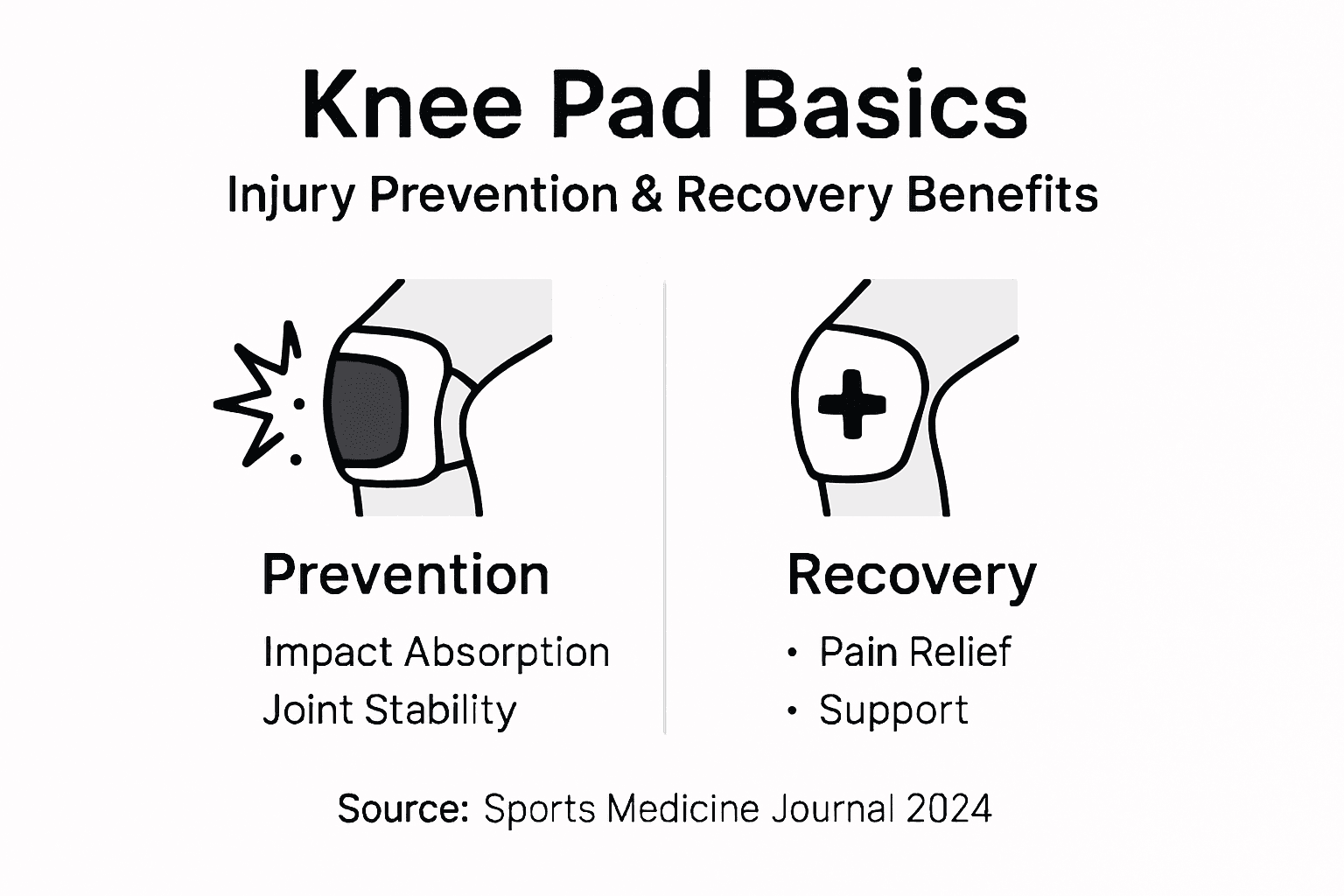
Pro tip: Always match your knee pad selection to your specific activity’s intensity and impact requirements to ensure optimal protection and performance.
How Knee Pads Prevent Sports Injuries
Knee injuries represent a significant risk for athletes across multiple disciplines, with sudden impacts and repetitive stress potentially causing long-term damage. Athletic knee protection strategies are crucial for maintaining joint health and preventing potentially career-ending injuries.
Knee pads prevent sports injuries through multiple targeted mechanisms:
- Impact Absorption: Dispersing direct forces that would otherwise stress joint structures
- Stabilization: Limiting excessive lateral and rotational movements
- Compression Support: Reducing muscle vibration and improving proprioception
- Thermal Regulation: Maintaining optimal muscle and joint temperature
- Psychological Confidence: Reducing athlete anxiety about potential injuries
The biomechanical protection offered by knee pads goes beyond simple cushioning. These sophisticated devices act as a critical interface between the athlete’s body and potential injury-causing forces. Hard-shell designs provide maximum protection for high-impact sports like skateboarding and mountain biking, while compression sleeves offer nuanced support for running and cycling activities.
Advanced knee pad technologies incorporate materials like memory foam, shock-absorbing polymers, and strategic padding to create a comprehensive protective system. By distributing force across a wider surface area, these devices significantly reduce the concentrated stress that can lead to acute injuries or chronic joint degradation. The strategic design helps athletes maintain peak performance while minimizing injury risks.
Pro tip: Replace your knee pads every 6-12 months or immediately after significant impacts to ensure consistent protective performance.
Knee Pads’ Role in Pain Relief and Recovery
Pain management and rehabilitation are critical aspects of athletic performance and recovery, with knee pads playing a surprisingly sophisticated role beyond basic protection. Knee support mechanisms for pain relief extend far beyond simple cushioning, offering comprehensive support for athletes and active individuals dealing with joint discomfort.
Knee pads contribute to pain relief through multiple targeted approaches:
- Pressure Distribution: Spreading mechanical stress across a wider surface area
- Thermal Regulation: Providing warmth to reduce inflammation and muscle tension
- Compression Therapy: Improving blood circulation and reducing swelling
- Proprioceptive Feedback: Enhancing joint awareness and stability
- Psychological Comfort: Reducing anxiety about potential re-injury
The biomechanical support provided by knee pads is particularly crucial for individuals managing chronic conditions like osteoarthritis or recovering from sports-related injuries. Compression sleeves and specialized braces can limit excessive joint movement, prevent further tissue damage, and create a protective environment that supports natural healing processes. Advanced designs incorporate materials that not only absorb impact but also provide targeted support to vulnerable joint structures.
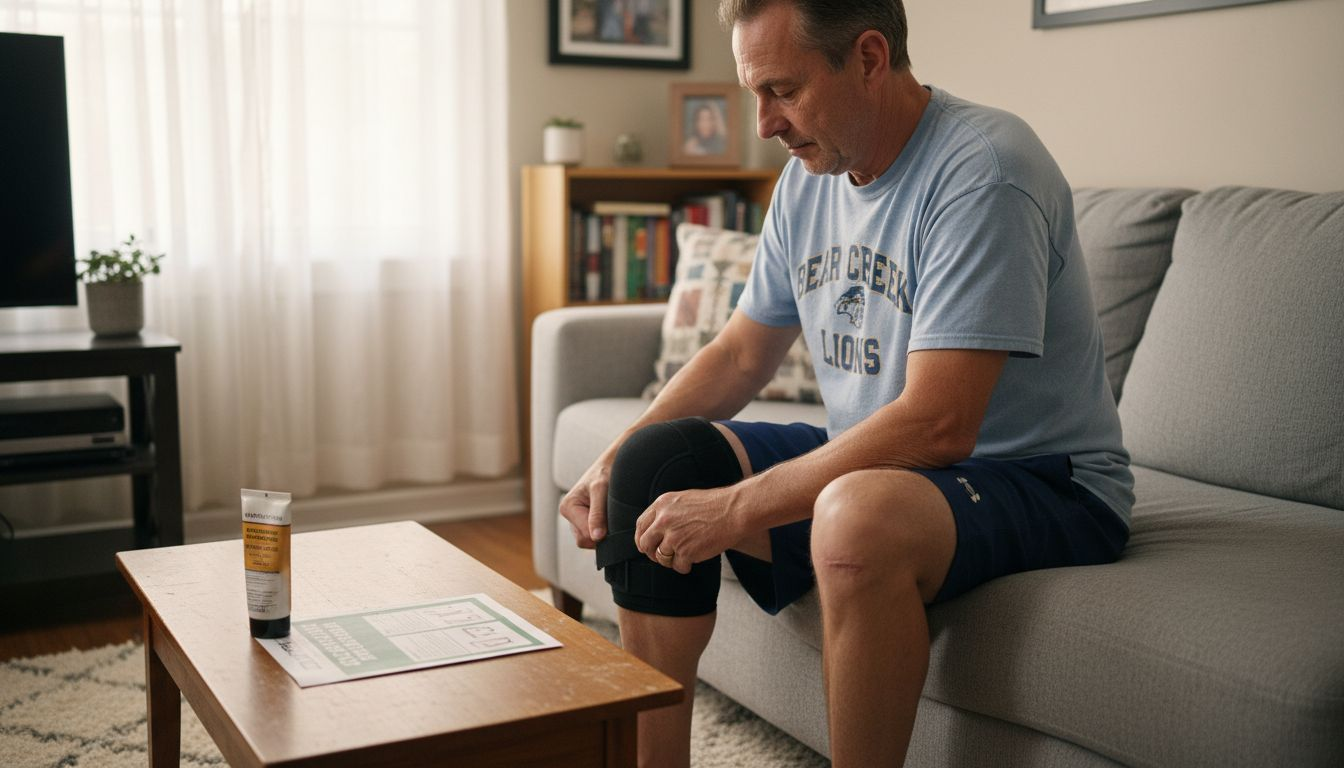
Modern knee pad technologies have transformed pain management strategies, offering nuanced solutions that go beyond traditional static protection. By integrating adaptive materials, strategic padding, and ergonomic designs, these devices help athletes maintain mobility while minimizing discomfort. The key is finding a knee pad that provides the right balance of support, flexibility, and comfort for individual needs.
Pro tip: Consult with a sports physiotherapist to select knee pads specifically tailored to your unique injury recovery and pain management requirements.
Selecting and Using Knee Pads Effectively
Choosing the right knee pads requires a strategic approach that goes beyond simple sizing and aesthetic considerations. Knee pad selection techniques demand careful evaluation of individual activity needs, body mechanics, and protection requirements to ensure optimal performance and injury prevention.
Key factors to consider when selecting knee pads include:
- Material Composition: Durability and flexibility of fabric and padding
- Activity-Specific Design: Tailored protection for specific sports or work environments
- Fit and Comfort: Secure strapping without restricting circulation
- Impact Absorption: Level of cushioning appropriate for intended use
- Breathability: Moisture-wicking properties for extended wear
Proper knee pad usage involves more than just putting them on. Correct positioning and adjustment are crucial for maximum effectiveness. Double-strap systems help distribute pressure evenly, preventing potential circulation issues and ensuring the pad remains stable during intense physical activities. Athletes and workers should regularly inspect their knee pads for wear and tear, replacing them when padding becomes compressed or fabric shows significant degradation.
Modern knee pad technologies offer increasingly sophisticated solutions that balance protection with comfort. Advanced materials like memory foam, gel inserts, and compression fabrics provide dynamic support that adapts to body movement. Understanding your specific needs – whether you’re a construction worker, athlete, or someone managing chronic knee conditions – is key to selecting the most appropriate knee protection.
Pro tip: Try on knee pads with the same clothing and in positions mimicking your primary activity to ensure optimal fit and comfort.
Pitfalls and Mistakes to Avoid When Choosing
Selecting knee pads is a nuanced process that extends far beyond simple aesthetic preferences. Common knee pad selection mistakes can lead to serious complications, including potential injury, discomfort, and reduced performance across various physical activities.
Critical mistakes to avoid when choosing knee pads include:
- Incorrect Sizing: Selecting pads that are too tight or too loose
- Ignoring Activity Specifics: Using generic pads for specialized activities
- Overlooking Material Quality: Prioritizing cost over protective capabilities
- Neglecting Fit Adjustments: Failing to customize strap positioning
- Disregarding Skin Sensitivity: Choosing materials that cause friction or irritation
Many athletes and active individuals make the fundamental error of prioritizing style over functional protection. Knee pads must provide a delicate balance between mobility, comfort, and impact resistance. A pad that looks good but restricts movement or fails to absorb shock effectively can actually increase injury risk instead of preventing it. Professional athletes and trainers emphasize the importance of trying multiple options and understanding the specific biomechanical demands of your chosen activity.
Dynamic knee pad technologies require ongoing maintenance and periodic replacement. Continuing to use worn-out or damaged knee pads significantly compromises their protective capabilities. Users should routinely inspect their gear for signs of material fatigue, reduced padding integrity, and compromised elastic properties. The lifespan of knee pads varies depending on frequency of use, intensity of activity, and storage conditions.
Understanding the risks of improper knee pad selection helps prevent common mistakes:
| Mistake | Potential Impact | Prevention Strategy |
|---|---|---|
| Wrong Size | Discomfort, poor protection | Accurate measuring, try on |
| Generic Pads | Inadequate support | Choose activity-specific pads |
| Low-Quality Material | Early wear, skin issues | Invest in durable brands |
| Poor Strap Adjustment | Slipping, circulation loss | Test strap fit and security |
| Material Irritation | Rashes, discomfort | Select hypoallergenic fabrics |
Pro tip: Invest in activity-specific knee pads and replace them annually or immediately after sustaining significant impacts that might compromise their structural integrity.
Enhance Your Knee Protection and Recovery with KneeSolution
Understanding the vital role of knee pads in injury prevention and recovery is just the first step. If you are struggling with finding the right balance of support, comfort, and durability mentioned in the article, KneeSolution offers professional-grade solutions designed with your active lifestyle in mind. Whether you need advanced knee braces for stability, compression sleeves for muscle support, or restorative recovery devices for pain relief, our range covers all aspects to help you stay protected and recover faster.
Key benefits include:
- Ergonomic designs that allow full range of motion without sacrificing protection
- Therapeutic technologies such as compression, heat/cold therapy, and vibration to accelerate healing
- Durable materials crafted for intense sports or daily wear
Ready to take your knee care to the next level? Discover how our tailored products address common challenges like impact absorption, joint stabilization, and pain relief so you can enjoy pain-free movement every day.
Explore our complete selection today at KneeSolution and find the perfect knee pads and recovery devices that match your unique needs. Experience professional-quality protection trusted by athletes and active individuals aiming for optimal performance and lasting relief. Don’t wait to protect your knees from injury or enhance your recovery — visit now to choose your ideal support.
Frequently Asked Questions
What are the primary functions of knee pads during physical activities?
Knee pads primarily absorb impact forces, distribute mechanical stress, stabilize muscle groups, prevent lateral movements that cause injuries, and maintain proper knee alignment during activities.
How do knee pads help in injury prevention for athletes?
Knee pads prevent injuries by absorbing impacts, stabilizing the joint, providing compression support, and enhancing muscle awareness, which collectively reduce the risk of acute injuries and long-term joint damage.
Are knee pads comfortable to wear during activities or sports?
Modern knee pads are designed with lightweight, breathable materials and ergonomic constructions, allowing for comfort and full range of motion without restricting movement while providing necessary protection.
How should I choose the right knee pads for my activity level?
Select knee pads based on your specific activity requirements, considering factors such as the type of sport, intensity impacts faced, and the balance between support and flexibility for optimal performance and protection.
