

Blog
Why Use Thigh Compression Sleeves: Performance Benefits


Runners across Europe know the constant challenge of muscle fatigue and injury risk that comes with intense training. When every second counts, finding smart ways to support recovery and safeguard your body matters. Thigh compression sleeves offer a reliable solution for athletes who demand more from their muscles and joints, delivering targeted external pressure that improves blood flow, reduces swelling, and enhances muscle stability during even the toughest race conditions.
Table of Contents
- What Are Thigh Compression Sleeves?
- How Compression Supports Muscle Function
- Key Benefits For Runners And Athletes
- Types And Features Of Compression Sleeves
- Common Myths And Usage Mistakes
- Comparing Alternatives: Sleeves Vs. Tape And Wraps
Key Takeaways
| Point | Details |
|---|---|
| Compression sleeves enhance athletic performance | These garments provide graduated pressure that improves blood circulation, reduces muscle fatigue, and accelerates recovery. |
| Proper fit is crucial for effectiveness | Selecting the right compression level and ensuring a snug fit are essential for maximizing the benefits of compression sleeves. |
| Common myths can hinder usage | Misconceptions about compression sleeves, such as assuming all are the same, can lead to ineffective use and potential discomfort. |
| Consult professionals for best practices | Getting measured properly and discussing with sports medicine experts can help in choosing the most suitable compression solution for individual needs. |
What Are Thigh Compression Sleeves?
Thigh compression sleeves are specialized elastic garments designed to provide targeted pressure around the thigh muscles, offering significant benefits for athletes and active individuals. These precision-engineered accessories improve blood circulation through strategic external compression that supports muscular performance and recovery.
Unlike standard athletic wear, thigh compression sleeves are constructed with advanced technical fabrics that create graduated pressure along the leg. The key characteristics include:
- Tight-fitting, stretchy material that conforms to muscle contours
- Strategic compression zones targeting specific muscle groups
- Breathable, moisture-wicking fabric for comfort during intense activities
- Typically made from blend of nylon, spandex, and performance synthetic materials
Their primary function is to enhance physiological processes within the thigh muscles. By applying consistent, graduated pressure, these sleeves help reduce muscle oscillation during movement, minimize fatigue, and accelerate metabolic waste removal. This means athletes can maintain peak performance for longer periods and experience faster recovery times.
Compression sleeves work by creating external pressure that supports blood flow and reduces muscle vibration during high-intensity activities.
Professional athletes across multiple disciplines – from marathon runners to cyclists – have increasingly adopted thigh compression sleeves as a critical component of their performance and recovery strategy. The scientific principles behind these garments demonstrate how strategic external compression can provide meaningful physiological advantages.
Pro tip: Select compression sleeves with moisture-wicking properties and ensure a snug but comfortable fit for maximum performance benefits.
How Compression Supports Muscle Function
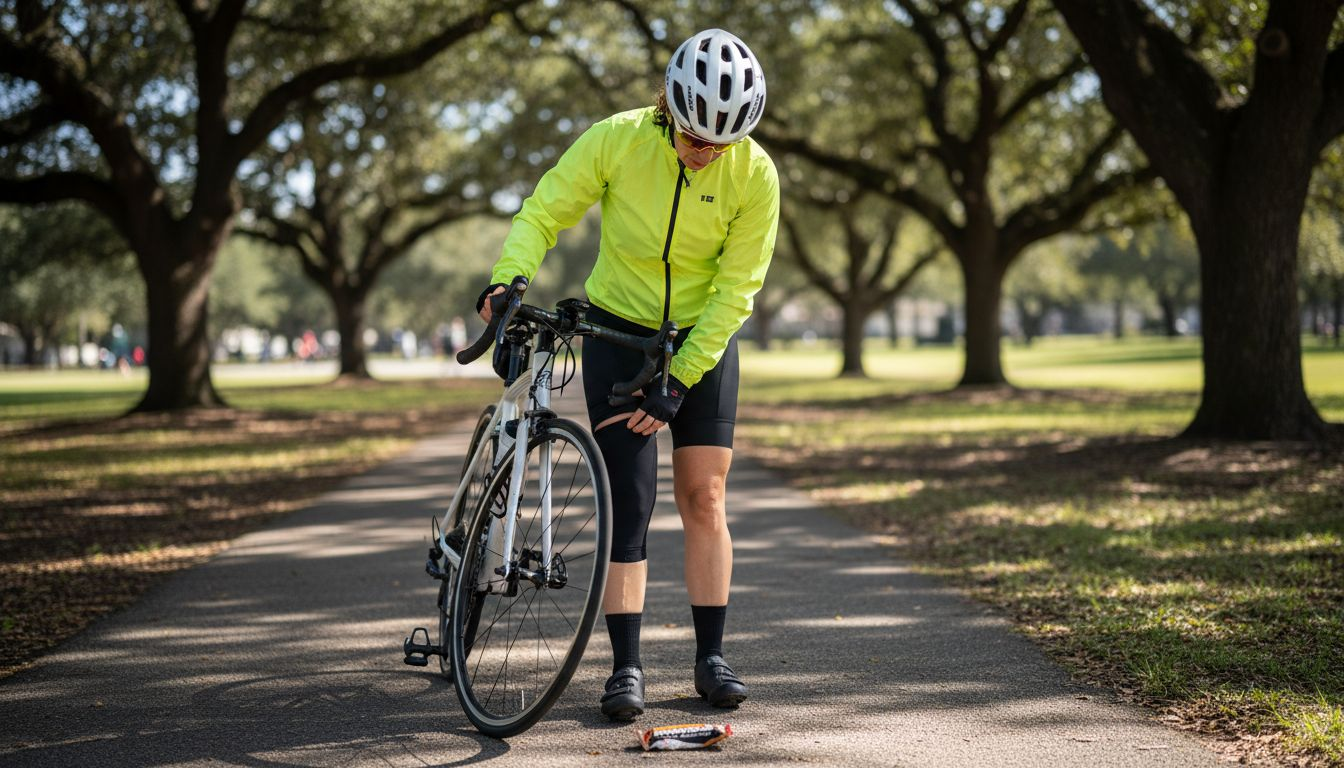
Compression sleeves play a critical role in supporting muscle function by creating strategic external pressure that enhances physiological performance. Muscle fiber contraction mechanics demonstrate how targeted compression can optimize muscular efficiency during intense physical activities.
The primary mechanisms of muscle support through compression include:
- Reducing muscle vibration during movement
- Stabilizing muscle fibers and minimizing oscillations
- Improving blood circulation and metabolic waste removal
- Supporting muscle alignment and reducing energy expenditure
- Enhancing proprioceptive feedback and muscle coordination
Muscle stabilization is a key benefit of compression technology. By providing consistent external pressure, these sleeves help minimize unnecessary muscle movements, which can lead to more precise and efficient muscle contractions. This stabilization is particularly crucial during high-intensity athletic performances where muscle control directly impacts overall performance.
Compression sleeves create a biomechanical environment that supports more efficient muscle function and reduces energy waste during physical exertion.
Biomechanical efficiency is significantly enhanced through compression. Skeletal muscle performance research indicates that compression garments help muscles generate force more effectively by reducing unnecessary muscle oscillations. This means athletes can maintain better form, reduce fatigue, and potentially lower injury risks during demanding physical activities.
Pro tip: Choose compression sleeves with graduated pressure zones that match your specific athletic requirements for optimal muscle support and performance enhancement.
Key Benefits for Runners and Athletes
Runners and athletes demand peak performance and rapid recovery, making thigh compression sleeves a critical tool in their training arsenal. Compression recovery techniques have revolutionized how athletes approach muscle management and performance optimization.
The key benefits for athletes include:
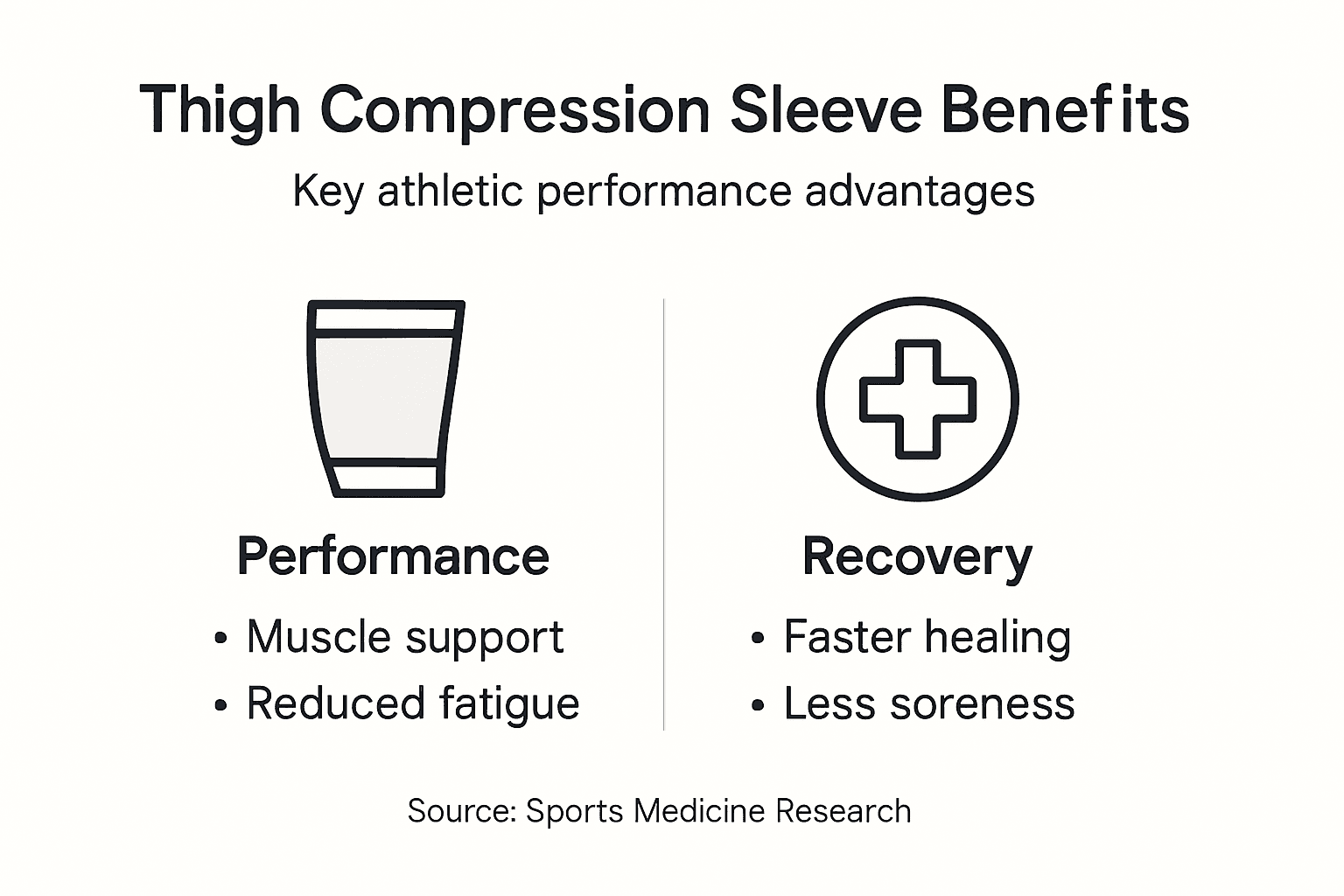
- Reducing delayed onset muscle soreness (DOMS)
- Minimizing muscle fatigue during intense workouts
- Accelerating post-exercise recovery times
- Improving overall muscular stability and alignment
- Enhancing blood circulation and metabolic waste removal
- Supporting joint protection during high-impact activities
Endurance performance receives a significant boost from compression technology. By providing consistent external pressure, these sleeves help athletes maintain muscle efficiency, reduce energy expenditure, and minimize the risk of micro-injuries that can derail training schedules. The targeted compression creates a supportive environment that allows muscles to perform at higher intensities with reduced strain.
Compression sleeves act as a performance multiplier, transforming how athletes manage muscle fatigue and recovery dynamics.
Physiological advantages extend beyond immediate performance benefits. Compression garments help regulate muscle temperature, reduce vibration during movement, and provide proprioceptive feedback that improves overall biomechanical efficiency. Marathon runners and high-intensity athletes particularly benefit from these physiological support mechanisms that help maintain consistent performance throughout extended training sessions and competitions.
Pro tip: Invest in compression sleeves with graduated pressure technology and moisture-wicking materials to maximize athletic performance and recovery potential.
Types and Features of Compression Sleeves
Compression sleeves are sophisticated performance garments designed with intricate engineering to support athletic performance and recovery. Compression device variations demonstrate the complexity and specialized nature of these advanced athletic accessories.
The primary types of compression sleeves include:
- Knee-length sleeves for targeted lower leg support
- Thigh-high sleeves providing comprehensive muscle coverage
- Graduated compression sleeves with variable pressure zones
- Padded sleeves with additional joint and muscle protection
- Moisture-wicking fabric designs for temperature regulation
- Seamless construction for enhanced comfort and reduced friction
Compression levels are critically important in sleeve selection. Athletic compression sleeves are typically measured in millimeters of mercury (mmHg), ranging from light (8-15 mmHg) to moderate (15-20 mmHg) and medical-grade (20-30 mmHg) compression. The specific pressure range determines the sleeve’s effectiveness in supporting muscle performance, improving circulation, and reducing fatigue.
Here’s a quick reference to typical compression levels and their ideal athletic uses:
| Compression Level (mmHg) | Typical Use Case | Target User |
|---|---|---|
| 8-15 | Light support, daily activity | Recreational athletes |
| 15-20 | Moderate support, training and recovery | Regular runners, gym users |
| 20-30 | Medical-grade, post-injury or intense recovery | Competitive athletes, rehab patients |
Advanced compression sleeves are engineered with precision to deliver targeted muscular support and optimize athletic performance.
Material technology plays a significant role in sleeve design. Modern compression sleeves incorporate advanced synthetic fabrics like nylon, spandex, and proprietary blends that offer superior stretch, durability, and moisture management. These materials enable sleeves to provide consistent pressure while maintaining breathability and comfort during intense physical activities.
Pro tip: Select compression sleeves that match your specific athletic needs by considering compression level, intended use, and individual body measurements.
Common Myths and Usage Mistakes
Compression sleeves are often misunderstood, with many athletes and users holding misconceptions about their proper use and effectiveness. Compression sleeve usage mistakes can significantly reduce their potential benefits and potentially cause discomfort.
Common myths about compression sleeves include:
- Believing all compression sleeves are identical
- Assuming more compression is always better
- Thinking sleeves can be worn indefinitely without replacement
- Believing they work instantly without proper application
- Ignoring individual body measurements and fit requirements
- Expecting miraculous performance improvements without proper training
Sizing and application are critical aspects that many users overlook. Wearing compression sleeves that are too tight or too loose can negate their intended benefits and potentially cause adverse effects. Professional athletes understand that precise measurements and proper fitting are essential for maximizing the sleeve’s performance-enhancing capabilities.
Incorrect compression sleeve usage can lead to potential skin irritation, reduced effectiveness, and even potential nerve compression.
Medical considerations play a crucial role in compression sleeve selection. Risks of improper compression extend beyond simple discomfort, potentially causing serious complications for individuals with underlying circulatory conditions. Users must consult healthcare professionals to ensure the compression level and type are appropriate for their specific physiological needs.
Pro tip: Get professionally measured and consult a sports medicine expert to determine the most appropriate compression sleeve for your specific athletic requirements and body type.
Comparing Alternatives: Sleeves vs. Tape and Wraps
Compression therapy options offer athletes and medical professionals multiple strategies for muscle support and injury management. Each method presents unique advantages and limitations that make them suitable for different scenarios and individual needs.
Key comparison points between compression sleeves, wraps, and tape include:
- Ease of application
- Consistency of compression
- Duration of use
- Reusability
- Cost-effectiveness
- Comfort during physical activity
- Adaptability to different body shapes
Performance characteristics vary significantly across these support methods. Compression sleeves provide uniform, graduated pressure with consistent support, making them ideal for athletes seeking continuous muscle stabilization. Wraps, by contrast, require manual application and can shift during intense movement, potentially compromising their effectiveness.
Below is a side-by-side comparison of sleeves, tape, and wraps for athletic support:
| Method | Application Ease | Compression Consistency | Best Use Scenario |
|---|---|---|---|
| Compression Sleeve | Very easy | High | Continuous support, endurance sports |
| Athletic Tape | Requires skill | Variable | Targeted injury support |
| Compression Wrap | Moderate | Moderate | Temporary support, acute treatment |
Selecting the right compression method depends on specific athletic needs, injury type, and individual physiological requirements.
Biomechanical considerations play a crucial role in choosing between these alternatives. Athletic tape offers targeted support for specific injuries but lacks the comprehensive muscle coverage of compression sleeves. Wraps provide adjustable compression but are less convenient for prolonged athletic activities, often becoming loose or requiring frequent readjustment.
Pro tip: Consult a sports medicine professional to determine the most appropriate compression method based on your specific athletic goals and physical condition.
Enhance Your Thigh Muscle Support with Expert Solutions from KneeSolution
Athletes and active individuals striving to reduce muscle fatigue and boost performance understand the critical role of properly designed compression gear. This article highlights the importance of thigh compression sleeves for muscle stabilization, improved circulation, and faster recovery. At KneeSolution, we specialize in professional-grade lower limb support products, including a wide range of thigh compression sleeves that combine comfort with advanced compression technology to help you maintain peak performance and speed up recovery.
Explore our comprehensive selection of Leg Protection Accessories designed to deliver consistent, graduated pressure and moisture-wicking comfort. Don’t wait to experience the benefits of evidence-based compression therapies trusted by athletes worldwide. Visit KneeSolution today to find your perfect fit and take your training and recovery to the next level with professional support tailored just for you.
Frequently Asked Questions
What are thigh compression sleeves and how do they work?
Thigh compression sleeves are elastic garments designed to apply targeted pressure around the thigh muscles, improving blood circulation and supporting muscle performance while reducing fatigue during physical activities.
How do compression sleeves benefit athletes and runners?
Compression sleeves help reduce muscle soreness, minimize fatigue, accelerate recovery times, improve blood circulation, and enhance overall muscular stability and alignment during intense workouts.
What should I consider when choosing thigh compression sleeves?
When selecting compression sleeves, consider factors such as compression level (measured in mmHg), intended use (training or recovery), material technology for moisture-wicking, and the fit to ensure optimal performance benefits.
How do thigh compression sleeves compare to other support methods like tape and wraps?
Compression sleeves provide consistent, graduated pressure for uniform muscle stabilization, while tape offers targeted support for specific injuries and wraps provide adjustable compression but may lack the durability and comfort needed for prolonged use.
